Hindu philosophy offers two broad ways of understanding the divine, one of which is Nirgun, describing the formless, attributeless aspect of ultimate reality. Spiritual travellers exploring different traditions during their Yatra often encounter this concept discussed alongside its counterpart, Sagun worship.
What Does Nirgun Mean?
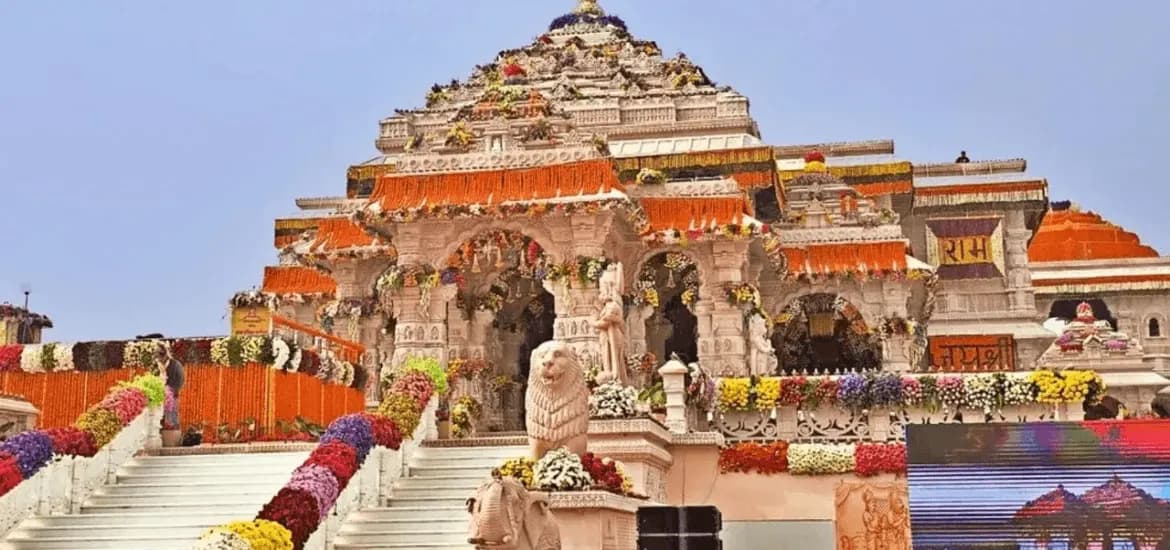
Nirgun refers to a conception of the divine as formless and without specific attributes, contrasted with Sagun, which describes the divine with form and qualities, such as a specific deity's image worshipped at a temple. Teachers at ashrams and ancient texts alike continue to explore Nirgun, reflecting its lasting relevance in Hindu spiritual thought.
Nirgun and Sagun Traditions
Different schools of Hindu thought and various bhakti traditions emphasise either Nirgun or Sagun worship, with some poet-saints specifically known for their Nirgun-focused devotional poetry, describing the divine beyond form or image. Interpretations of Nirgun can differ somewhat between spiritual traditions, though its broad significance is recognised across most schools of Hindu thought.
Nirgun Concepts During Spiritual Travel
Ashrams and spiritual teachers sometimes discuss the distinction between Nirgun and Sagun worship as part of broader philosophical teaching, helping spiritual travellers understand the range of approaches found within Hindu devotional practice. Pilgrims interested in Nirgun often deepen their understanding gradually through ashram visits or discussion with a guru during their Yatra.