Centred on reciting the Chandi Path, both Navchandi Yagya and the smaller-scale Chandi Homa represent significant fire rituals dedicated to goddess worship. Understanding these related ceremonies helps pilgrims appreciate the range of Devi-focused rituals available at temples during their Yatra.
What Are Navchandi Yagya and Chandi Homa?
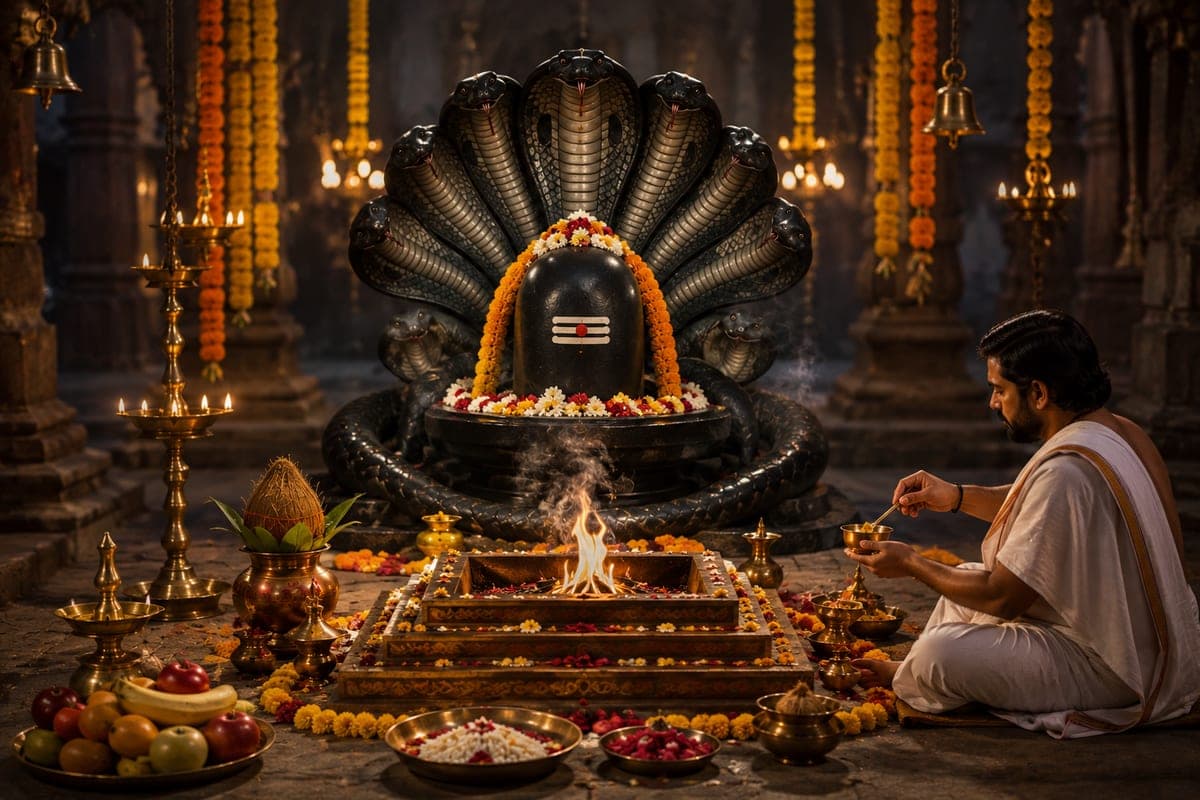
Navchandi Yagya is a large-scale fire ritual involving nine complete recitations of the Chandi Path, a scripture praising the goddess Durga, while Chandi Homa refers to a generally smaller-scale fire ceremony centred on the same text. Many pilgrims specifically arrange Navchandi Yagya during their Yatra to mark a personal intention, vow, or family occasion.
Why These Rituals Are Performed
Both ceremonies are traditionally undertaken to seek the goddess's protection, remove significant obstacles, or address serious personal or family concerns, with the larger Navchandi Yagya reserved for particularly significant occasions. Priests performing Navchandi Yagya are generally willing to briefly explain the ritual to curious pilgrims, particularly at quieter, less crowded temples.
Sponsoring These Rituals During a Yatra
Pilgrims visiting a Devi temple, particularly during Navratri, may sponsor a Chandi Homa or, for a more significant undertaking, a full Navchandi Yagya, generally arranged well in advance given the scale and preparation required. The exact steps involved in Navchandi Yagya can vary somewhat between temples, though the underlying devotional purpose remains broadly consistent across India.