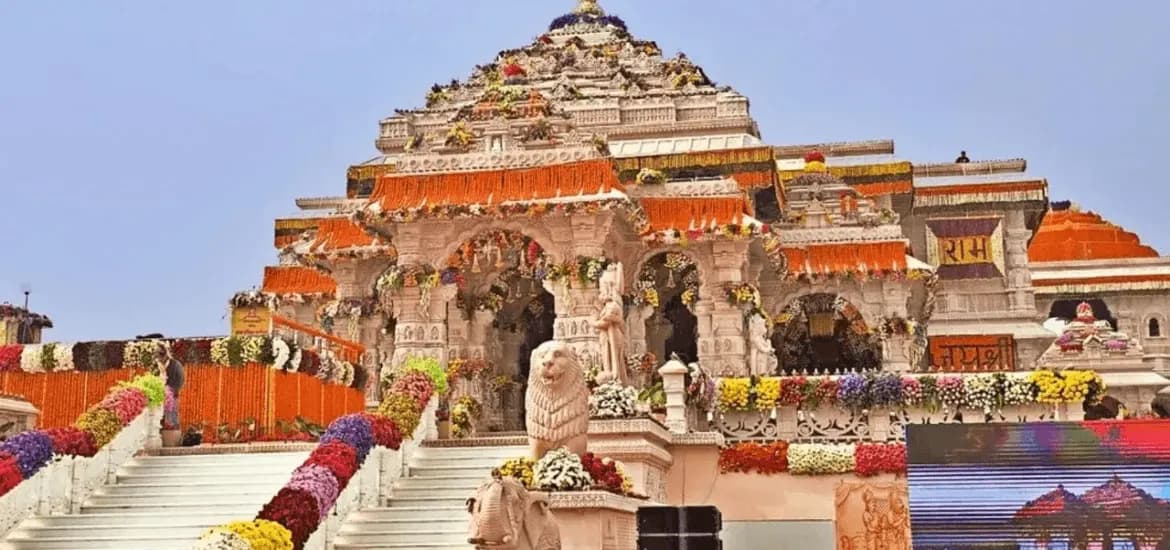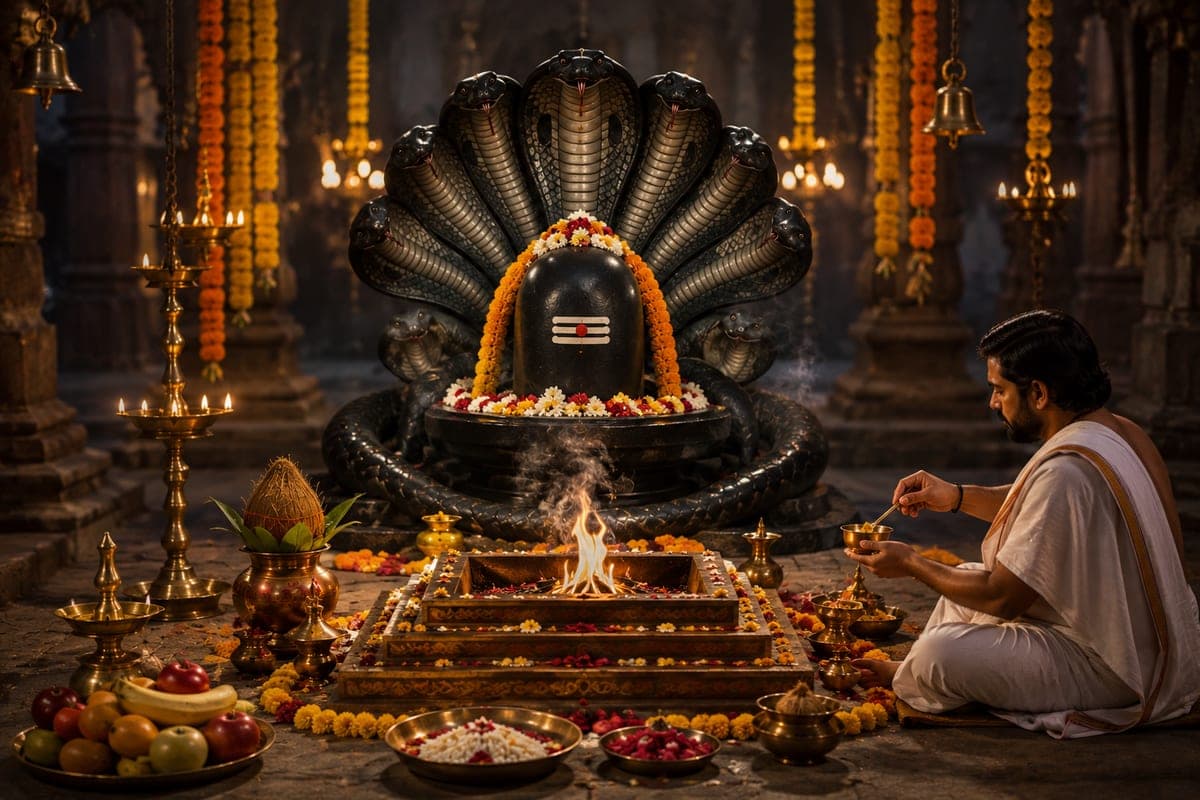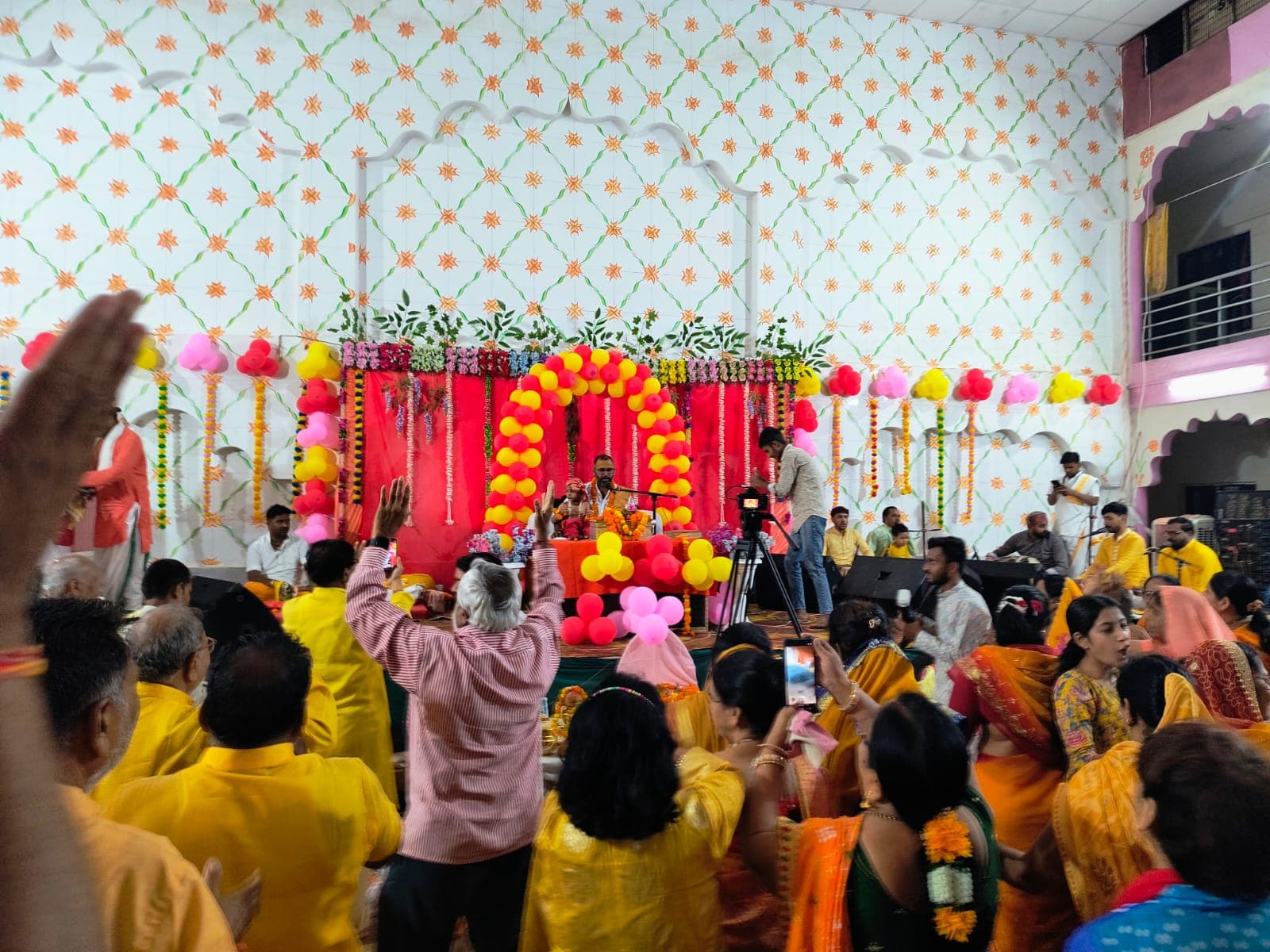
The folded-hands greeting known as Namaskar, or Namaskaram in southern India, is one of the most universally recognised gestures in Hindu culture, used both to greet people and to show reverence before a deity. Pilgrims perform this simple gesture constantly throughout their Yatra.
What Is Namaskar?
Namaskar is a respectful greeting performed by pressing the palms together in front of the chest, often accompanied by a slight bow, used both as a everyday greeting and as a devotional gesture toward a deity, guru, or elder. Many pilgrims specifically arrange Namaskar during their Yatra to mark a personal intention, vow, or family occasion.
Namaskar as a Devotional Gesture
Beyond its use as a greeting, Namaskar is performed before a deity's image as an expression of reverence, commonly seen upon entering a temple or during darshan, symbolising humility and respect toward the divine. Priests performing Namaskar are generally willing to briefly explain the ritual to curious pilgrims, particularly at quieter, less crowded temples.
Namaskar During Temple Visits
Pilgrims typically perform Namaskar upon entering a temple, before the sanctum during darshan, and when greeting priests or gurus encountered along their Yatra, making it one of the most frequently repeated gestures throughout a pilgrimage. The exact steps involved in Namaskar can vary somewhat between temples, though the underlying devotional purpose remains broadly consistent across India.