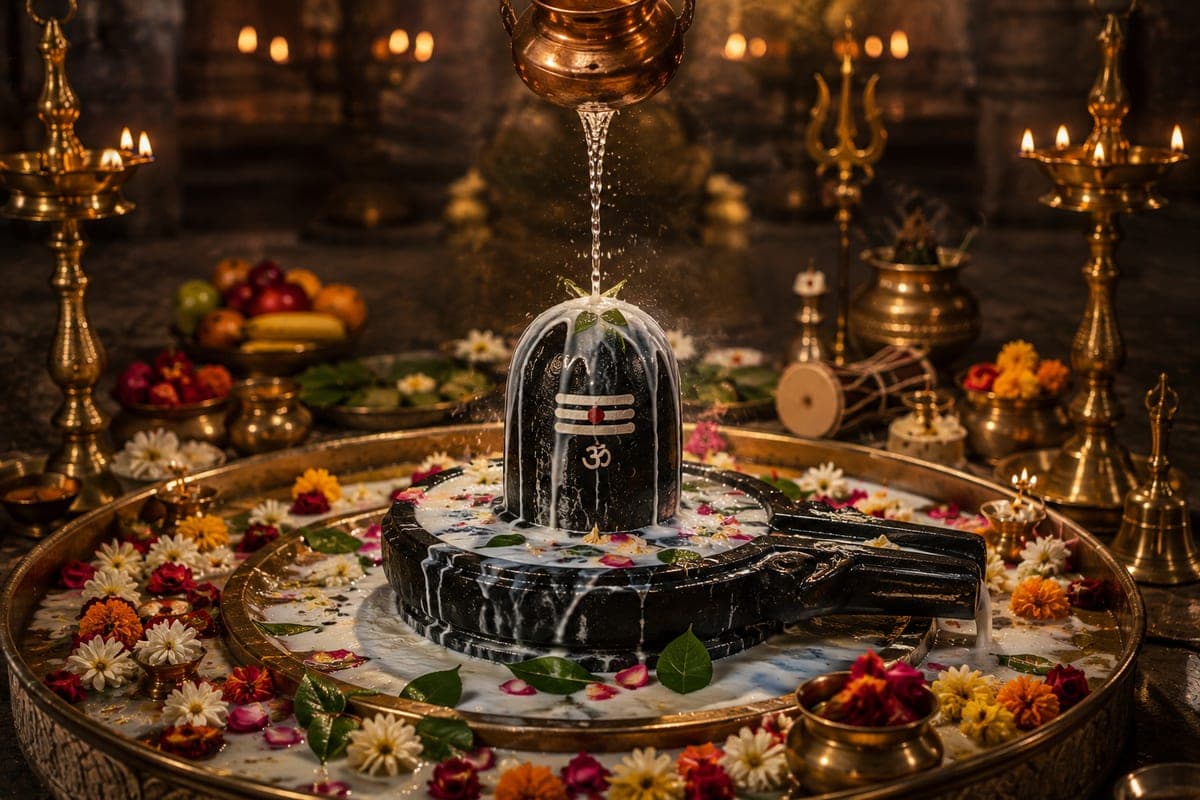
Before the prasad reaches a pilgrim's hands, it typically passes through an earlier ritual stage known as naivedyam. This term refers specifically to the act of offering food to the deity as part of temple worship, a step that transforms ordinary food into a sanctified offering. Understanding naivedyam helps pilgrims appreciate the full ritual process behind the prasad they receive at the end of darshan, adding depth to what might otherwise seem like a simple exchange of sweets or fruit.
What Is Naivedyam?
Naivedyam is the ritual offering of food to a deity, performed by a priest as part of temple worship before the food is distributed to devotees. This can range from simple items like fruit and sweets to elaborate meals prepared specifically for major festivals, sometimes involving dozens of different dishes arranged carefully before the deity's image as part of an especially grand offering. Many families maintain their own personal traditions around Naivedyam, passed down from grandparents and adapted slightly for each generation while keeping the core practice intact.
Naivedyam Versus Prasad
While closely related, naivedyam and prasad refer to different stages of the same ritual process. Naivedyam is the food in its offered state, presented directly to the deity, while prasad is the same food after it has been ritually accepted and is then distributed to devotees as a blessed item. Understanding this distinction helps clarify temple terminology that pilgrims often hear used interchangeably, even though the two terms technically describe different points in the same ritual sequence. Regional variations in how Naivedyam is performed are common across India, reflecting local customs that have developed independently over centuries within different temple traditions.
Naivedyam Practices at Temples
Many temples have specific naivedyam schedules, offering food to the deity at set times such as early morning, midday, and evening, often coinciding with aarti. Some temples are particularly known for their naivedyam offerings, such as the laddu prepared at certain South Indian temples, which later becomes a well-known prasadam distributed to pilgrims travelling from across the country, with the recipe itself sometimes considered a closely guarded temple tradition. Priests performing rituals connected to Naivedyam are generally happy to briefly explain the steps involved to curious pilgrims, particularly at quieter temples with fewer visitors during the day.