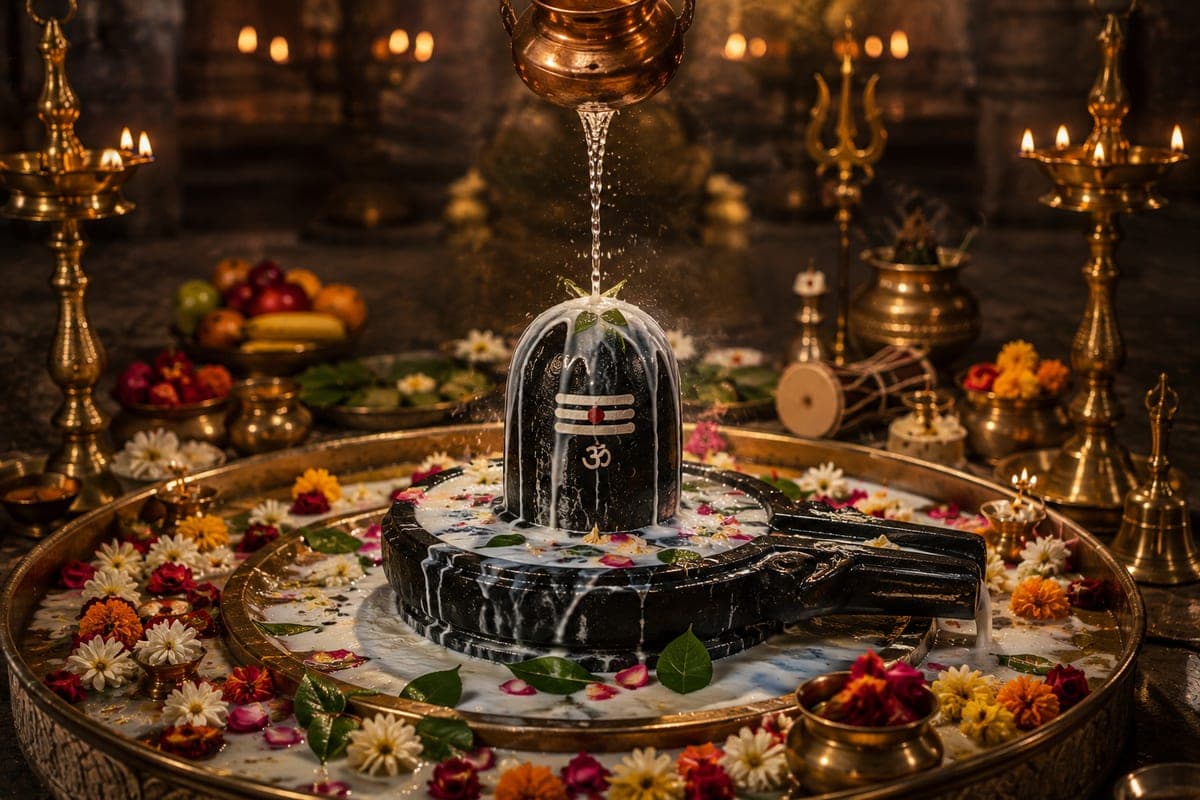
The practice of offering naivedya, food presented to a deity, forms a routine but significant part of daily temple worship across India. Understanding this term, closely related to naivedyam, helps pilgrims connect the food-based rituals they witness to the prasad eventually received.
What Is Naivedya?
Naivedya refers to food ritually offered to a deity as part of temple worship, presented with the belief that the deity symbolically accepts its essence before the food is distributed to devotees as prasad. The exact steps involved in Naivedya can vary somewhat between temples, though the underlying devotional purpose remains broadly consistent across India.
Naivedya as Part of Daily Worship
Most temples offer naivedya to their main deity multiple times throughout the day, following a schedule that shapes the temple's broader daily rhythm and determines specific windows for darshan. Many pilgrims specifically arrange Naivedya during their Yatra to mark a personal intention, vow, or family occasion.
Naivedya and the Pilgrim Experience
Pilgrims witnessing or timing their visit around a naivedya offering often receive the resulting prasad shortly afterward, connecting this daily ritual directly to a tangible blessing carried away from their temple visit. Priests performing Naivedya are generally willing to briefly explain the ritual to curious pilgrims, particularly at quieter, less crowded temples.