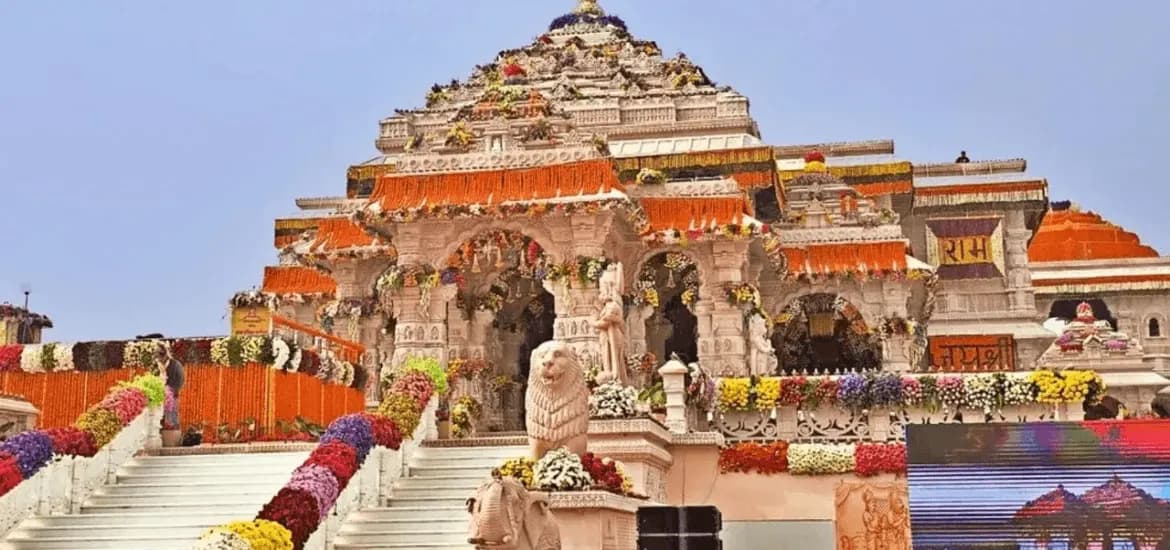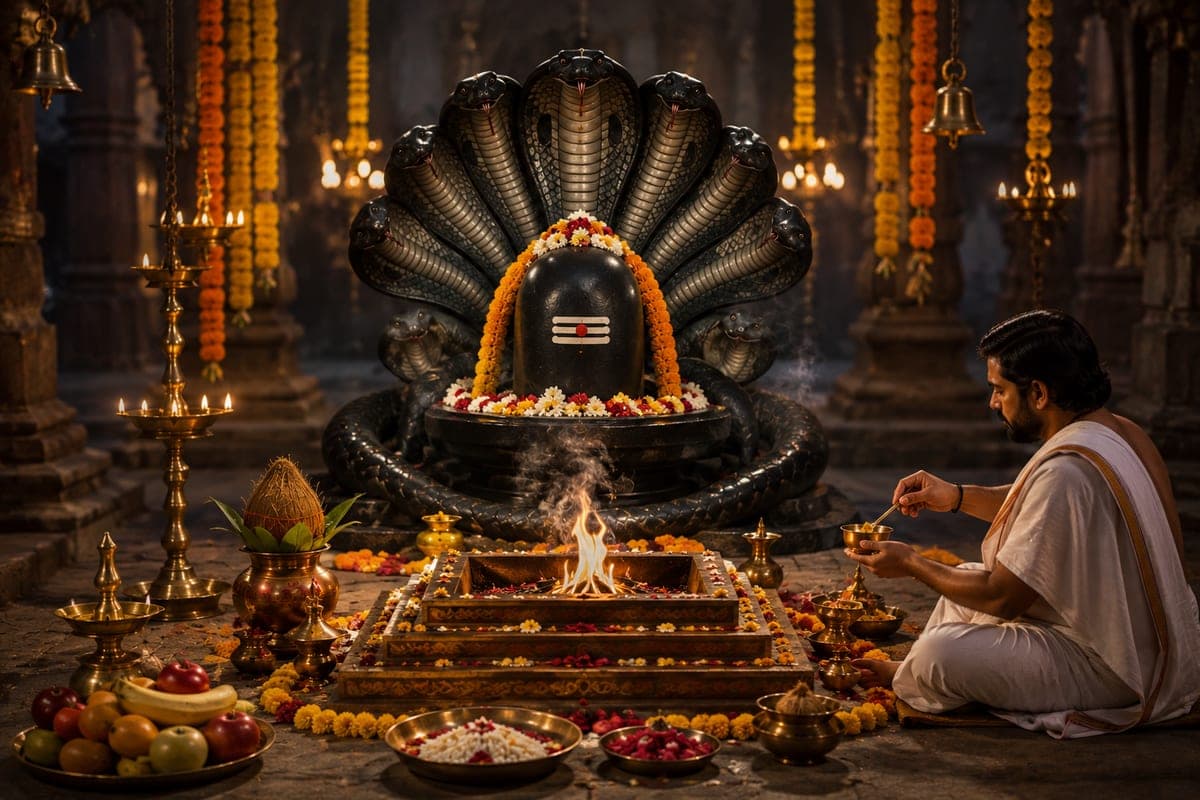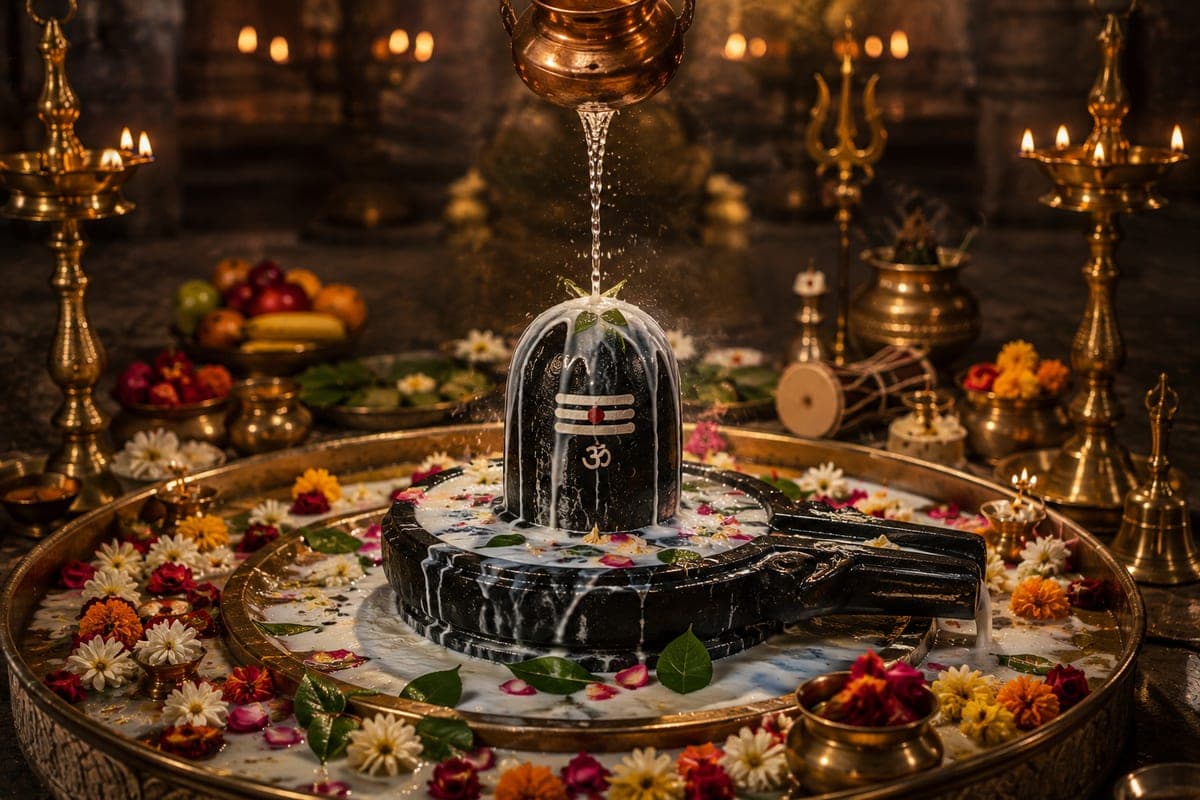
The Sanskrit term murti refers specifically to a consecrated deity image, the central object of worship pilgrims travel to see during darshan. Understanding this term helps clarify the reverence shown toward temple idols throughout a Yatra.
What Is a Murti?
A murti is a consecrated statue or image of a deity, believed to embody the deity's presence following specific installation rituals. The term is used interchangeably with idol, though murti carries a more precise religious connotation within Hindu tradition. Regional practices around Murti vary somewhat across India, though its core devotional purpose remains widely recognised among Hindu pilgrims.
How a Murti Becomes Sacred
A murti becomes an object of worship only after undergoing pran pratishtha, a consecration ceremony performed by trained priests believed to invite the deity's presence into the image. Before this ritual, the same statue is not considered sacred. Vendors near many temples sell Murti to pilgrims, and priests can usually explain the correct way to use it during a visit.
The Murti and the Pilgrim Experience
Pilgrims travel specifically to view a temple's main murti during darshan, considering this the spiritual highlight of their Yatra. The murti's adornment, the rituals performed around it, and its historical significance all shape the overall pilgrimage experience. Many pilgrims keep a small amount of Murti from a significant Yatra as a lasting reminder of that particular temple visit.