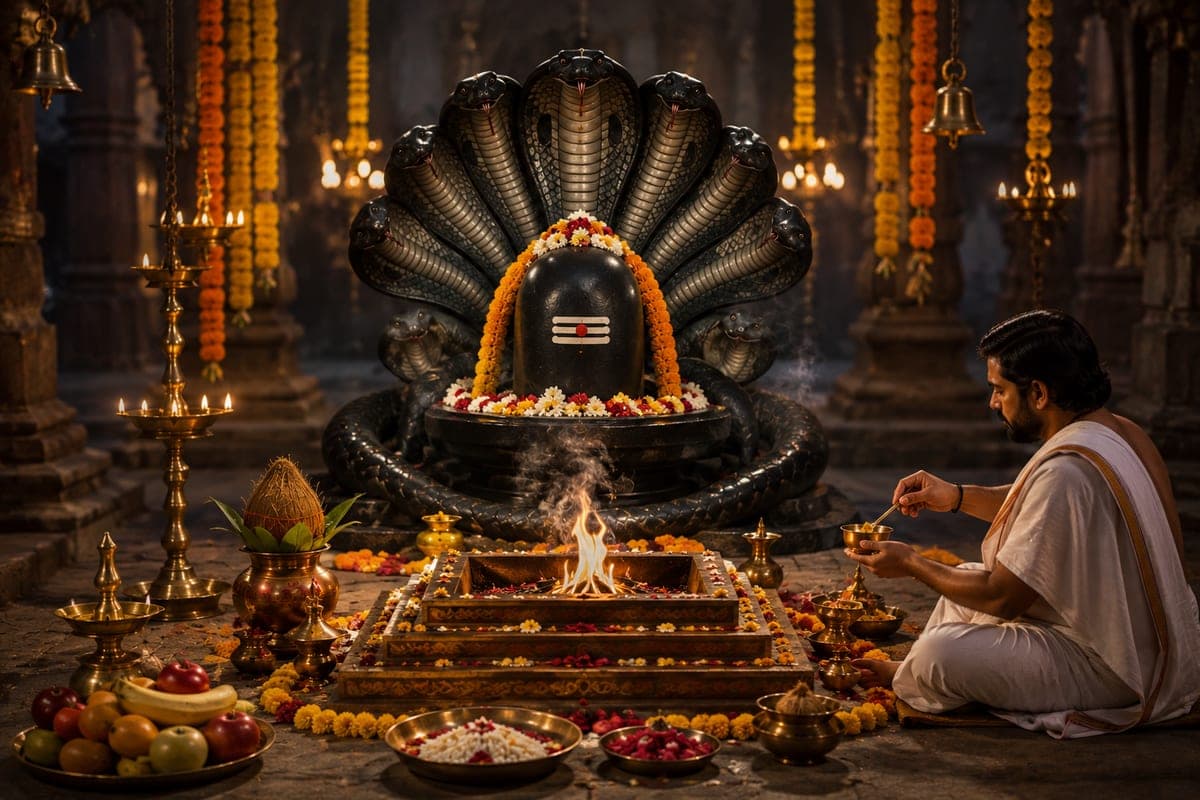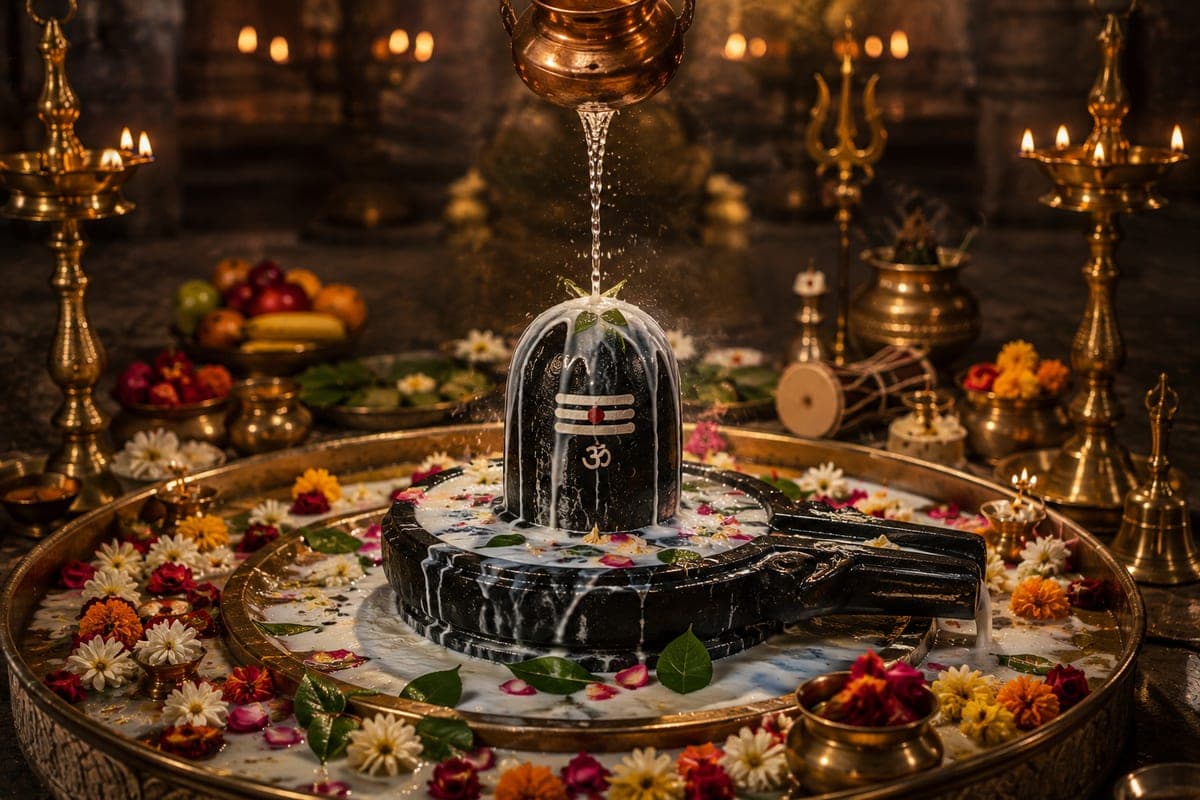
Bright orange and yellow marigold garlands are among the most familiar sights at any Hindu temple, offered by pilgrims in vast quantities throughout the day. Understanding why this particular flower is so widely used adds context to a simple yet ubiquitous part of temple worship.
Why Marigold Is Widely Used in Worship
Marigold flowers are valued for their bright colour, symbolic association with auspiciousness, relative affordability, and ability to stay fresh longer than many other flowers, making them a practical and popular choice for temple offerings. Regional practices around Marigold Garland vary somewhat across India, though its core devotional purpose remains widely recognised among Hindu pilgrims.
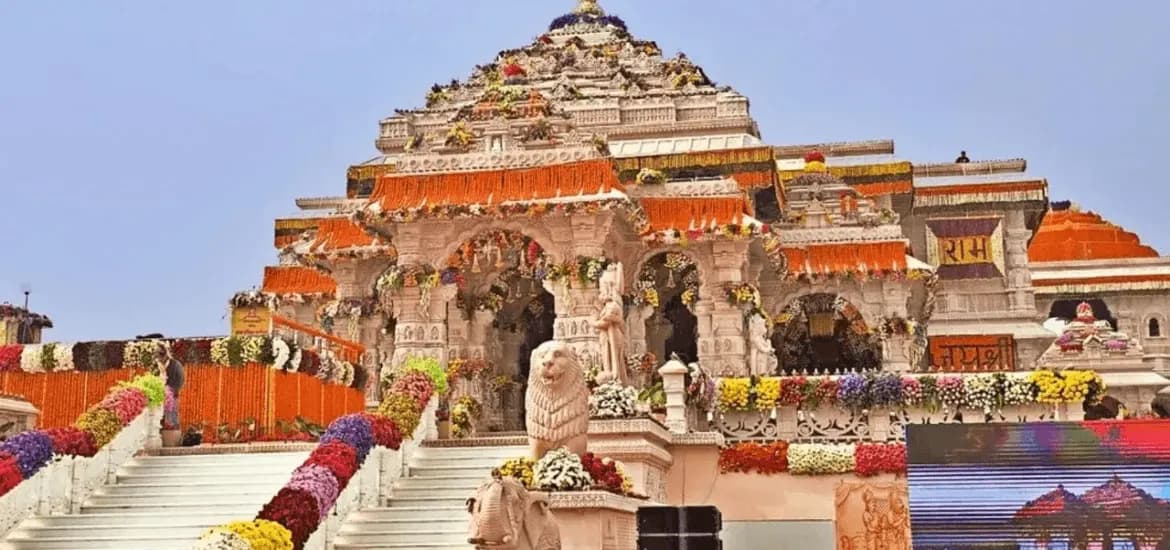
Marigold Garlands in Temple Decoration
Beyond individual offerings, marigold garlands are used extensively to decorate temple entrances, idols, and festival displays, contributing significantly to the vibrant visual atmosphere many pilgrims associate with Indian temple culture. Many pilgrims keep a small amount of Marigold Garland from a significant Yatra as a lasting reminder of that particular temple visit.
Offering a Marigold Garland During a Yatra
Pilgrims can typically purchase a marigold garland from vendors immediately outside most temples, making it one of the most accessible and commonly chosen offerings for pilgrims wishing to personally present something to the deity. Vendors near many temples sell Marigold Garland to pilgrims, and priests can usually explain the correct way to use it during a visit.