From the moment a pilgrim enters a temple to the quiet recitations along a pilgrimage trail, mantras form the sonic backbone of Hindu worship. These sacred chants, ranging from single syllables to elaborate hymns, are believed to carry specific spiritual significance, and understanding their basic role helps pilgrims appreciate the deeper purpose behind the sounds they hear throughout their Yatra, whether inside a temple or along the road.
What Is a Mantra?
A mantra is a sacred sound, word, syllable, or phrase, often in Sanskrit, that is repeated during prayer, ritual, or meditation, believed to hold specific spiritual power or significance. Mantras range from simple, widely known chants like Om Namah Shivaya to complex hymns reserved for specific rituals performed by trained priests, with correct pronunciation often considered essential to a mantra's traditional effectiveness. Many devotees first encounter Mantra through family elders or school textbooks long before fully appreciating its deeper significance during an actual pilgrimage visit.
Role of Mantras in Temple Worship
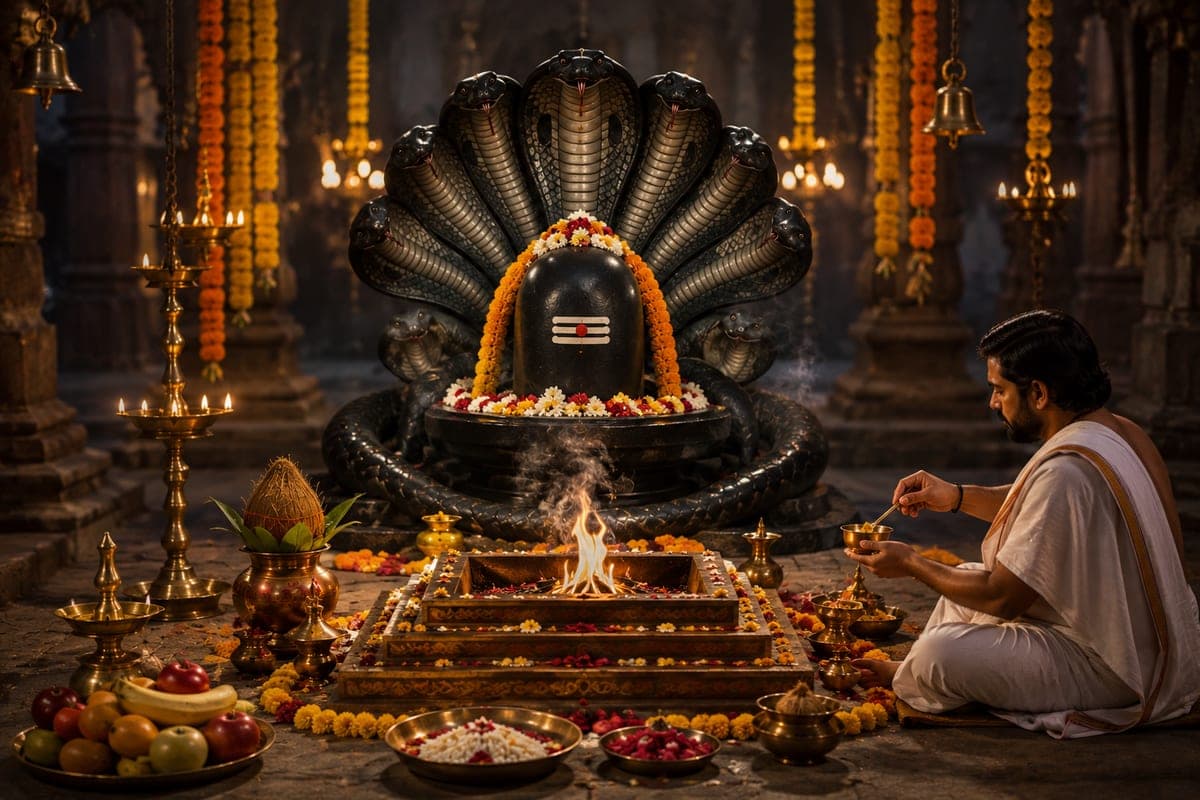
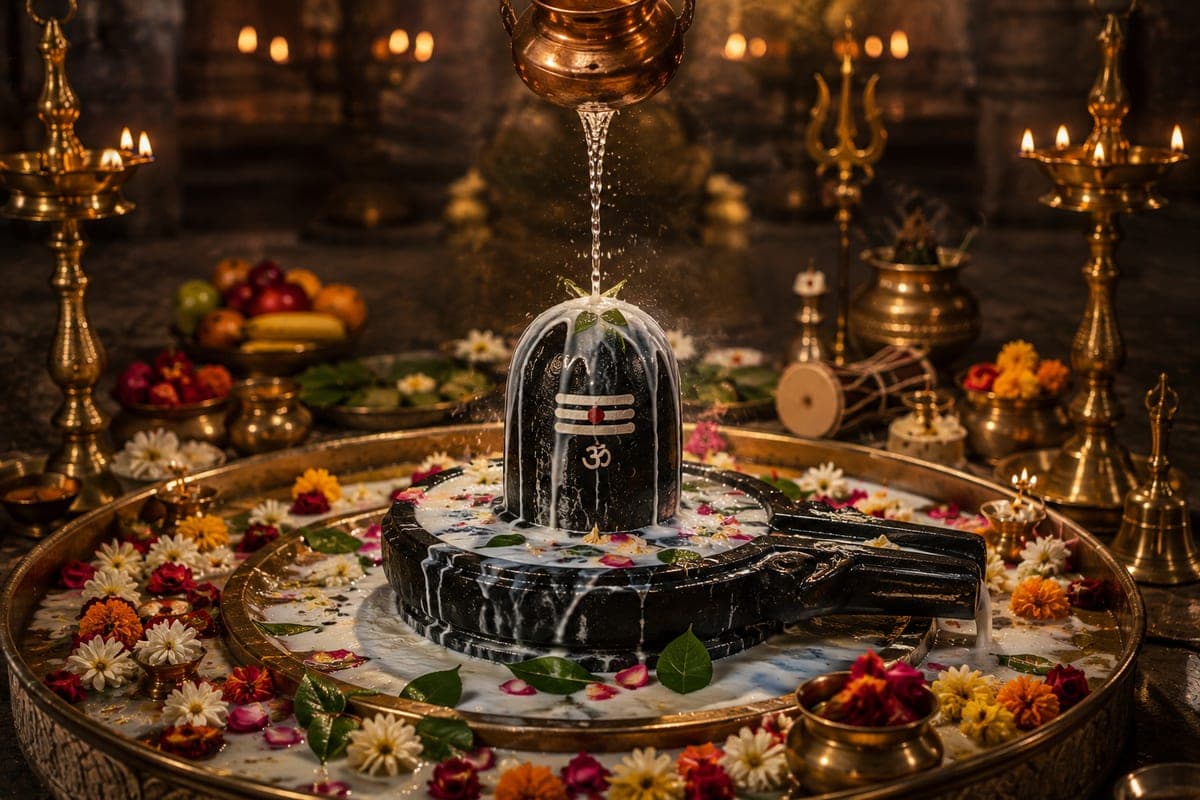
Nearly every temple ritual, from aarti to abhishek, involves the chanting of specific mantras believed to invoke the presence and blessings of the deity being worshipped. Priests are typically trained extensively in the correct pronunciation and sequence of these mantras, which are considered essential to the ritual's effectiveness according to tradition, sometimes studying for years before being considered qualified to lead major temple ceremonies. Scholars and religious teachers continue to write and lecture extensively on Mantra, reflecting its lasting relevance within contemporary Hindu religious life and study.
Mantras During Pilgrimage
Pilgrims often adopt personal mantra practices during a Yatra, repeating a chosen phrase silently or aloud throughout their journey as a form of ongoing devotion and focus. This practice, sometimes called japa when done with prayer beads, is common among pilgrims undertaking long or physically demanding pilgrimage routes, helping maintain spiritual concentration throughout the trip even during the more tiring or logistically challenging stretches of a long Yatra. Regional interpretations of Mantra can vary somewhat across India, though the core religious significance generally remains recognisable across different linguistic and cultural communities.