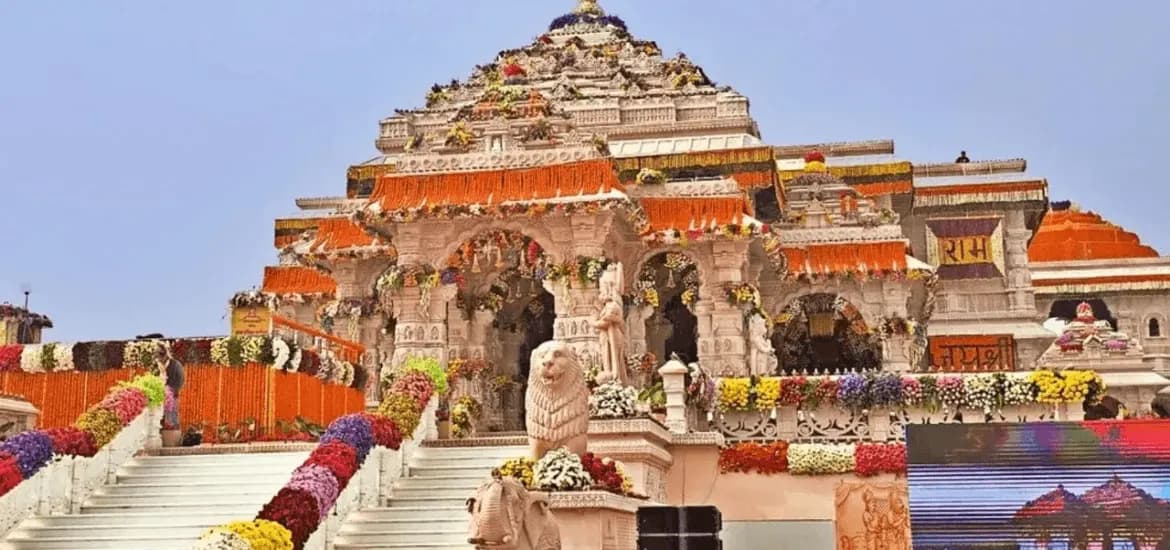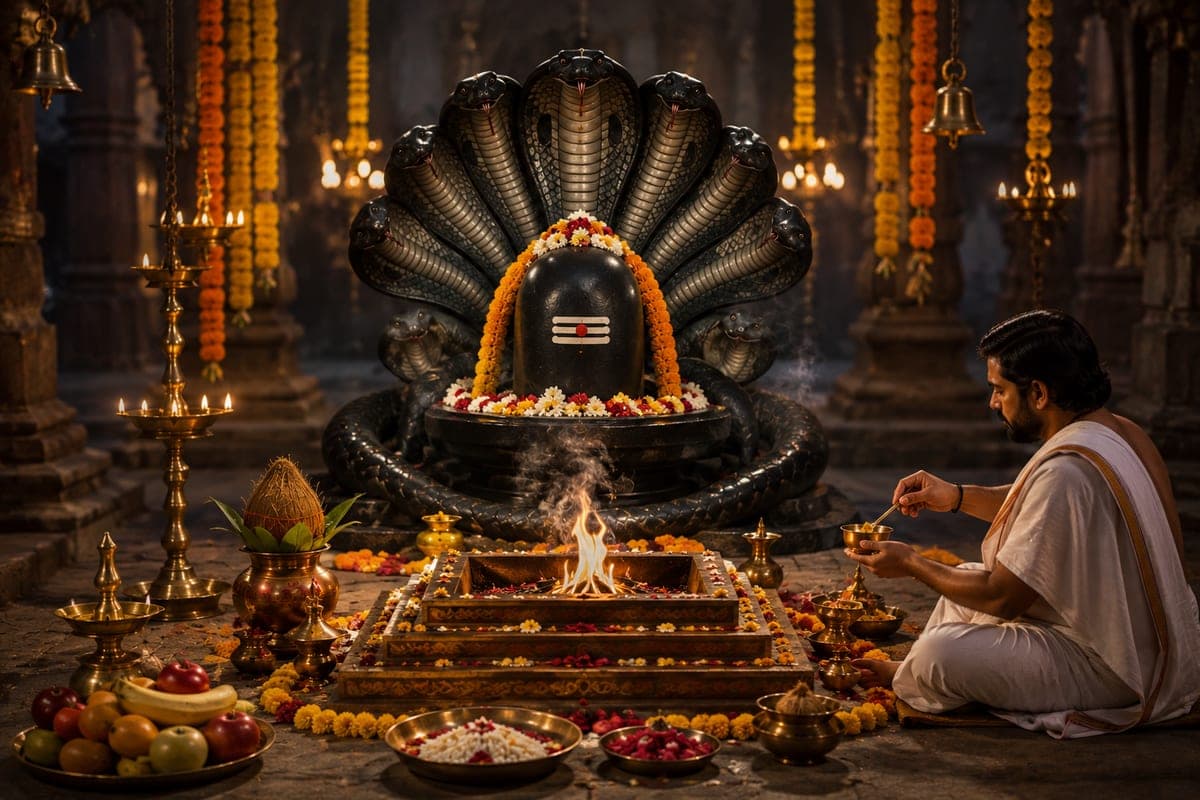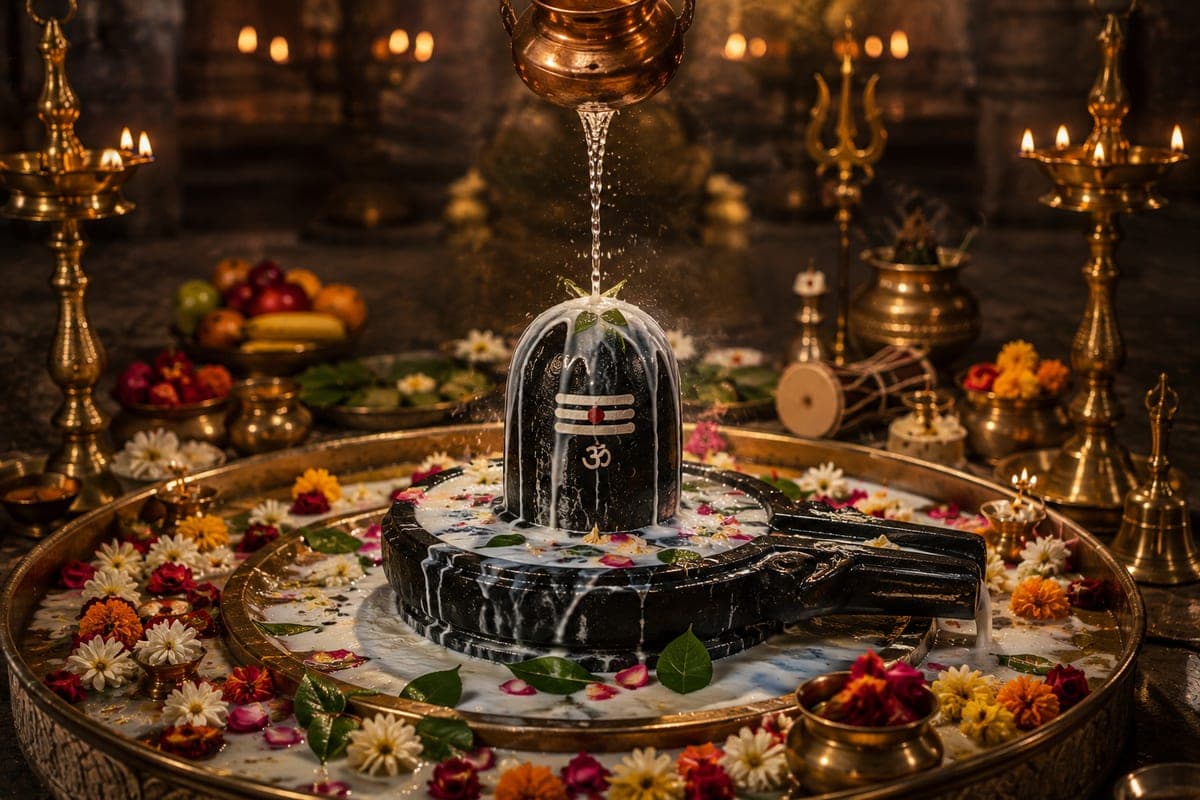
Between the temple entrance and the inner sanctum lies the mandapa, a pillared hall serving both practical and ceremonial purposes. Understanding this architectural element helps pilgrims appreciate the deliberate sequence of spaces they move through on the way to darshan.
What Is a Mandapa?
A mandapa is a pillared hall within a Hindu temple complex, typically open or semi-open, used for gatherings, seating during ceremonies, and as a transitional space between the outer courtyard and the inner sanctum. Architectural historians and temple guides often point to Mandapa as an example of the careful planning behind traditional Hindu temple design.
Types of Mandapas in Temple Architecture
Larger temples often include multiple mandapas serving different purposes, such as a nata mandapa for dance performances or a kalyana mandapam for ceremonial marriages, each contributing to the temple's overall layout and function. Regional variations in Mandapa are common across India, reflecting centuries of distinct local building traditions and craftsmanship.
The Mandapa and the Pilgrim's Journey
Pilgrims typically pass through one or more mandapas while moving toward the garbhagriha, often pausing here during festivals or while waiting in queue, making this hall an important part of the overall temple experience beyond the final darshan moment. Pilgrims interested in temple architecture sometimes specifically seek out well-preserved examples connected to Mandapa during their Yatra.