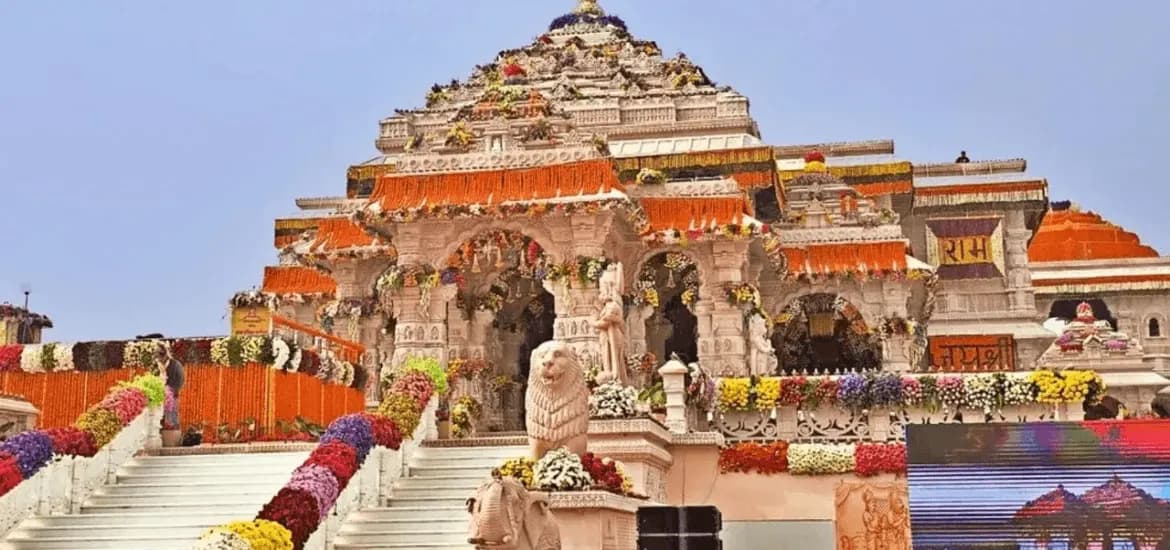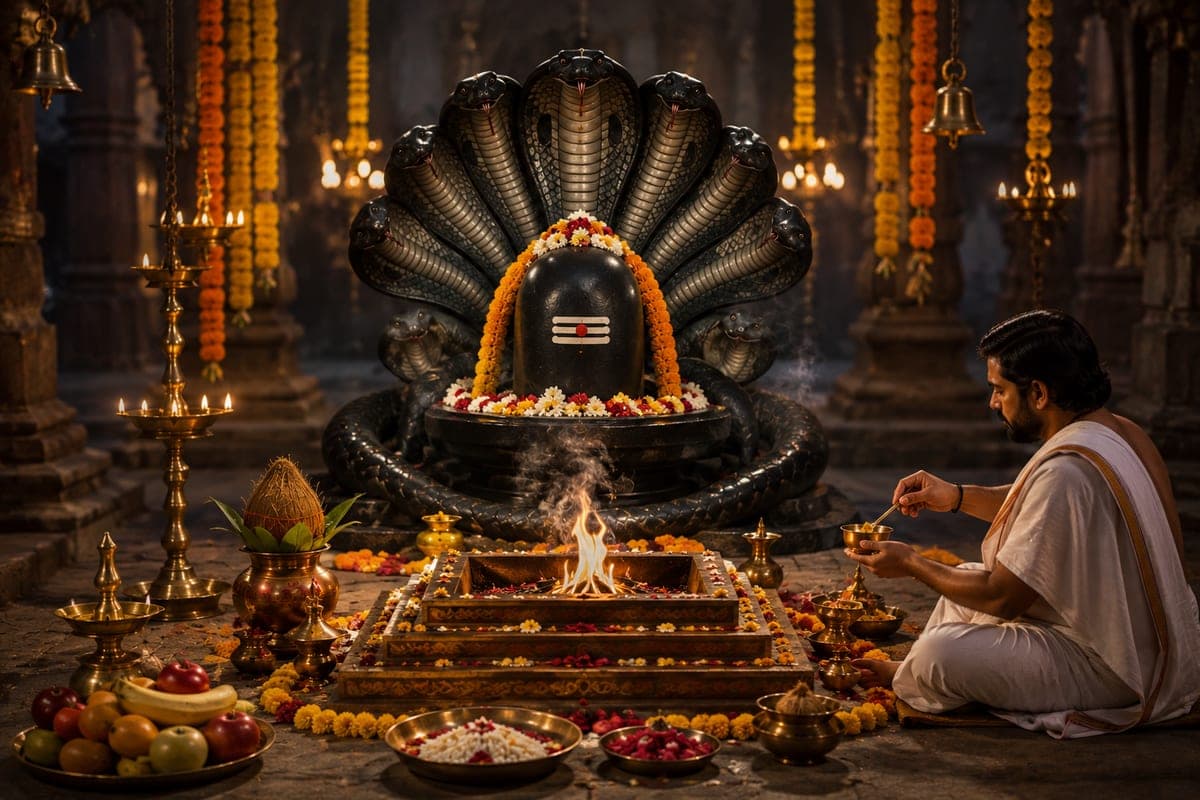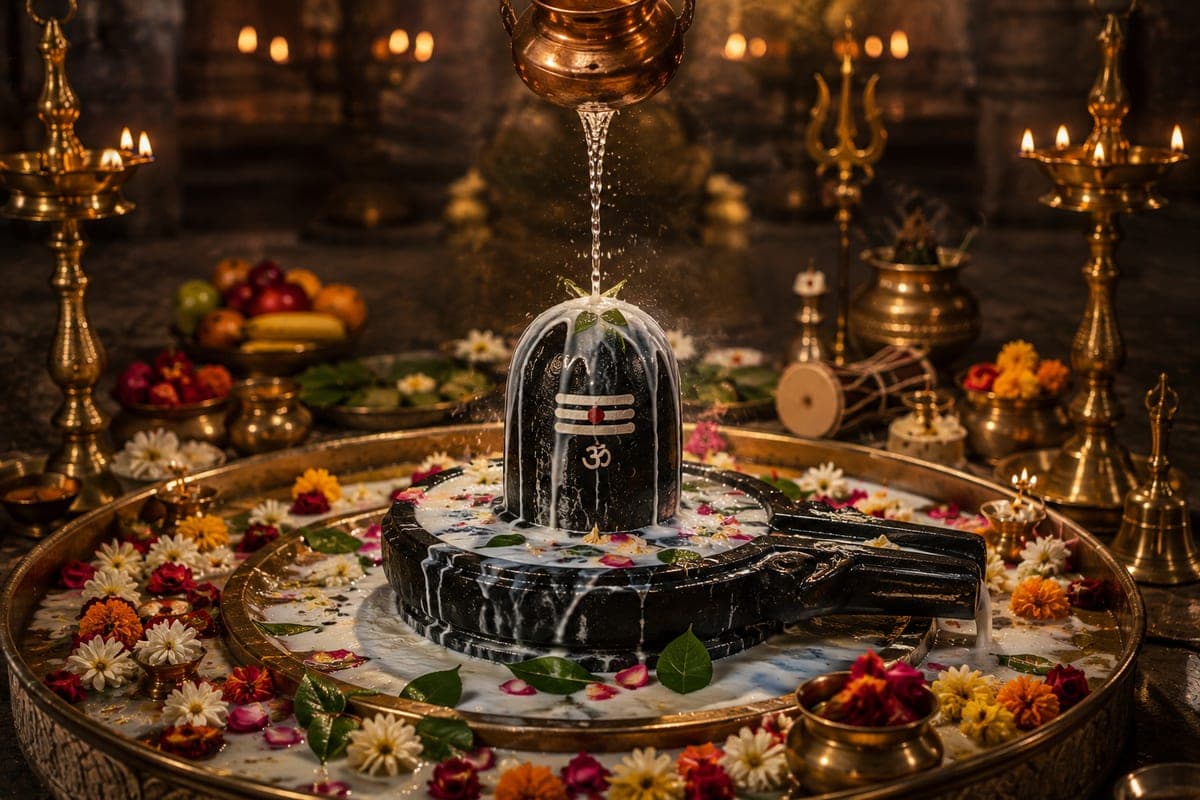
Overseeing many of India's significant temples and monastic institutions is a Mahant, combining administrative responsibility with spiritual leadership. Understanding this role helps pilgrims appreciate the leadership structure behind the temples and akharas they visit during their Yatra.
What Is a Mahant?
A Mahant is the head of a temple, monastery, or religious institution, responsible for overseeing both its administrative functions, such as finances and property, and its spiritual and religious activities. Devotees often seek guidance connected to Mahant at specific points during their Yatra, particularly before major rituals or life decisions.
Role of a Mahant in Temple Administration
A Mahant typically manages the daily operations of the institution under their care, including managing priests, overseeing rituals, and representing the temple or monastery in broader religious and community matters. Many temples maintain their own local tradition regarding Mahant, shaped by regional custom as much as broader scriptural reference.
Encountering a Mahant During a Yatra
Pilgrims visiting significant temples or akharas, particularly during major gatherings such as the Kumbh Mela, may encounter the presiding Mahant, whose leadership and reputation can significantly shape the character of that particular institution. Pilgrims unfamiliar with the specific role of Mahant are generally welcome to ask temple staff for a brief, respectful explanation.