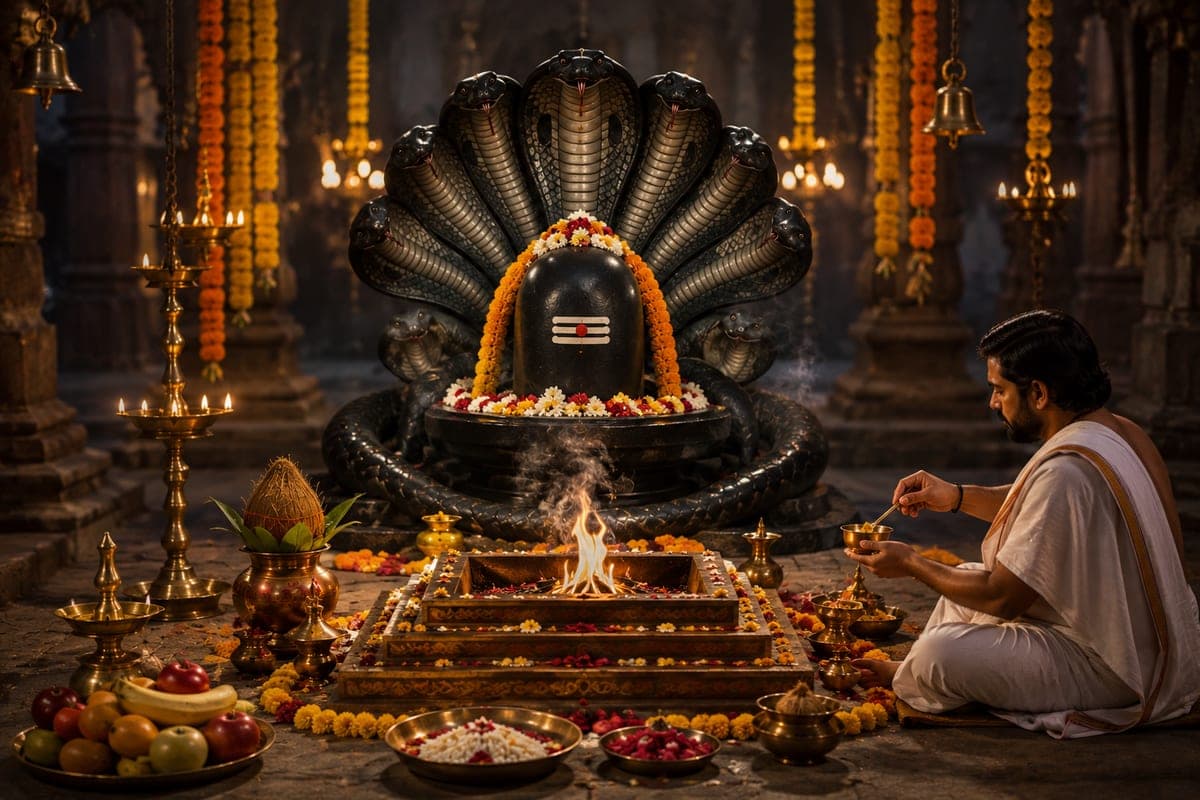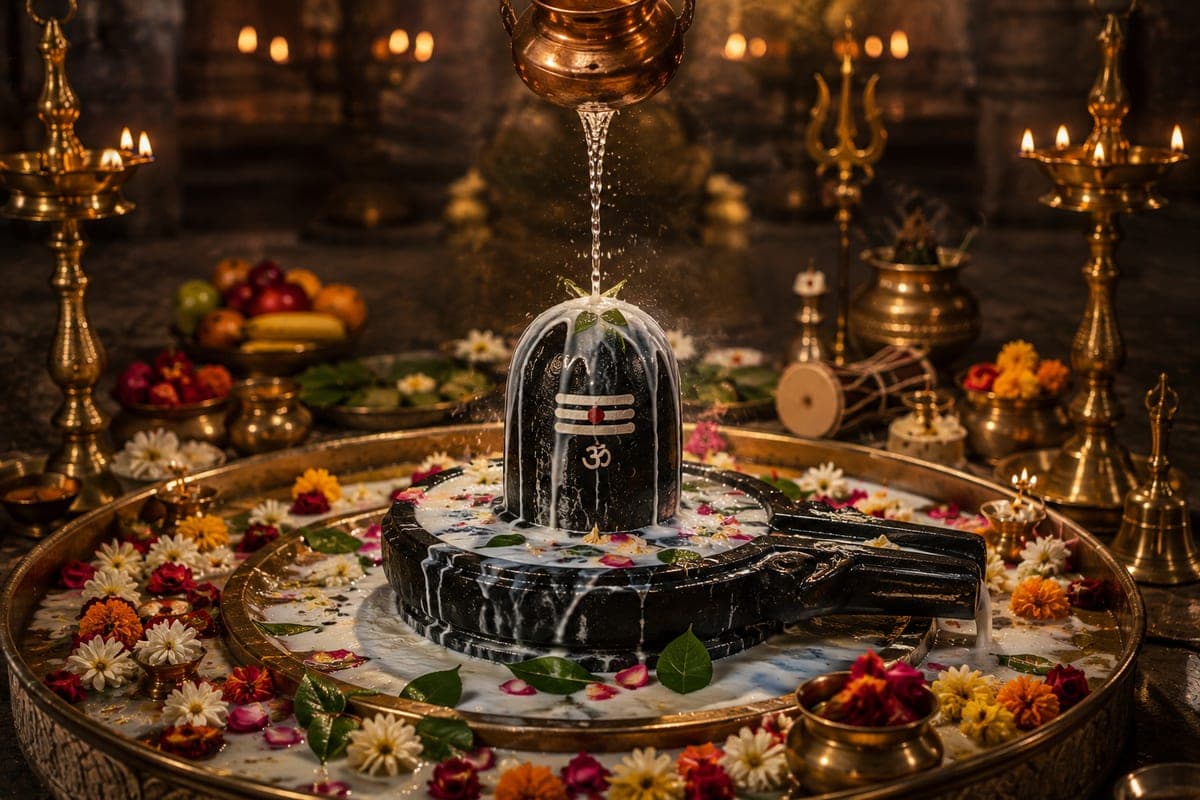
Among the many mantras associated with Lord Shiva, the Mahamrityunjaya Mantra holds a special place for its association with protection and healing. Pilgrims often turn to this Vedic hymn during difficult times or challenging journeys, reciting it at Shiva temples or during specific rituals performed as part of a Yatra focused on wellbeing and safety, particularly when a family member's health is a central concern behind the pilgrimage.
What Is the Mahamrityunjaya Mantra?
The Mahamrityunjaya Mantra is a Vedic hymn found in the Rigveda, dedicated to Lord Shiva and traditionally associated with themes of healing, protection, and liberation from the fear of death. Its name translates roughly to 'the great mantra for victory over death', reflecting its deep association with overcoming hardship and danger, and it is one of the most solemn and respected mantras in the Shaivite tradition. Regional interpretations of Mahamrityunjaya Mantra can vary somewhat across India, though the core religious significance generally remains recognisable across different linguistic and cultural communities.
Significance for Health and Protection
This mantra is traditionally recited during times of illness, difficulty, or before undertaking risky journeys, with many devotees believing it offers spiritual protection and strength. It is often chanted repeatedly, sometimes as part of a structured practice involving a fixed number of recitations over several days, with some devotees committing to reciting it a specific number of times, such as 108, as an act of dedicated prayer. Scholars and religious teachers continue to write and lecture extensively on Mahamrityunjaya Mantra, reflecting its lasting relevance within contemporary Hindu religious life and study.
Mahamrityunjaya Mantra During Pilgrimage
Some pilgrims specifically recite the Mahamrityunjaya Mantra before undertaking physically demanding Yatras, such as high-altitude treks to Kedarnath or Amarnath, seeking protection during the journey. Certain Shiva temples also offer special rituals centred on this mantra, which pilgrims can sponsor for personal or family wellbeing, particularly when travelling specifically to pray for a loved one's recovery from illness. Many devotees first encounter Mahamrityunjaya Mantra through family elders or school textbooks long before fully appreciating its deeper significance during an actual pilgrimage visit.