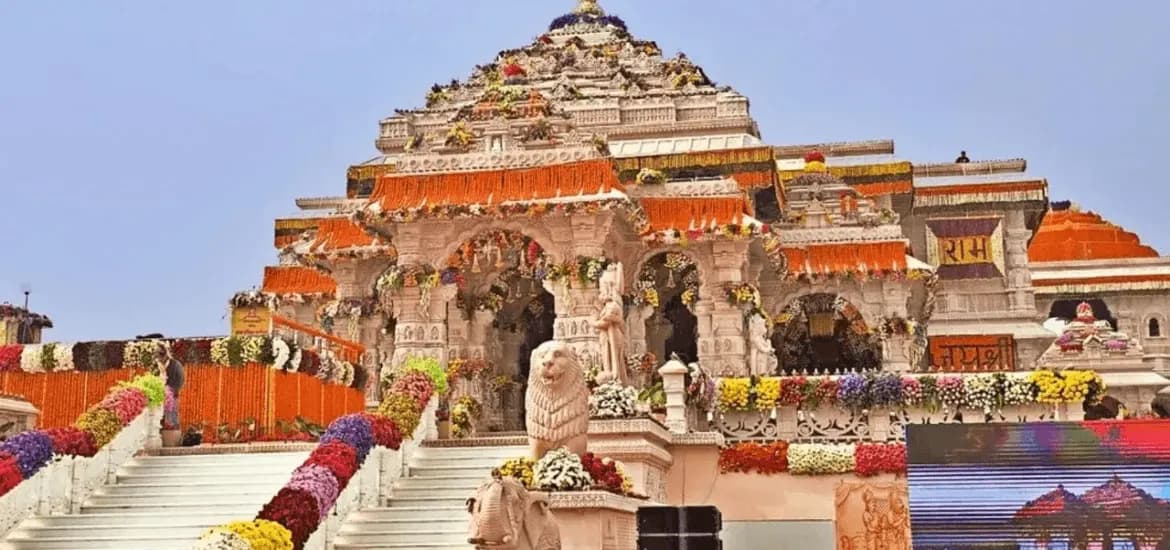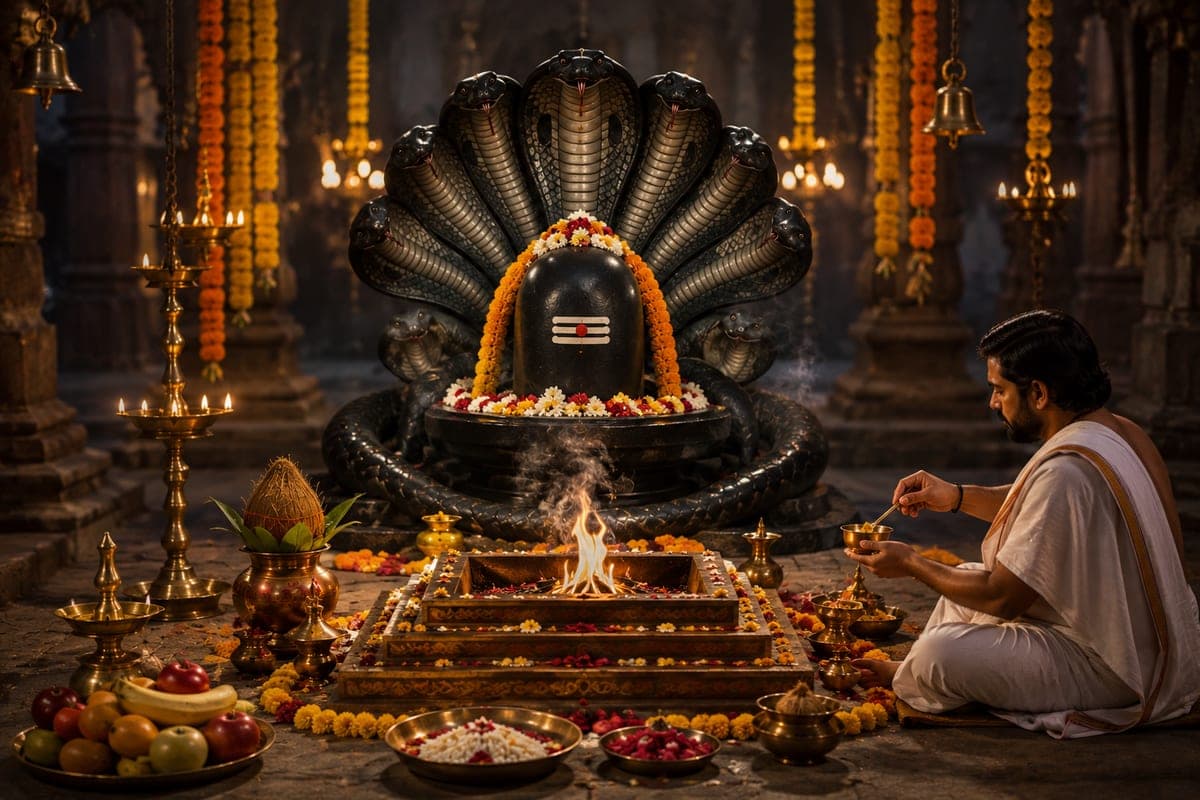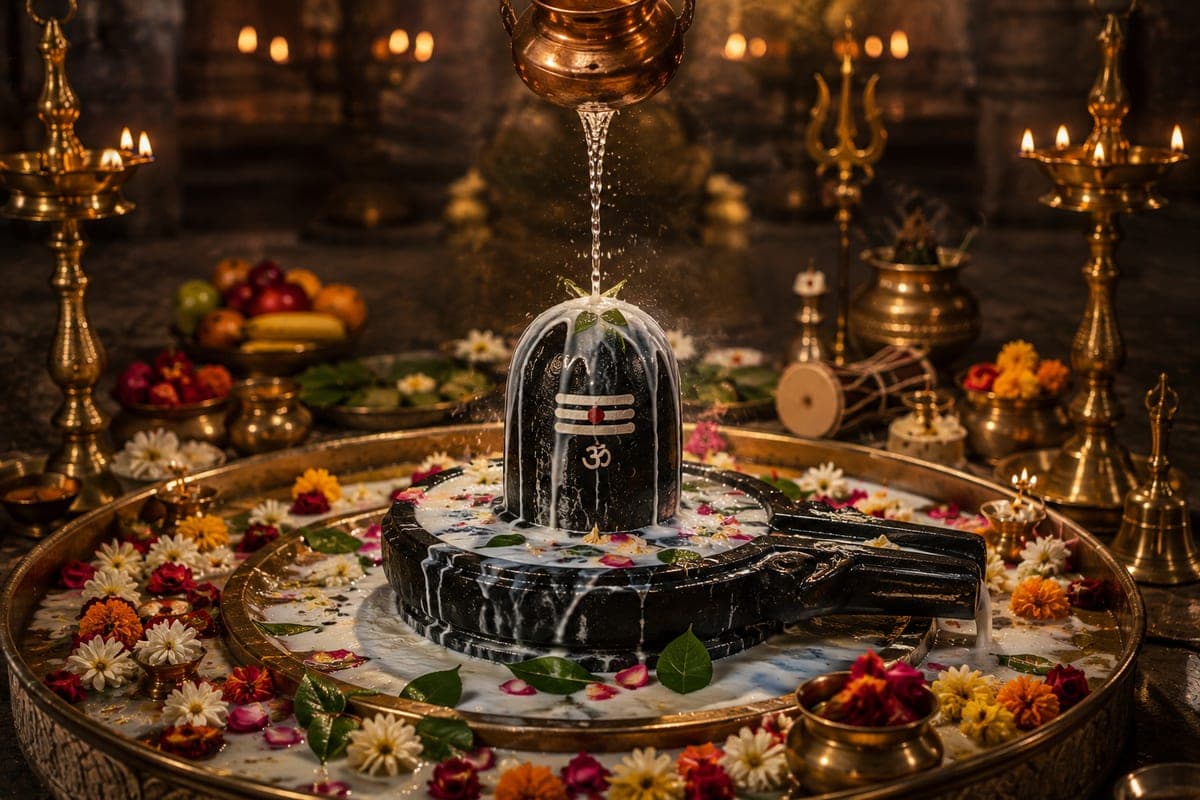
Some aartis are performed on a considerably grander scale than the daily temple ritual, known as Maha Aarti, involving multiple priests and an extended, elaborate ceremony. Pilgrims visiting sites particularly known for this larger version often treat witnessing it as a highlight of their Yatra.
What Is Maha Aarti?
Maha Aarti refers to a grand-scale version of the standard aarti ritual, typically involving multiple priests performing in unison, larger ceremonial lamps, and an extended sequence compared to a routine daily temple aarti. The exact steps involved in Maha Aarti can vary somewhat between temples, though the underlying devotional purpose remains broadly consistent across India.
Where Maha Aarti Is Commonly Performed
This grander ceremony is particularly associated with riverside ghats such as those in Varanasi and Haridwar, where synchronised evening Maha Aarti ceremonies draw significant crowds of pilgrims and visitors each day. Priests performing Maha Aarti are generally willing to briefly explain the ritual to curious pilgrims, particularly at quieter, less crowded temples.
Experiencing Maha Aarti During a Yatra
Pilgrims planning to witness a Maha Aarti are generally advised to arrive well in advance to secure a good viewing position, as the scale and popularity of this ceremony often attracts considerably larger crowds than a standard temple aarti. Many pilgrims specifically arrange Maha Aarti during their Yatra to mark a personal intention, vow, or family occasion.