Prosperity and wellbeing are closely tied to the worship of Goddess Lakshmi, honoured through Lakshmi Puja, one of the most widely performed rituals in Hindu households and temples. Understanding this practice helps pilgrims appreciate its prominence, especially during festivals like Diwali.
What Is Lakshmi Puja?
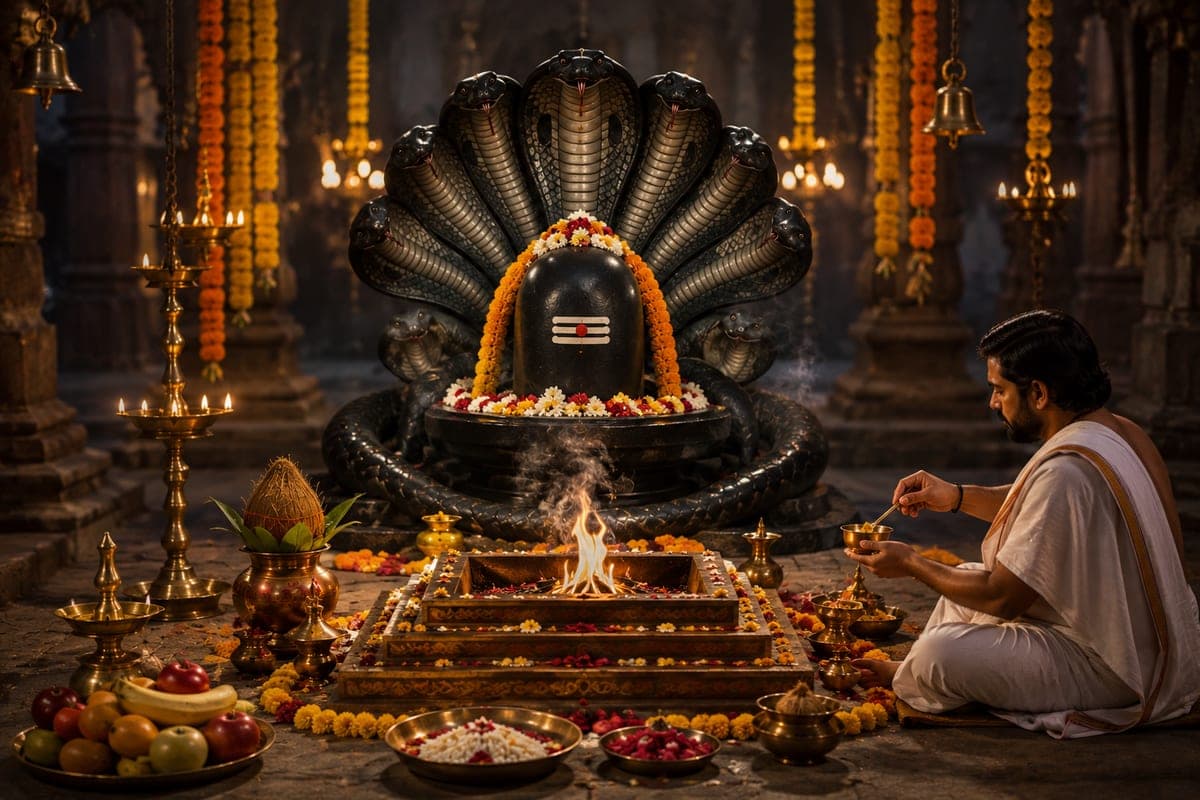
Lakshmi Puja is a ritual worship dedicated to Goddess Lakshmi, the deity associated with wealth, prosperity, and wellbeing, involving offerings of flowers, sweets, and lamps, typically performed at home or in a temple setting. Many pilgrims specifically arrange Lakshmi Puja during their Yatra to mark a personal intention, vow, or family occasion.
Lakshmi Puja During Diwali
The most prominent occasion for Lakshmi Puja is Diwali, when households and temples across India perform elaborate rituals seeking the goddess's blessings for the coming year, often accompanied by rows of lit diyas. Priests performing Lakshmi Puja are generally willing to briefly explain the ritual to curious pilgrims, particularly at quieter, less crowded temples.
Lakshmi Puja at Temples During Yatra
Pilgrims visiting temples dedicated to Lakshmi, sometimes paired with Vishnu, may witness or sponsor a Lakshmi Puja during their visit, particularly around Diwali, when such temples see significantly increased devotional activity. The exact steps involved in Lakshmi Puja can vary somewhat between temples, though the underlying devotional purpose remains broadly consistent across India.