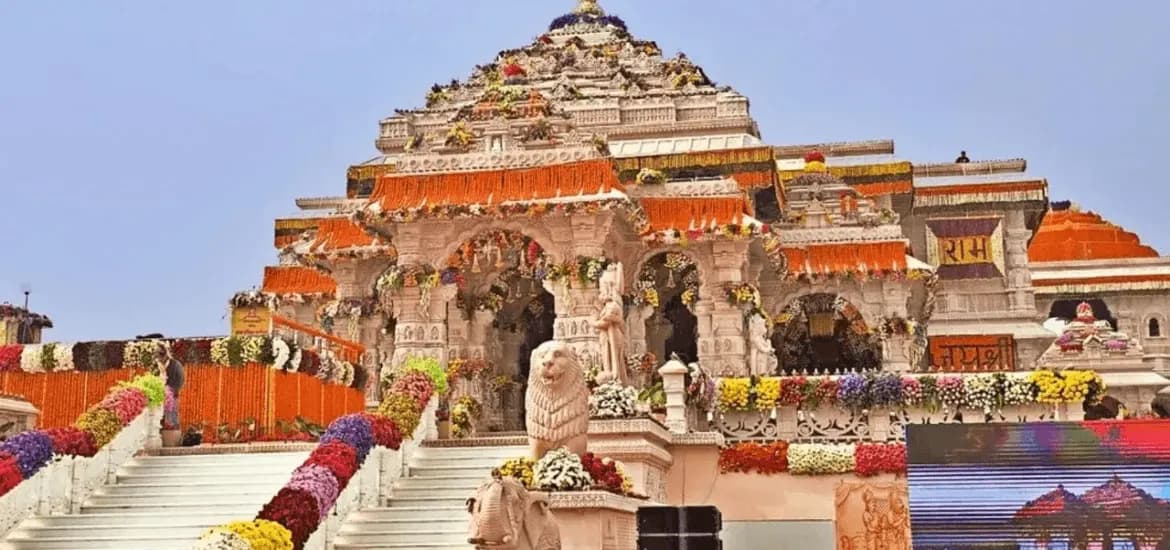
The term kshetra, meaning a sacred field or region, extends the concept of sacredness beyond a single temple to an entire surrounding area. Understanding this term helps pilgrims recognise why certain pilgrimage destinations are named and treated as a broader sacred zone rather than a single site.
What Does Kshetra Mean?
Kshetra refers to a sacred field, area, or region, often used to describe the broader sacred geography surrounding a temple or pilgrimage town, extending the concept of sanctity beyond a single structure to an entire locality. Local trusts overseeing sites connected to Kshetra often publish visiting hours and seasonal guidance useful for pilgrims planning ahead.
Kshetra in Pilgrimage Site Names
This term appears in the names of numerous significant pilgrimage destinations across India, reflecting a tradition of treating certain regions as sacred in their entirety rather than focusing solely on a single temple within them. The atmosphere around Kshetra is often considered part of its appeal, drawing pilgrims seeking a quieter, more reflective stop on their journey.
Understanding Kshetra During a Yatra
Pilgrims visiting a destination described as a kshetra may find multiple temples, shrines, and sacred natural features spread across the surrounding area, encouraging a more extended visit rather than a single-point pilgrimage stop. Pilgrims often combine a visit to Kshetra with darshan at a nearby temple as part of a single day's Yatra itinerary.