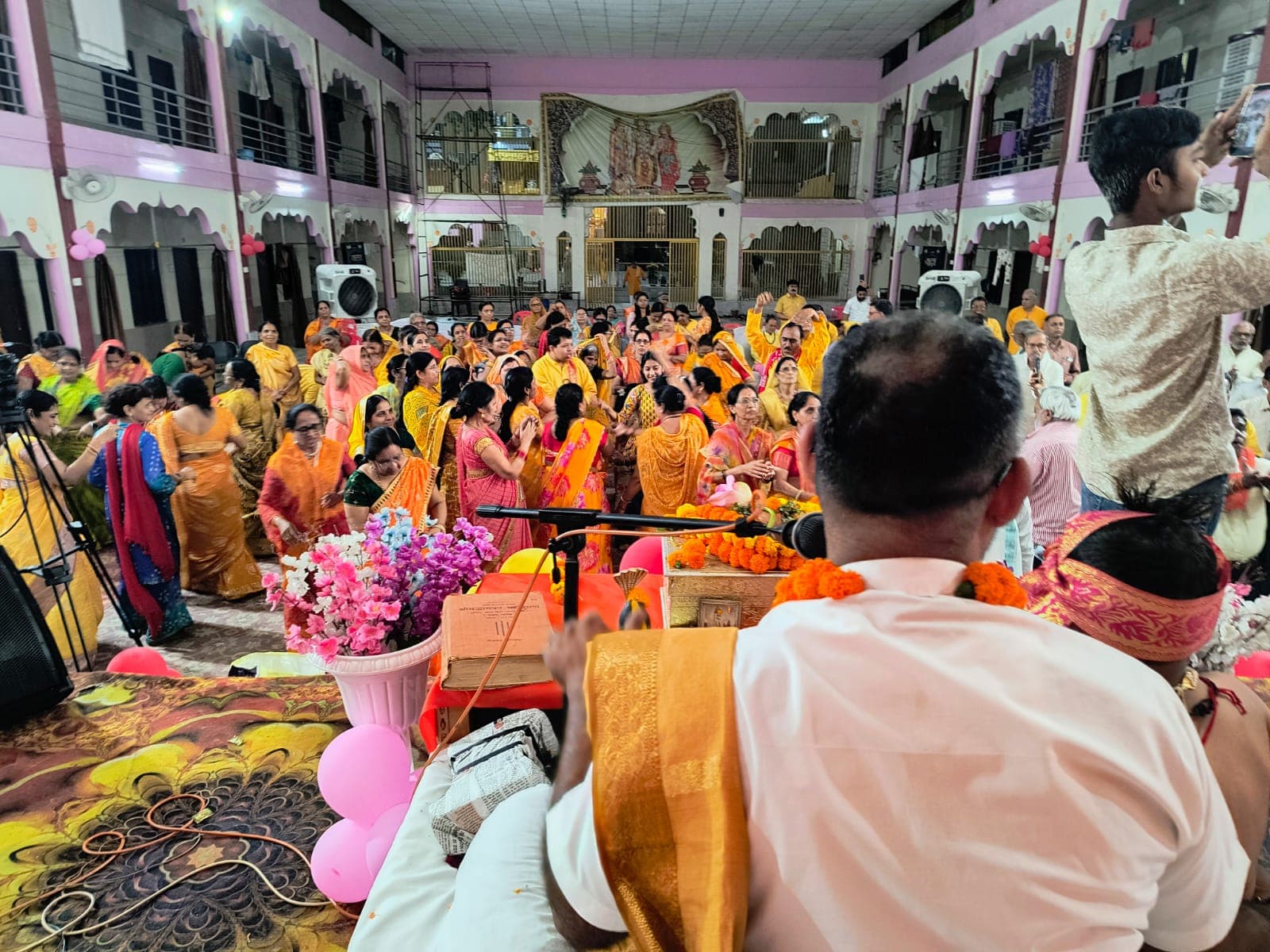
Alongside quieter rituals like puja and archana, Indian pilgrimage culture also includes moments of shared musical devotion, most notably through kirtan. This call-and-response style of singing, often accompanied by instruments and rhythmic clapping, creates an energetic and communal form of worship that pilgrims frequently encounter at temples, ashrams, and religious gatherings during a Yatra, sometimes continuing for hours as participants become fully absorbed in the collective rhythm and repetition.
What Is Kirtan?
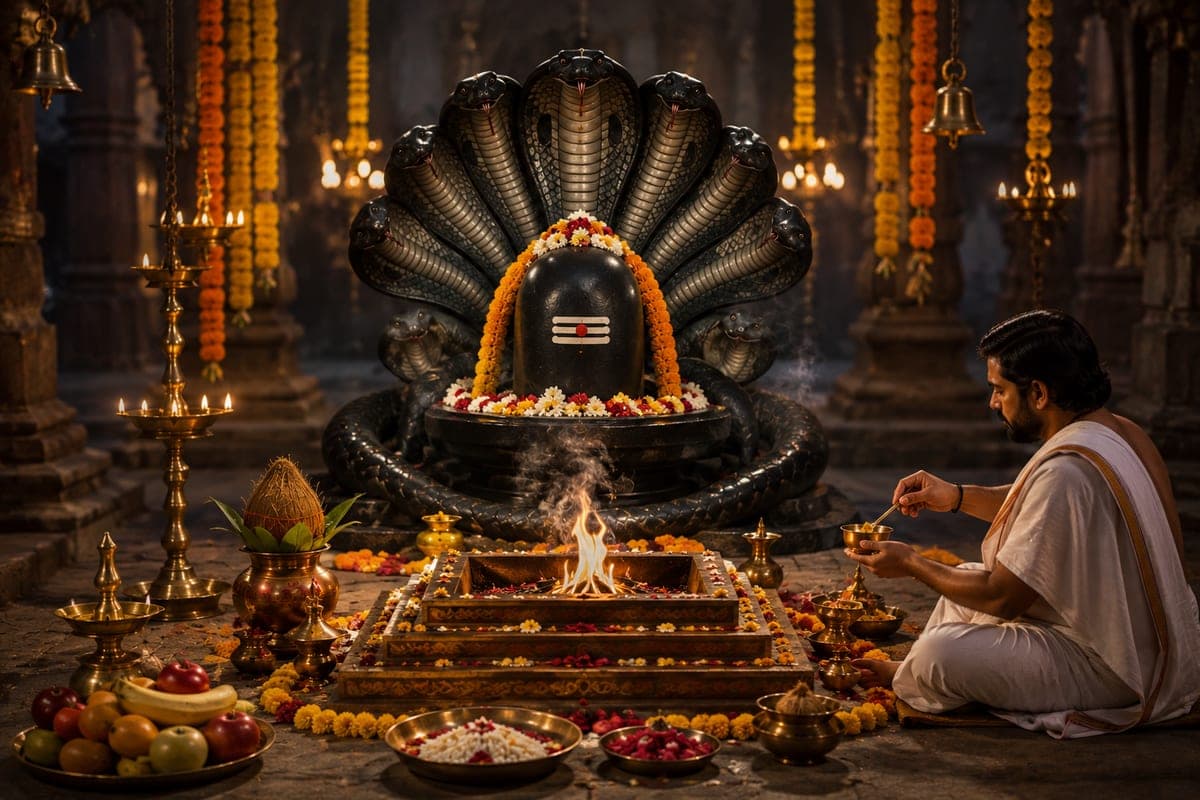
Kirtan is a devotional singing practice in which a lead singer chants verses, phrases, or names of a deity, which are then repeated by a group of participants, often building in intensity and tempo. It typically involves instruments such as harmonium, mridangam, or hand cymbals, creating a rhythmic and immersive musical experience centred on devotion, with sessions sometimes escalating from a slow, meditative pace to an energetic, almost trance-like collective singing. Priests performing rituals connected to Kirtan are generally happy to briefly explain the steps involved to curious pilgrims, particularly at quieter temples with fewer visitors during the day.
Kirtan in Temple and Ashram Settings
Many temples and ashrams host regular kirtan sessions, sometimes as part of a scheduled evening program or during specific festivals, drawing both regular devotees and visiting pilgrims. Certain pilgrimage centres, such as those associated with the Bhakti movement in places like Vrindavan, are particularly well known for their vibrant kirtan traditions, where sessions can draw large crowds of both local devotees and international visitors. Regional variations in how Kirtan is performed are common across India, reflecting local customs that have developed independently over centuries within different temple traditions.
Participating in Kirtan During a Yatra
Pilgrims attending a kirtan session are generally welcome to join in the singing and clapping, regardless of familiarity with the specific verses, as the repetitive structure makes participation easy for newcomers. Many pilgrims describe kirtan as one of the more emotionally uplifting parts of their Yatra, offering a sense of community and shared devotion distinct from individual darshan or puja, and often leaving them with a lasting memory of collective joy rather than solitary ritual. Many families maintain their own personal traditions around Kirtan, passed down from grandparents and adapted slightly for each generation while keeping the core practice intact.