Each year during the monsoon season, millions of devotees undertake the Kanwar Yatra, walking long distances on foot while carrying holy water to offer at a Shiva temple. This demanding pilgrimage is one of the most visible and widely observed Yatra traditions in North India.
What Is the Kanwar Yatra?
The Kanwar Yatra is an annual pilgrimage in which devotees, known as Kanwariyas, travel on foot, often over long distances, carrying pots of holy water, typically drawn from the Ganges, suspended from a decorated pole called a kanwar. Local communities along routes associated with Kanwar Yatra are generally familiar with pilgrim needs and often extend hospitality to travellers passing through.
Religious Significance of the Kanwar Yatra
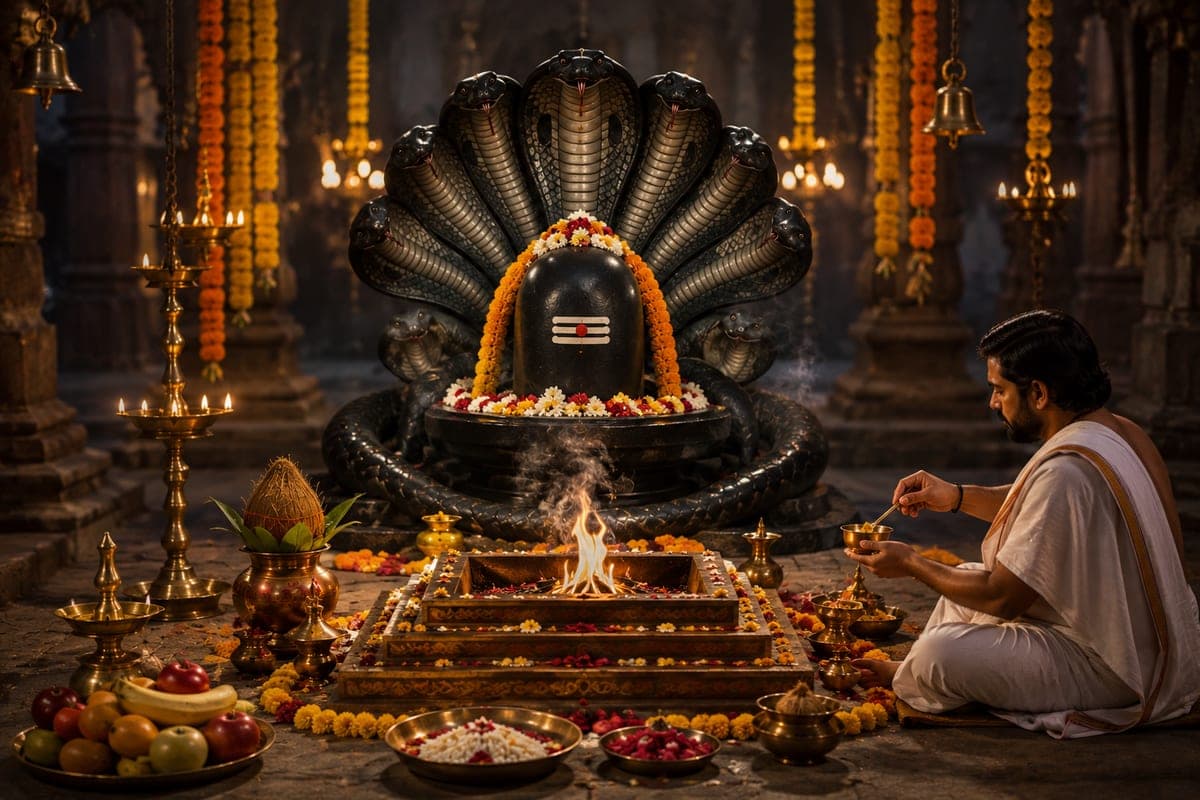
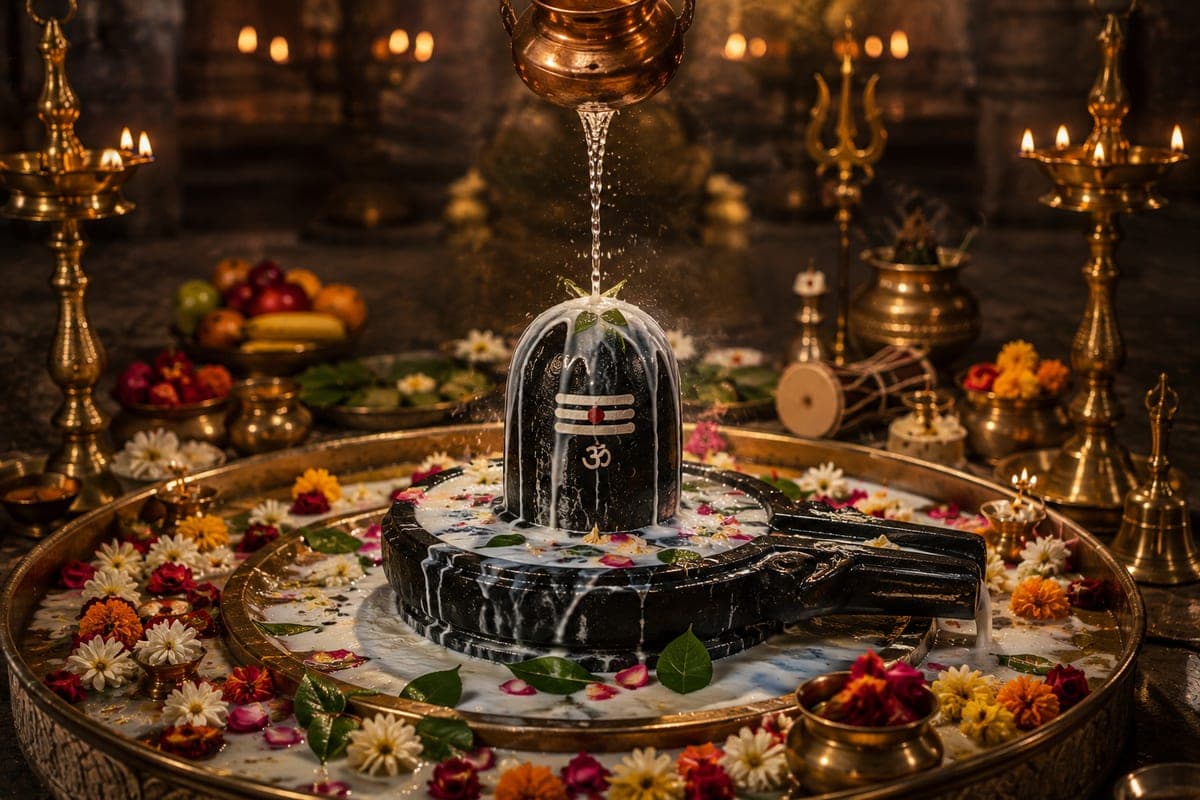
The collected water is traditionally offered at a Shiva temple, often coinciding with the month of Shravan, considered especially auspicious for Shiva worship. Undertaking this demanding journey on foot is considered a significant act of devotion. Many devotees describe their experience of Kanwar Yatra as one of the more physically and spiritually demanding parts of their pilgrimage journey.
Participating in the Kanwar Yatra
Kanwariyas typically travel in groups, wearing saffron clothing and observing specific dietary and behavioural discipline throughout the journey. Local communities along the route often set up camps offering food, rest, and medical support to passing pilgrims. Pilgrims undertaking a journey connected to Kanwar Yatra often prepare for weeks in advance, both physically and spiritually, before setting out.