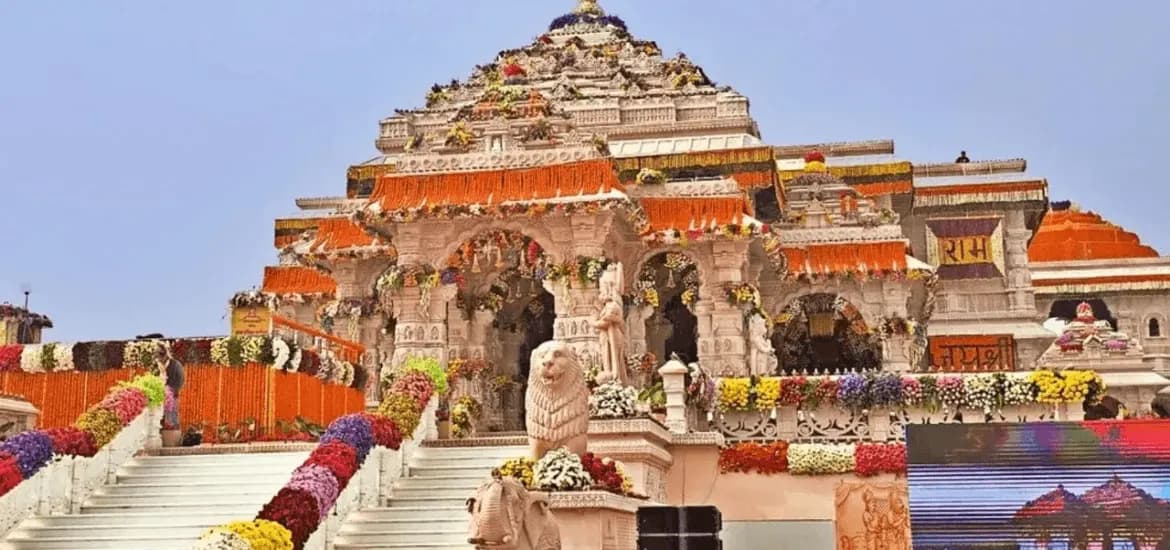
Many large South Indian temples include a Kalyana Mandapam, a dedicated hall originally built to host the ceremonial marriage of the temple's deities. Understanding this structure adds context to a distinctive architectural feature pilgrims encounter within major temple complexes.
What Is a Kalyana Mandapam?
A Kalyana Mandapam is a dedicated hall within a larger temple complex, traditionally constructed to host the ceremonial marriage of the temple's presiding deities, often featuring elaborate carved pillars and a raised platform. Pilgrims interested in temple architecture sometimes specifically seek out well-preserved examples connected to Kalyana Mandapam during their Yatra.
Religious Significance of the Kalyana Mandapam
Certain temples conduct an annual ceremony re-enacting the divine marriage of their deities within this hall, drawing significant crowds of pilgrims specifically for this occasion, considered particularly auspicious. Architectural historians and temple guides often point to Kalyana Mandapam as an example of the careful planning behind traditional Hindu temple design.
Kalyana Mandapam and Devotee Weddings
Many temples also make their Kalyana Mandapam available for devotee weddings, considered especially auspicious given the hall's association with divine marriage, extending the structure's original ceremonial purpose to the wider pilgrim community. Regional variations in Kalyana Mandapam are common across India, reflecting centuries of distinct local building traditions and craftsmanship.