Beyond the physical lamp itself, the concept of jyoti, or sacred flame, carries deep symbolic weight in Hindu worship. Representing divine presence and the dispelling of ignorance, jyoti appears not only in everyday temple rituals but also in specific pilgrimage traditions built around continuously burning flames, some of which have reportedly remained lit for generations without interruption.
What Does Jyoti Mean?
Jyoti refers to light or flame, particularly in a sacred or symbolic sense, representing divine presence, knowledge, and the removal of spiritual darkness. While closely related to the physical diya lamp, the term jyoti often carries a more abstract or devotional connotation, appearing in prayers, temple names, and religious concepts across many different regional and sectarian traditions within Hinduism. Local artisans near many pilgrimage sites continue to produce items connected to Jyoti using techniques passed down through generations, adding a further layer of tradition to the object itself.
Akhand Jyoti and Continuous Flames
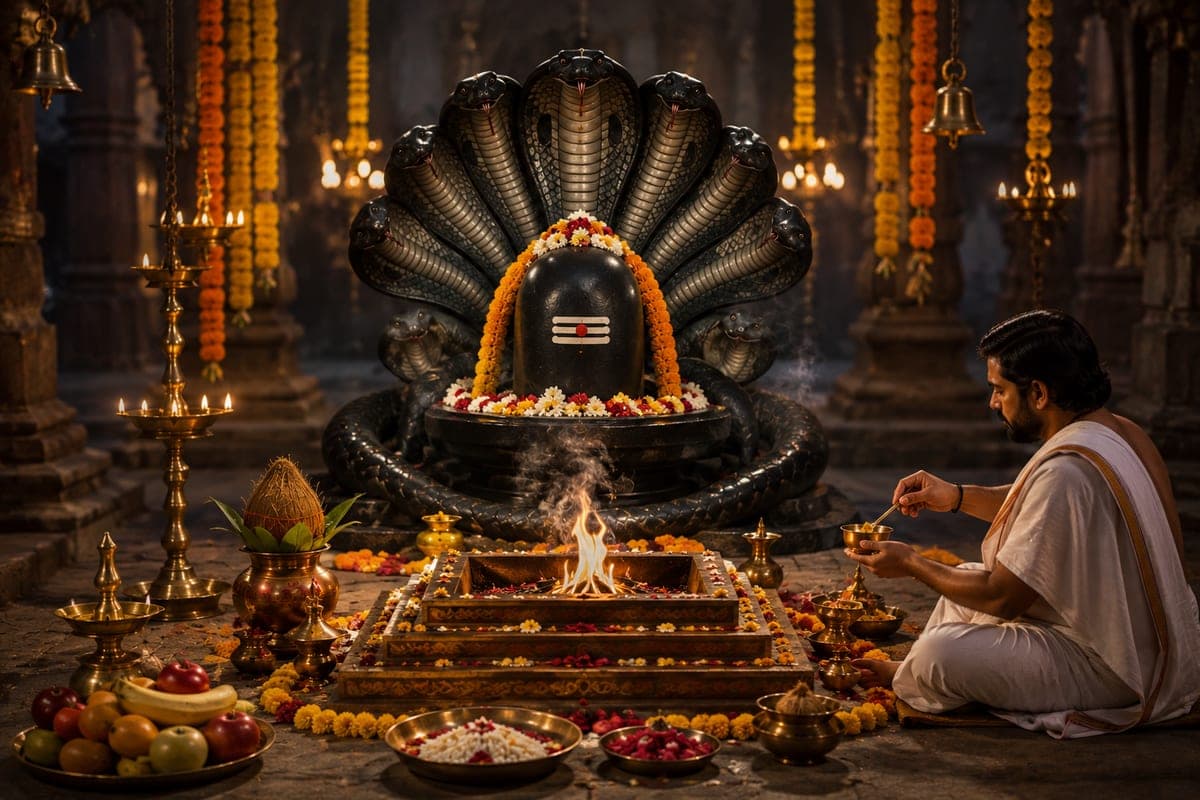
Some temples maintain what is known as an akhand jyoti, a flame kept continuously burning without interruption, sometimes for years or even centuries, as a symbol of unbroken devotion and divine presence. Certain pilgrimage sites are specifically known for such flames, drawing devotees who consider witnessing an akhand jyoti a significant part of their Yatra, often making a special point of visiting the specific shrine where it is maintained. Pilgrims often ask temple staff for guidance on authentic sourcing when purchasing items related to Jyoti, given the number of vendors operating near busier pilgrimage destinations.
Jyoti in Pilgrimage Site Names
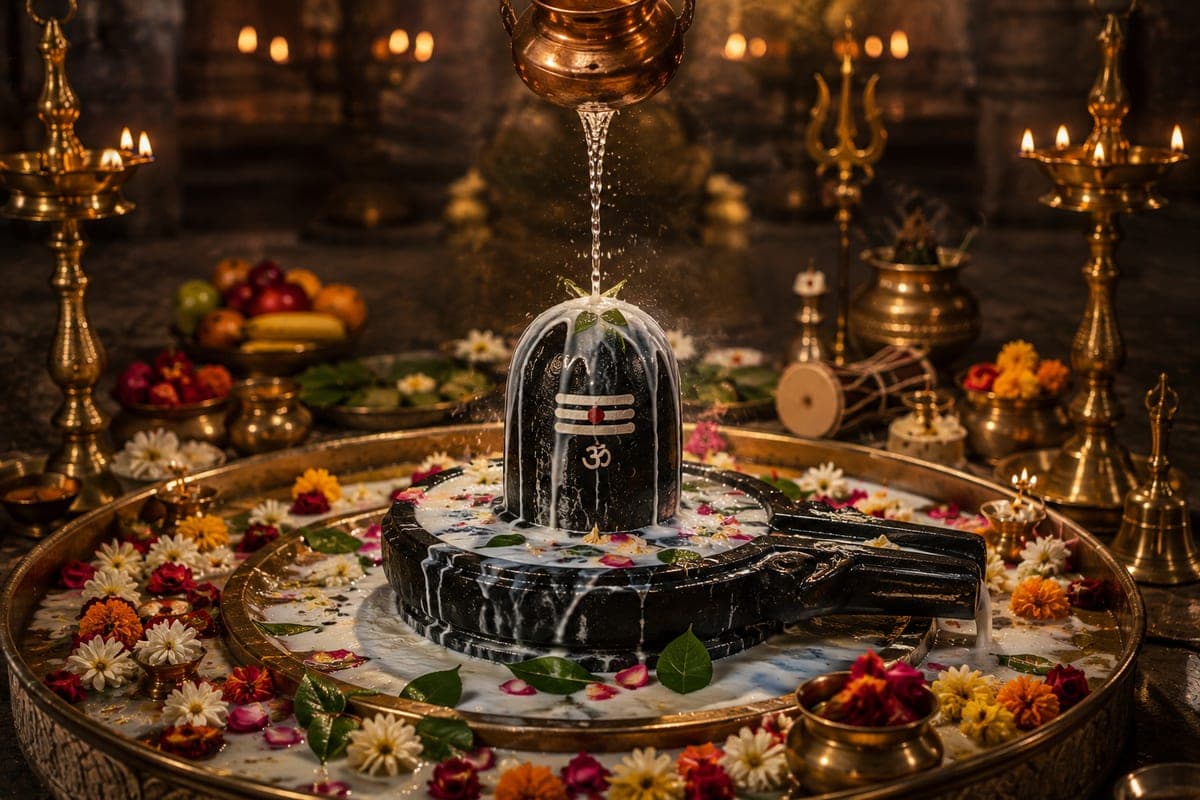
The term jyoti also appears directly in the names of significant pilgrimage destinations, most notably the twelve Jyotirlingas, meaning 'lingas of light', each associated with a self-manifested appearance of Shiva. Understanding this connection helps pilgrims appreciate the deeper symbolic meaning behind the names of these major Shiva pilgrimage sites, which many devotees aim to visit collectively over the course of their lifetime. The symbolism attached to Jyoti is often explained to visiting pilgrims by temple priests, particularly for those encountering the object or practice for the first time during their Yatra.