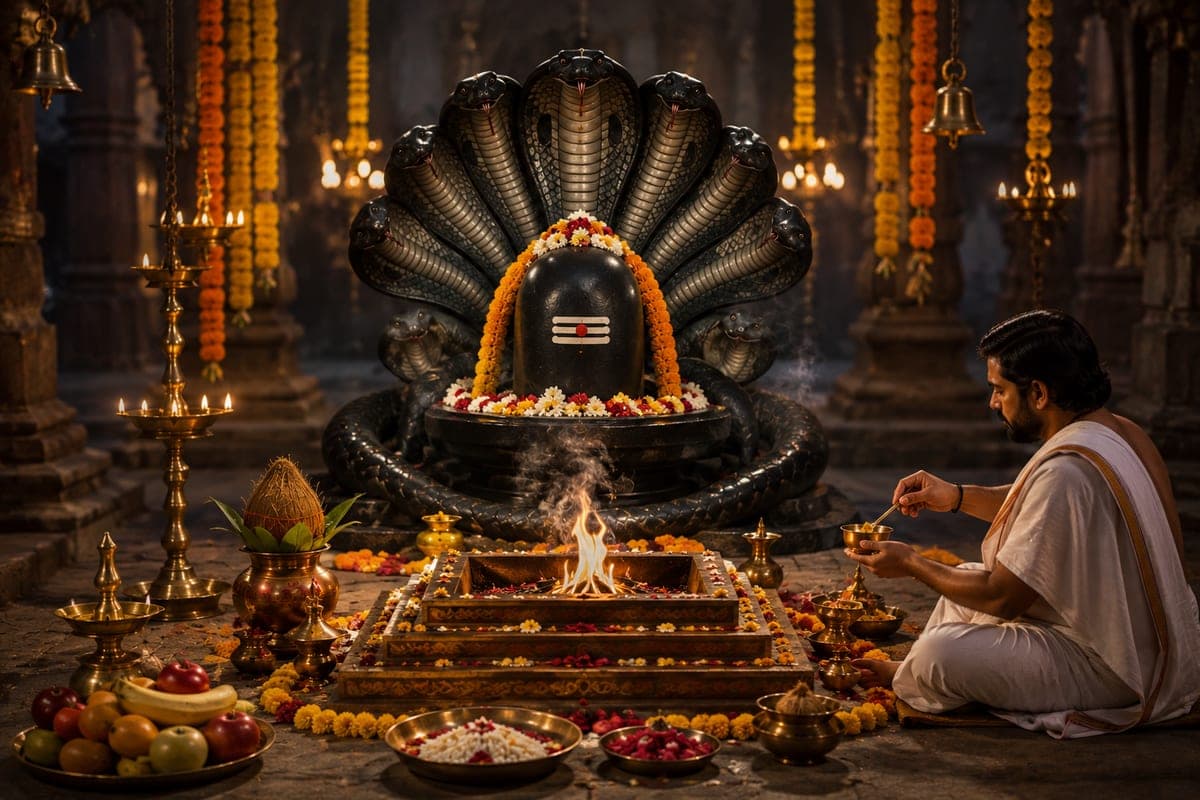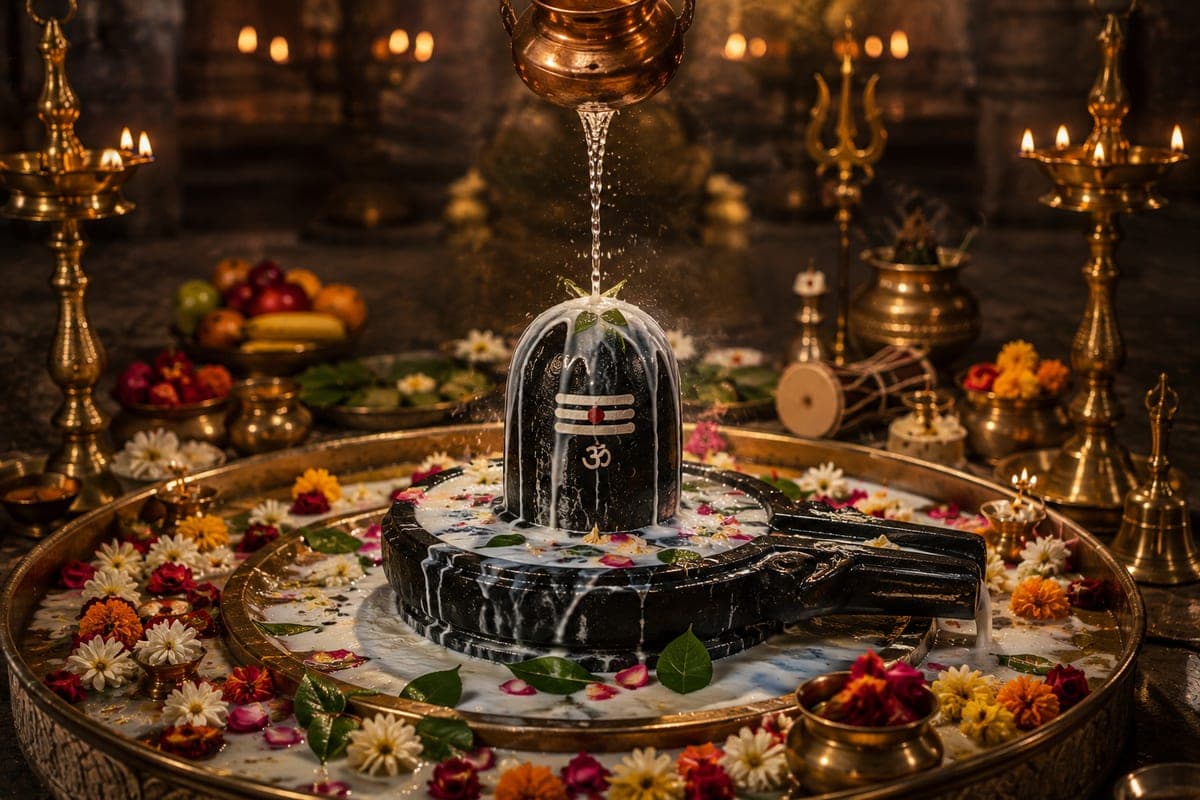
The sacred thread known as janeu, worn diagonally across the body, marks a significant rite of passage for many Hindu men, received during the Upanayana ceremony. Pilgrims wearing janeu often maintain it as an ongoing part of their religious identity throughout life.
What Is Janeu?
Janeu is a sacred thread, traditionally made of cotton, worn diagonally across the chest by Hindu men following the Upanayana ceremony, symbolising formal entry into religious study and the responsibilities of adulthood within certain traditions. Regional practices around Janeu vary somewhat across India, though its core devotional purpose remains widely recognised among Hindu pilgrims.
The Ceremony Behind Janeu
Receiving the janeu takes place during the Upanayana ceremony, a significant rite of passage traditionally performed in childhood or early adulthood, marking the beginning of formal Vedic study under a guru's guidance. Many pilgrims keep a small amount of Janeu from a significant Yatra as a lasting reminder of that particular temple visit.
Janeu During Temple Rituals
Many priests and devotees wear janeu during temple rituals, considering it an essential part of proper ritual attire for certain ceremonies, and pilgrims who have undergone the Upanayana ceremony typically continue wearing it throughout their life. Vendors near many temples sell Janeu to pilgrims, and priests can usually explain the correct way to use it during a visit.