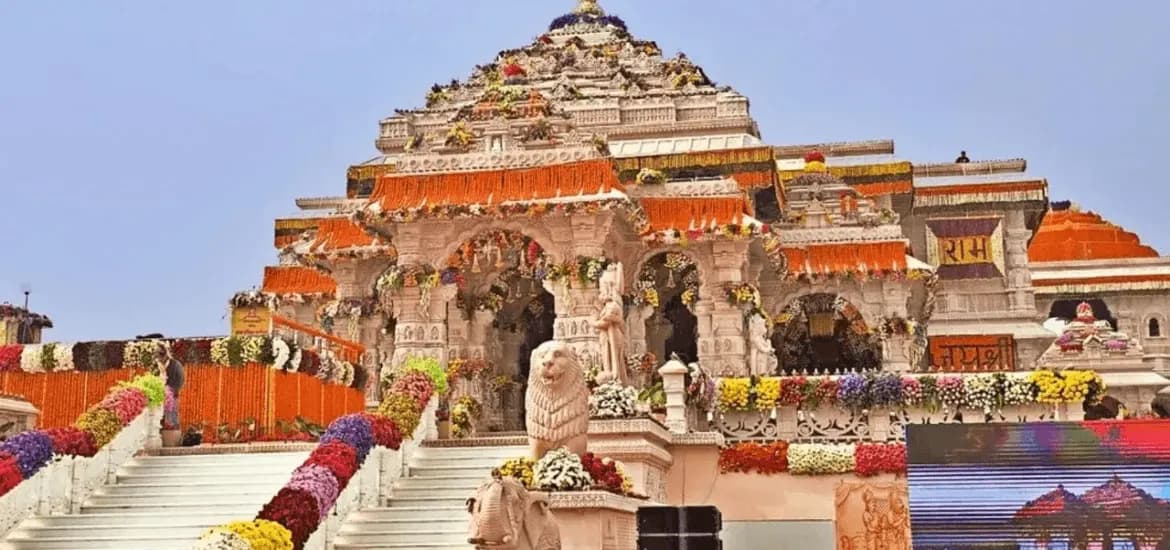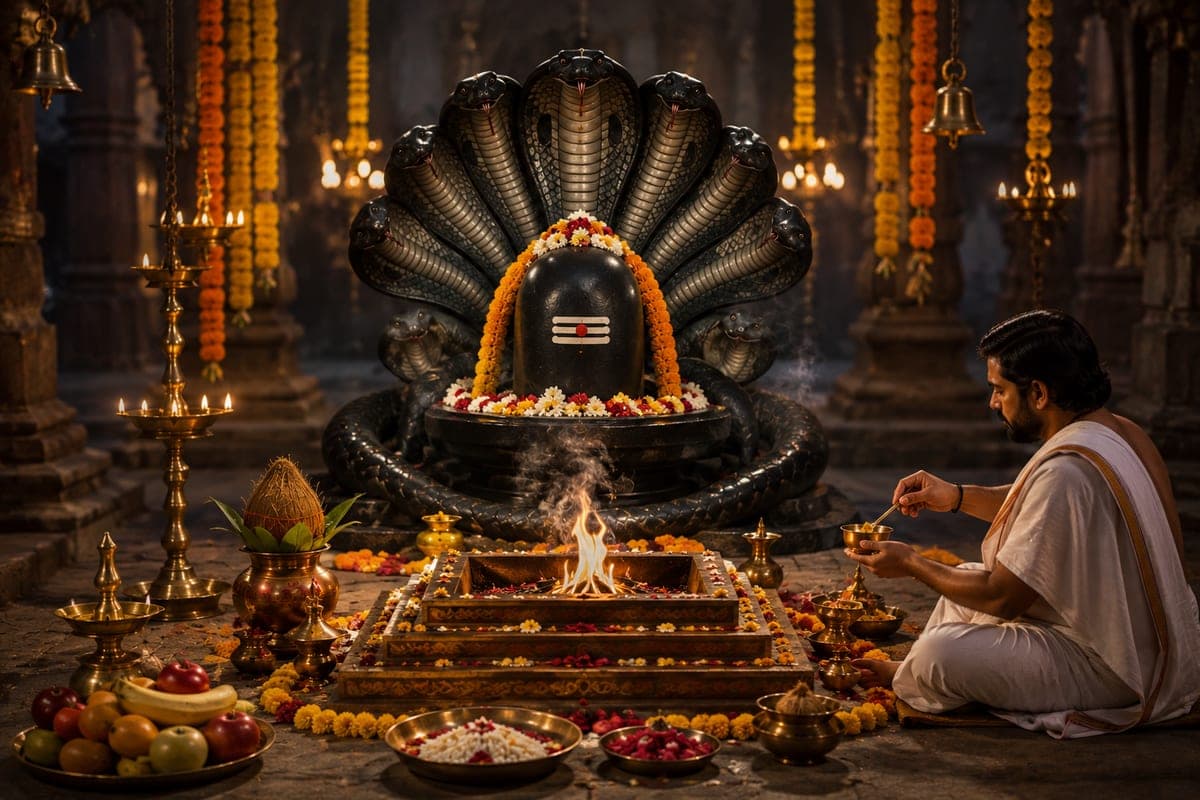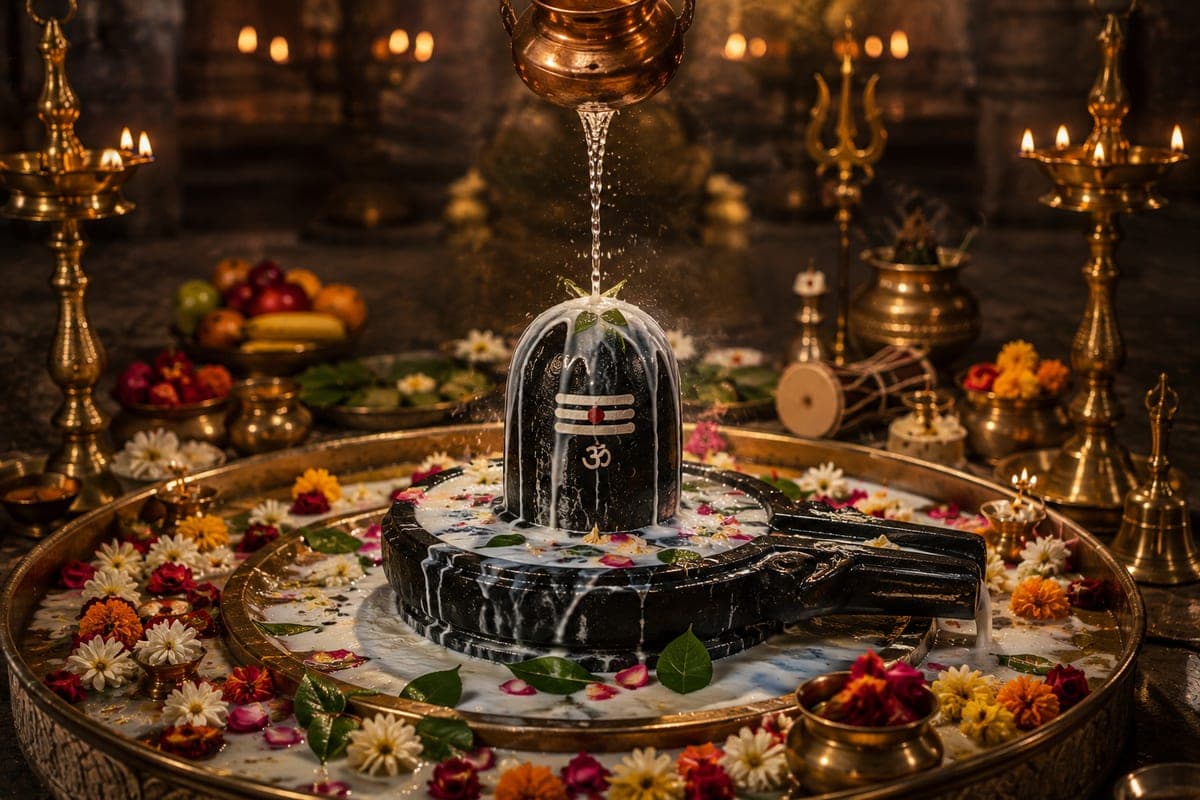
The general term incense covers the range of fragrant offerings, including agarbatti and dhoop, that fill temple courtyards during worship. Understanding this broader term helps pilgrims connect the specific items they encounter to the overall category of fragrance-based offerings in Hindu ritual.
What Does Incense Mean in This Context?
Incense refers broadly to fragrant substances burned as an offering during worship, encompassing specific forms such as agarbatti, a stick-based incense, and dhoop, a resin-based variety, both commonly used in Hindu temple rituals. Regional practices around Incense vary somewhat across India, though its core devotional purpose remains widely recognised among Hindu pilgrims.
Why Incense Is Offered
Burning incense is considered part of the traditional five elements offered during puja, alongside light, water, flowers, and food, with the rising fragrant smoke symbolically believed to carry prayers upward. Many pilgrims keep a small amount of Incense from a significant Yatra as a lasting reminder of that particular temple visit.
Incense Throughout a Yatra
Pilgrims encounter incense constantly during their Yatra, from small roadside shrines to grand temple complexes, with its distinct fragrance often becoming closely associated in memory with the overall atmosphere of their pilgrimage. Vendors near many temples sell Incense to pilgrims, and priests can usually explain the correct way to use it during a visit.