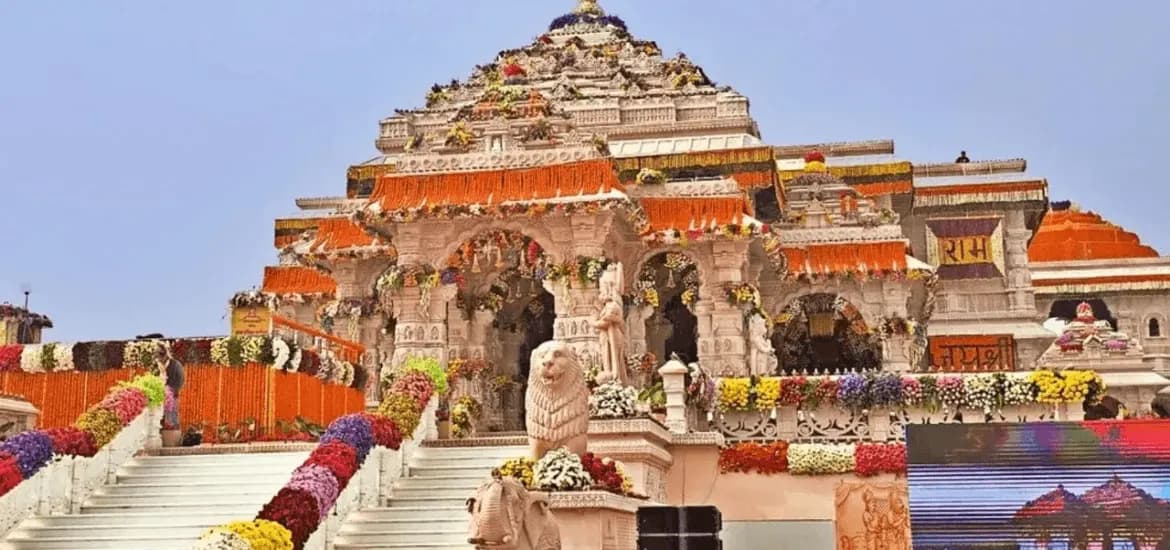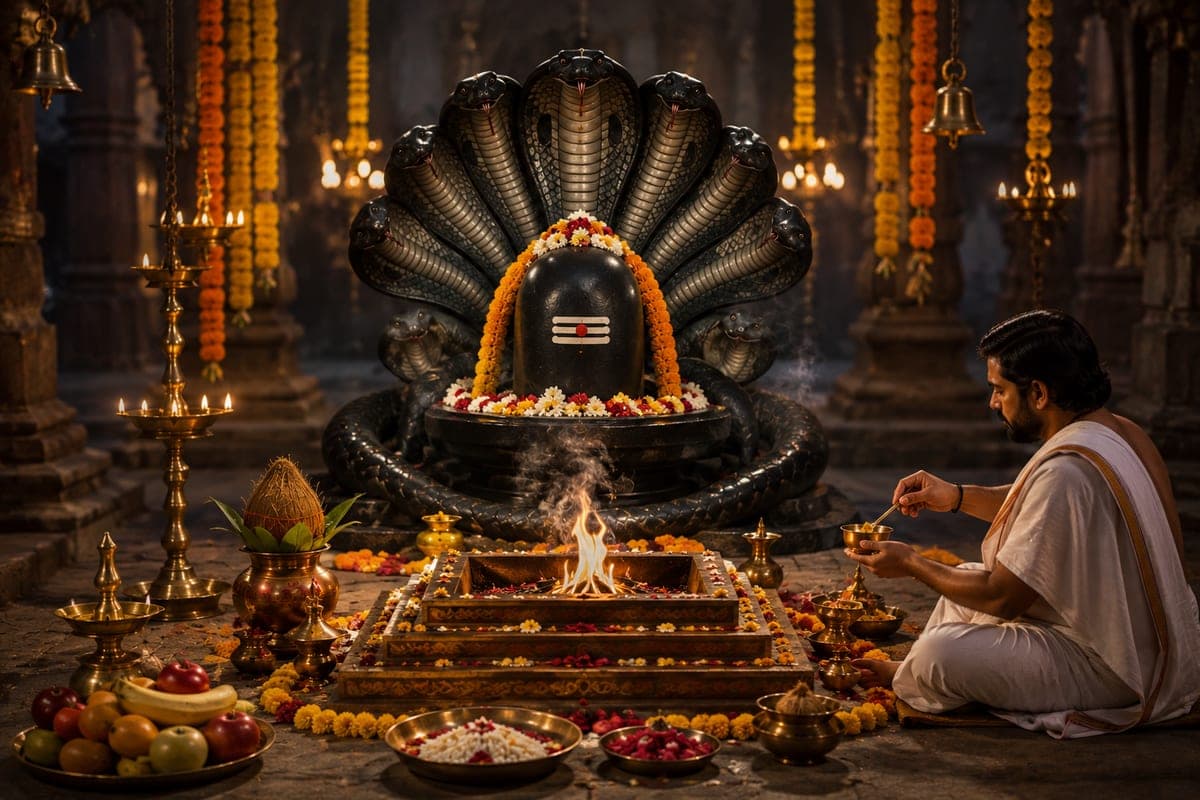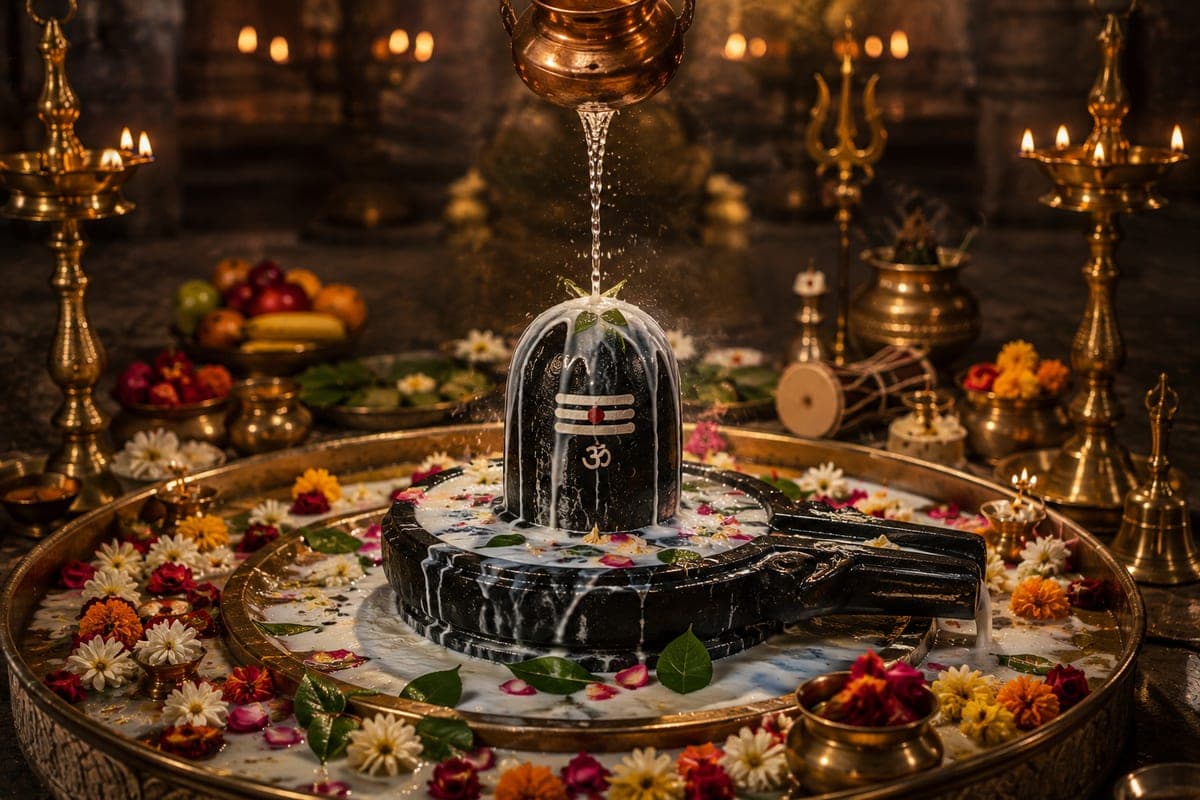
At the centre of every temple sanctum sits an idol, the consecrated image through which a deity is worshipped. For pilgrims, this idol is the ultimate destination of their Yatra, and understanding how it becomes sacred adds meaning to the darshan experience.
What Is an Idol in Hindu Worship?
An idol is a statue or image of a deity, made from stone, metal, or other materials, that becomes an object of worship after undergoing specific consecration rituals. Once consecrated, it is treated as more than a representation, believed to house the deity's presence. Regional practices around Idol vary somewhat across India, though its core devotional purpose remains widely recognised among Hindu pilgrims.
How an Idol Becomes Sacred
The process of consecrating an idol, known as pran pratishtha, involves specific rituals performed by trained priests, believed to invite the deity's presence into the image. Only after this ceremony is an idol considered fit for temple worship. Vendors near many temples sell Idol to pilgrims, and priests can usually explain the correct way to use it during a visit.
The Idol's Role in Darshan
Pilgrims travel specifically to view a temple's main idol during darshan, considering this moment the spiritual centrepiece of their Yatra. The idol's appearance, adornment, and the rituals performed around it, such as abhishek and shringar, all contribute to the overall darshan experience. Many pilgrims keep a small amount of Idol from a significant Yatra as a lasting reminder of that particular temple visit.