The term Gomukhi carries two related meanings for pilgrims, describing both a cow-mouth shaped water channel found at many Shiva temples and the glacial source of the Ganges itself near Gangotri. Understanding both uses helps pilgrims recognise this term across different pilgrimage contexts.
Gomukhi as a Temple Water Outlet
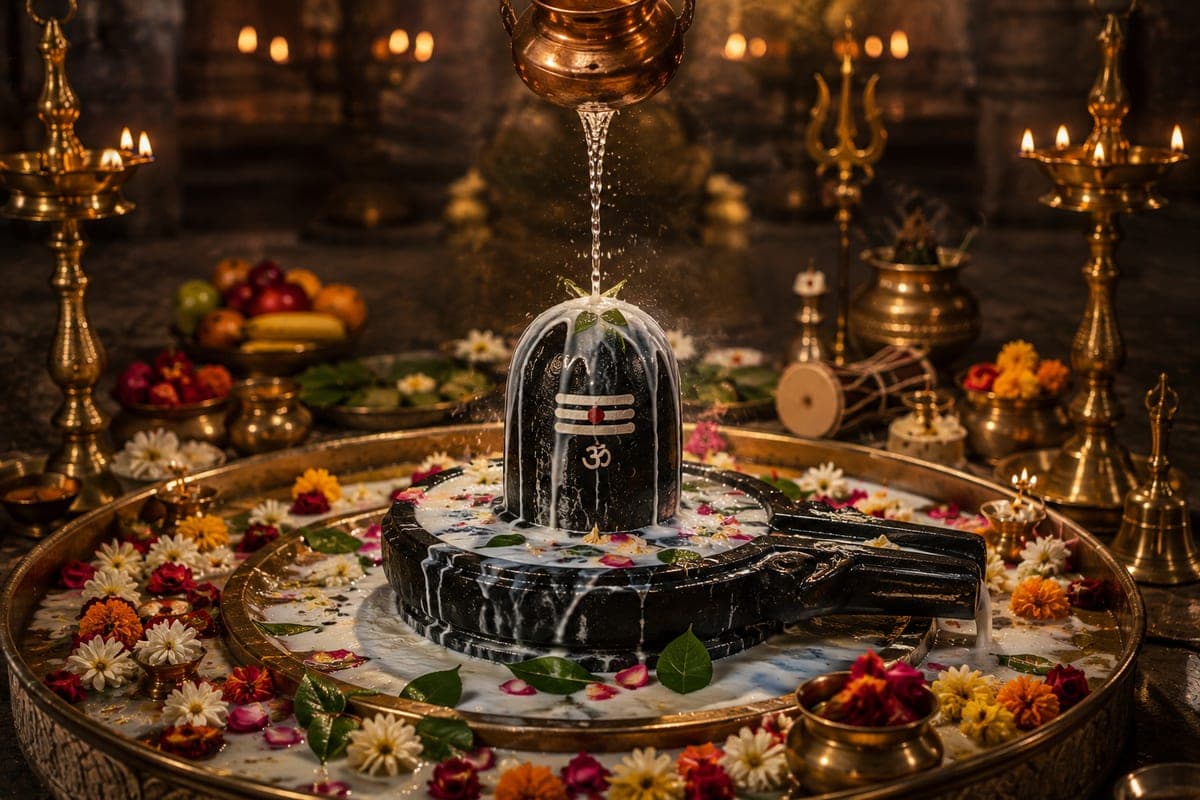
Within many Shiva temples, water used during abhishek flows out of the sanctum through a channel shaped like a cow's mouth, known as the gomukhi, reflecting the sacred status of the cow within the overall ritual design. The atmosphere around Gomukhi is often considered part of its appeal, drawing pilgrims seeking a quieter, more reflective stop on their journey.
Gomukh and the Source of the Ganges
The glacial source of the Ganges river, located near Gangotri in the Himalayas, is known as Gomukh, named for the cow-mouth shape of the ice formation from which the river's waters emerge. Local trusts overseeing sites connected to Gomukhi often publish visiting hours and seasonal guidance useful for pilgrims planning ahead.
Gomukh as a Pilgrimage Destination
Pilgrims undertaking a Yatra to Gangotri sometimes continue further to Gomukh itself, a demanding trek considered particularly significant for its direct connection to the river's sacred origin point. Pilgrims often combine a visit to Gomukhi with darshan at a nearby temple as part of a single day's Yatra itinerary.