Reciting the Bhagavad Gita in a structured format, known as Gita Path, offers devotees a way to engage directly with this foundational scripture. Understanding this practice helps explain why some families organise such a recitation alongside or following a significant Yatra.
What Is a Gita Path?
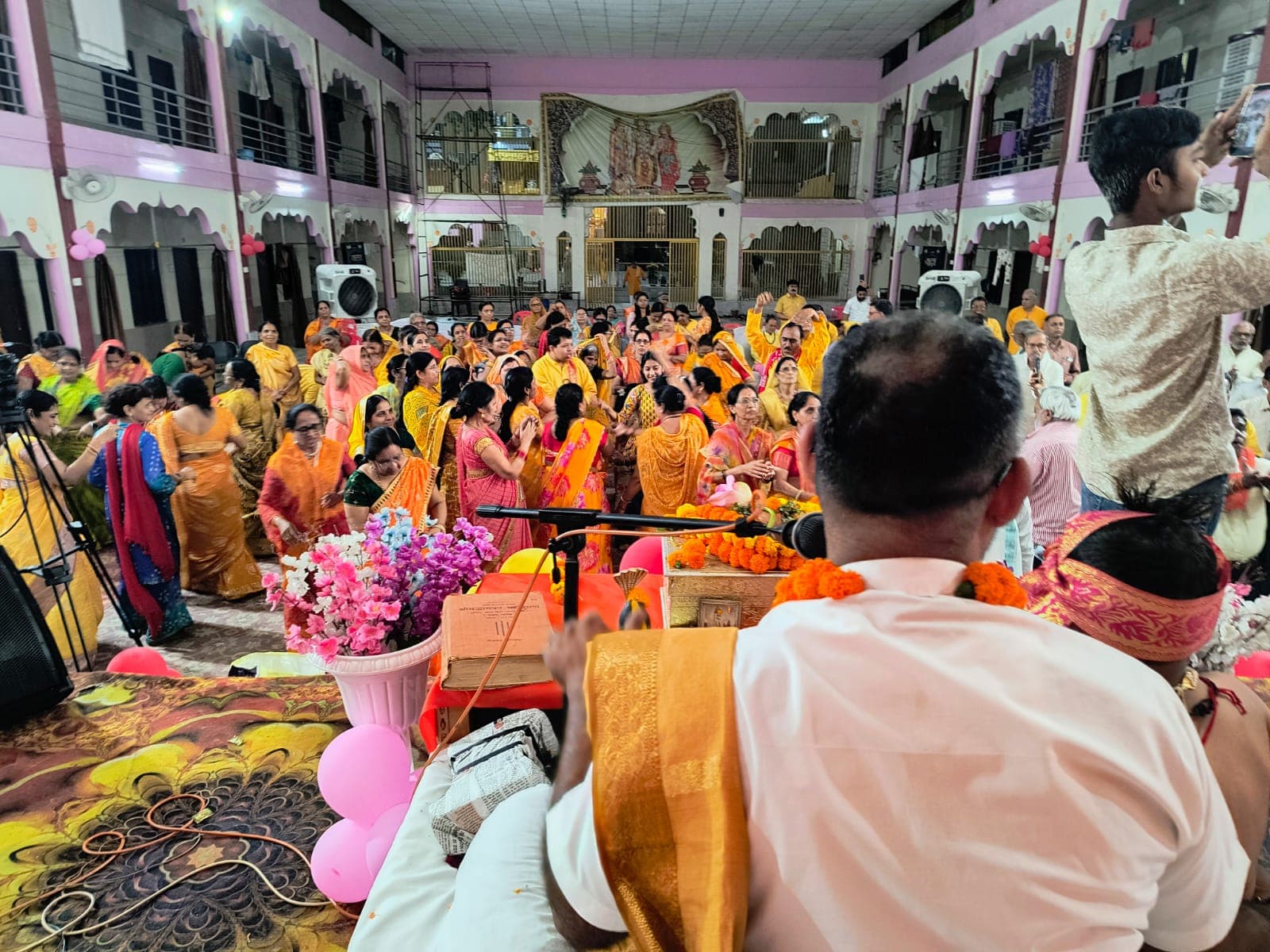
A Gita Path is an organised recitation of the Bhagavad Gita, either performed individually over a set period or collectively by a group of devotees, sometimes completed as a specific number of chapters per day. Pilgrims encountering Gita Path for the first time are often introduced to it gradually through family tradition rather than formal study alone.
Why Families Organise a Gita Path
Many families organise a Gita Path to seek spiritual merit, mark a significant life event, or fulfil a personal vow, treating the sustained recitation as a meaningful devotional commitment. Scholars and temple priests continue to teach and discuss Gita Path, keeping its relevance alive for each new generation of devotees.
Gita Path and Pilgrimage
Some pilgrims specifically undertake a Gita Path before or after a significant Yatra, particularly one connected to Krishna worship or sites associated with the Mahabharata, such as Kurukshetra, as an additional act of devotion. References to Gita Path appear across many regional Hindu traditions, with local interpretation shaping how it is understood by pilgrims today.