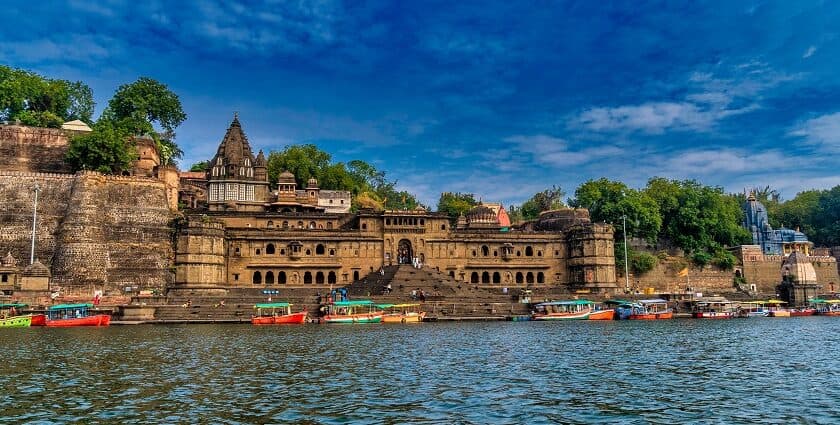
The steps leading down to a sacred river, known as ghats, form some of the most iconic settings in Indian pilgrimage, particularly in cities like Varanasi and Haridwar. Understanding their role helps pilgrims appreciate why these riverside locations draw such devoted crowds during a Yatra.
What Is a Ghat?
A ghat is a series of steps built along a riverbank, lake, or other body of water, providing access for bathing, prayer, and religious ceremonies. Many ghats have been in continuous use for centuries at sacred pilgrimage towns. The atmosphere around Ghat is often considered part of its appeal, drawing pilgrims seeking a quieter, more reflective stop on their journey.
Religious Significance of Ghats
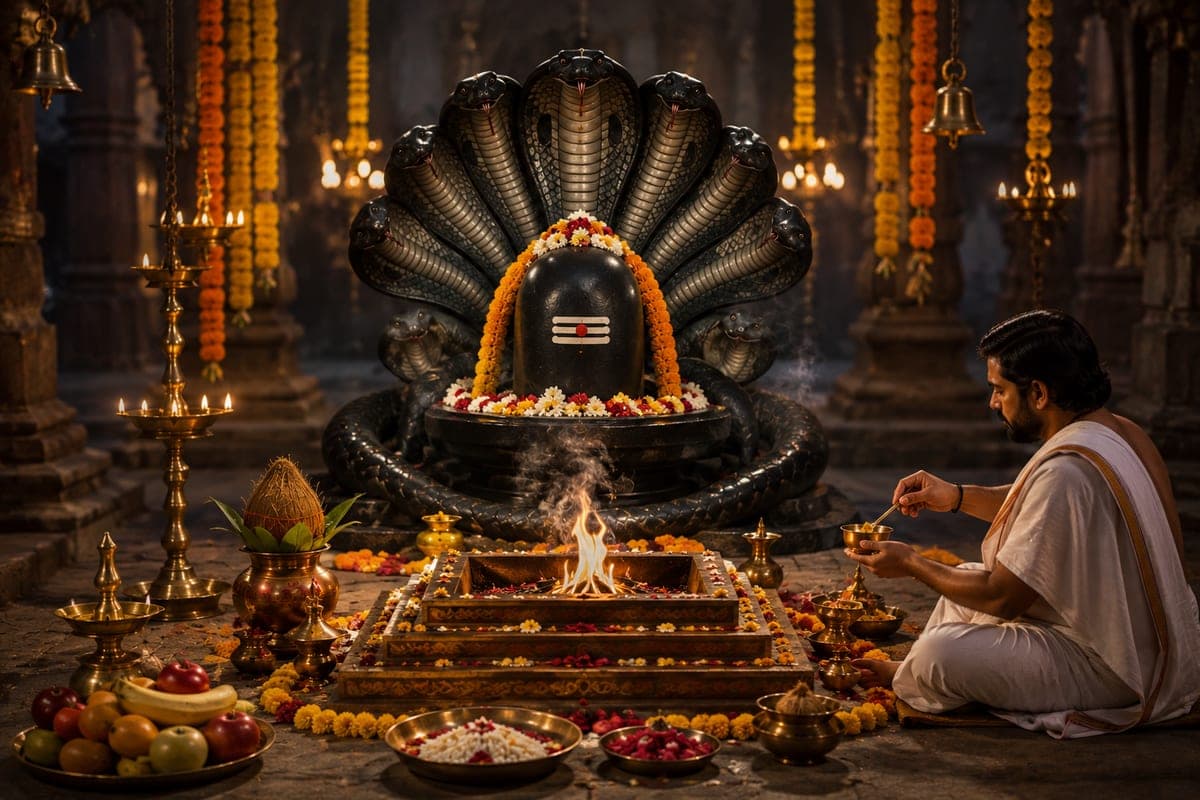
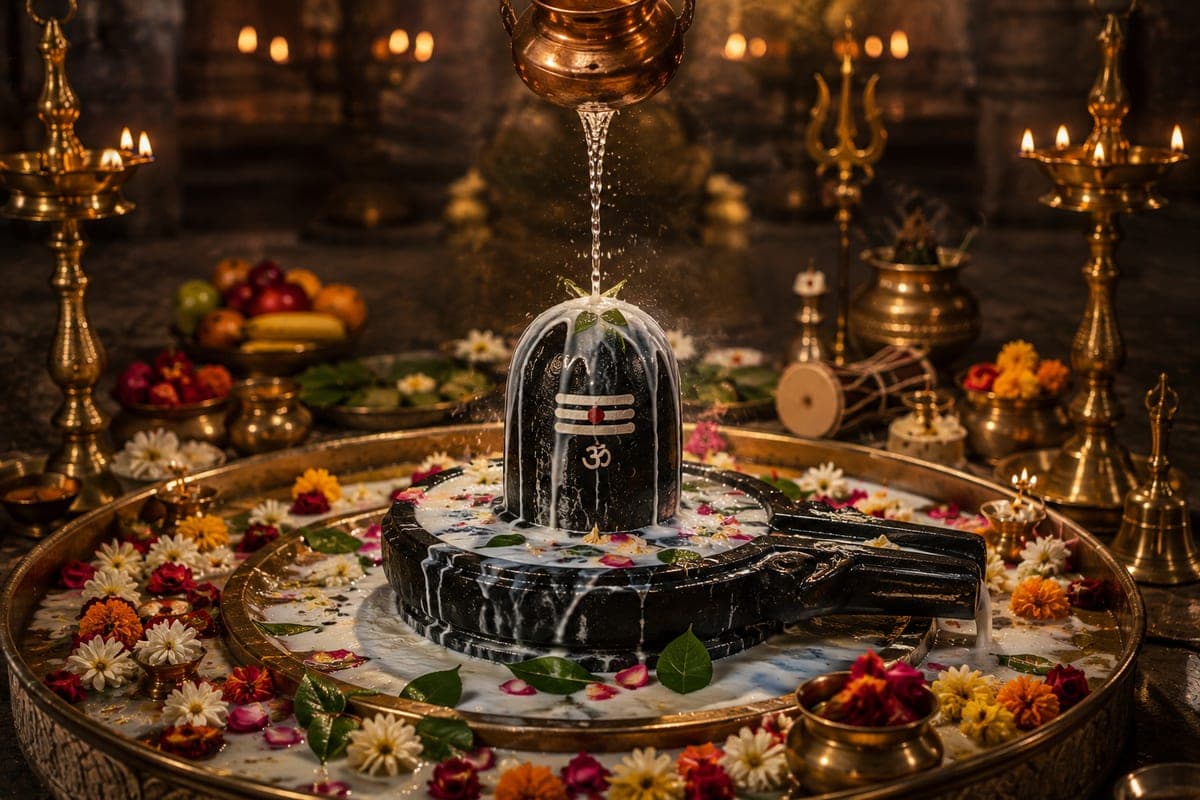
Bathing at a sacred ghat is traditionally believed to purify the pilgrim, and many important rituals, including aarti, immersion ceremonies, and ancestral rites, are performed at these riverside locations. Certain ghats are considered especially significant due to associated legends. Pilgrims often combine a visit to Ghat with darshan at a nearby temple as part of a single day's Yatra itinerary.
Visiting a Ghat During Pilgrimage
Pilgrims visiting cities like Varanasi often specifically plan their Yatra around witnessing or participating in ghat rituals, such as the famous evening Ganga aarti. Early morning is often considered an especially auspicious time for ritual bathing at a ghat. Local trusts overseeing sites connected to Ghat often publish visiting hours and seasonal guidance useful for pilgrims planning ahead.