Many women specifically observe Gauri Pujan, a ritual dedicated to Goddess Gauri, seeking blessings for marital happiness and their spouse's wellbeing. Understanding this ritual adds context to a devotional practice commonly observed during festivals connected to goddess worship.
What Is Gauri Pujan?
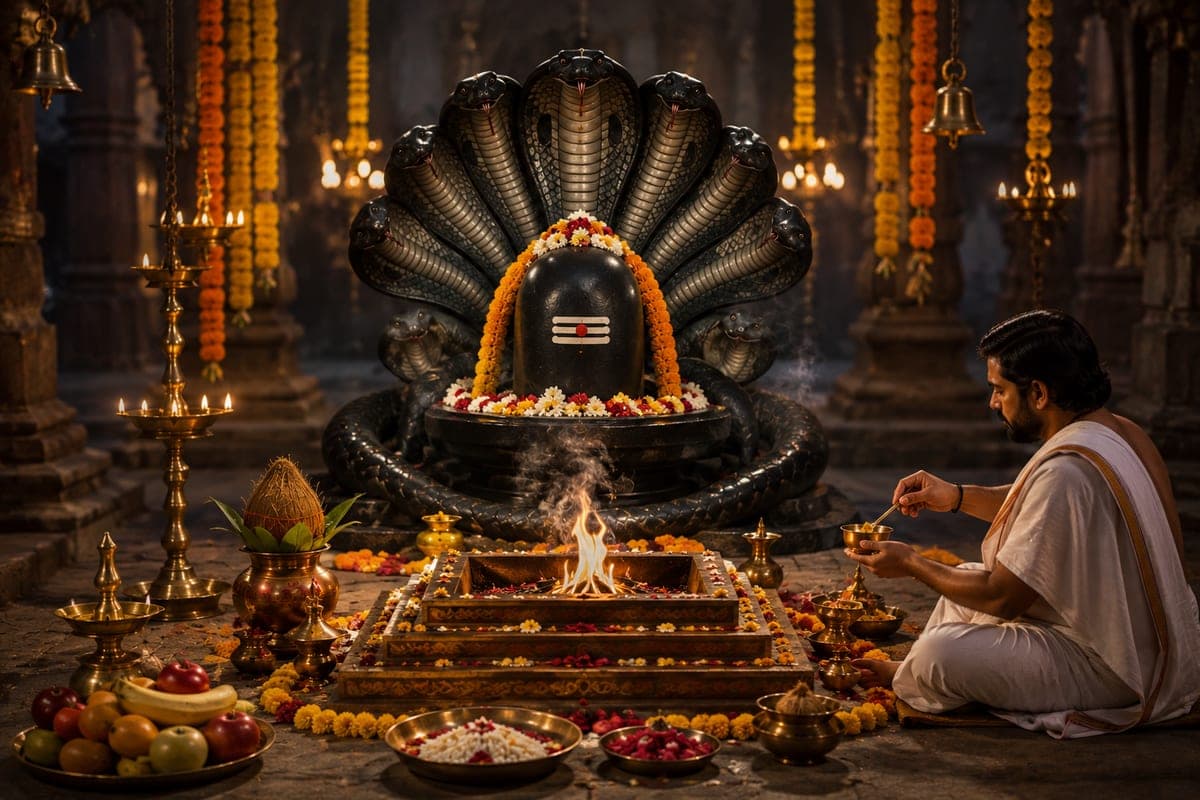
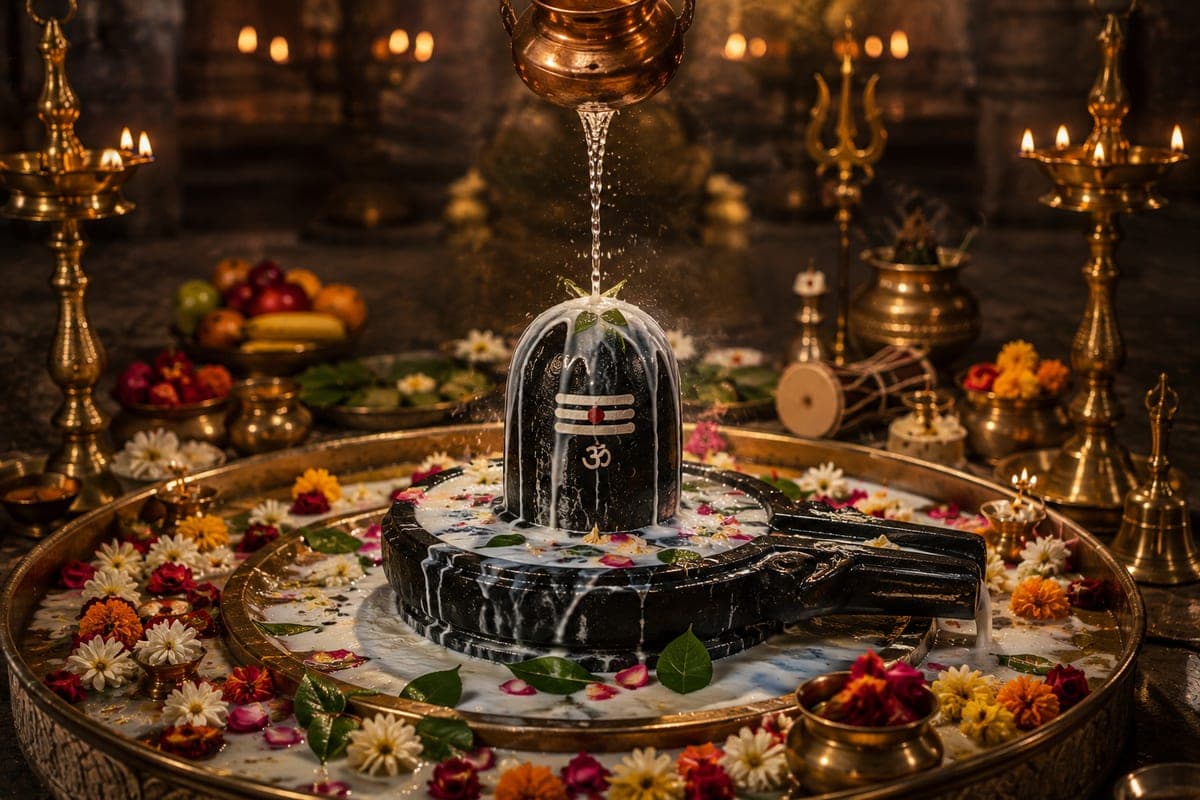
Gauri Pujan is a ritual worship dedicated to Goddess Gauri, considered a gentle form of Parvati, typically involving offerings of flowers, turmeric, and vermillion, often performed by women seeking blessings related to marriage and family wellbeing. Priests performing Gauri Pujan are generally willing to briefly explain the ritual to curious pilgrims, particularly at quieter, less crowded temples.
When Gauri Pujan Is Performed
This ritual is commonly observed during festivals such as Navratri and Teej, when goddess worship intensifies across many Hindu households, with Gauri Pujan forming a specific devotional practice within these broader celebrations. The exact steps involved in Gauri Pujan can vary somewhat between temples, though the underlying devotional purpose remains broadly consistent across India.
Gauri Pujan During Temple Visits
Pilgrims visiting Devi temples during relevant festivals may witness or participate in Gauri Pujan, particularly at temples with a specific shrine or tradition dedicated to this gentler form of the goddess. Many pilgrims specifically arrange Gauri Pujan during their Yatra to mark a personal intention, vow, or family occasion.