Referred to affectionately as Gau Mata, the cow holds a uniquely revered place in Hindu culture, treated with the respect typically shown to a mother. Pilgrims frequently encounter this reverence directly during their Yatra, whether at a temple's gaushala or simply along a pilgrimage route.
Why the Cow Is Called Gau Mata
The cow is referred to as Gau Mata, or mother cow, reflecting its symbolic association with nourishment, gentleness, and maternal care within Hindu tradition, considered sacred and deserving of protection and respect. Many pilgrims keep a small amount of Gau Mata from a significant Yatra as a lasting reminder of that particular temple visit.
Gau Mata in Temple Culture
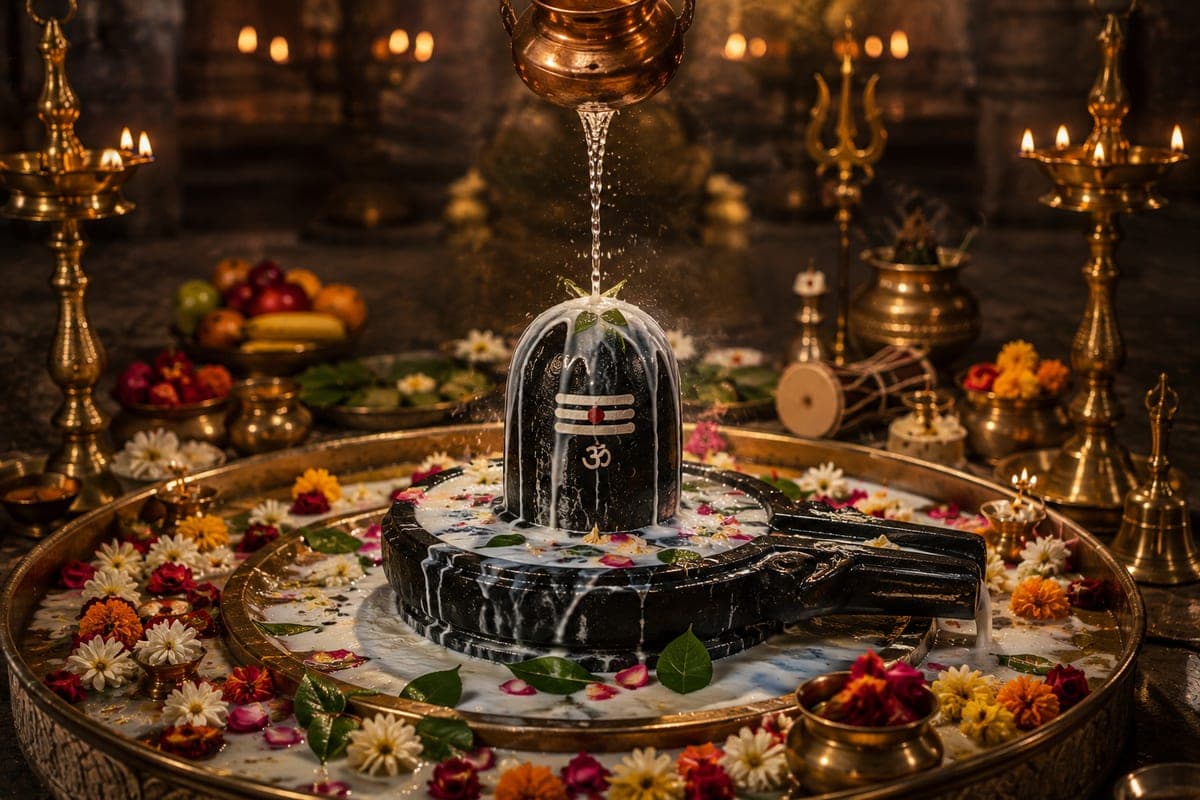
Many temples maintain a gaushala dedicated to caring for cows, reflecting this reverence directly within religious practice, and cow-related offerings such as milk and Panchamrit feature prominently in temple rituals. Vendors near many temples sell Gau Mata to pilgrims, and priests can usually explain the correct way to use it during a visit.
Showing Respect to Gau Mata During a Yatra
Pilgrims often show respect to cows encountered during their journey, sometimes offering food or a brief prayer, viewing such small gestures as a meaningful expression of the broader values embedded in Hindu pilgrimage culture. Regional practices around Gau Mata vary somewhat across India, though its core devotional purpose remains widely recognised among Hindu pilgrims.