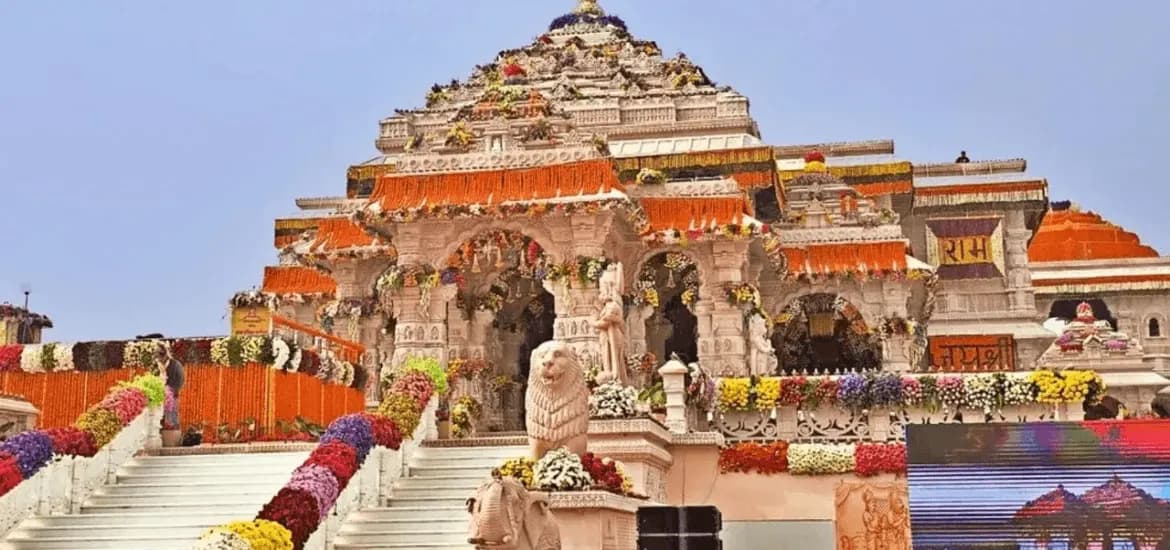
Bright, fragrant flower garlands are one of the most visible offerings found at any Indian temple, draped over deity idols as a mark of devotion and respect. Beyond temple worship, garlands also play a role in honouring priests, gurus, and religious ceremonies encountered throughout a pilgrimage journey, with vendors selling freshly strung garlands just outside almost every major temple entrance.
What Is a Garland in Hindu Worship?
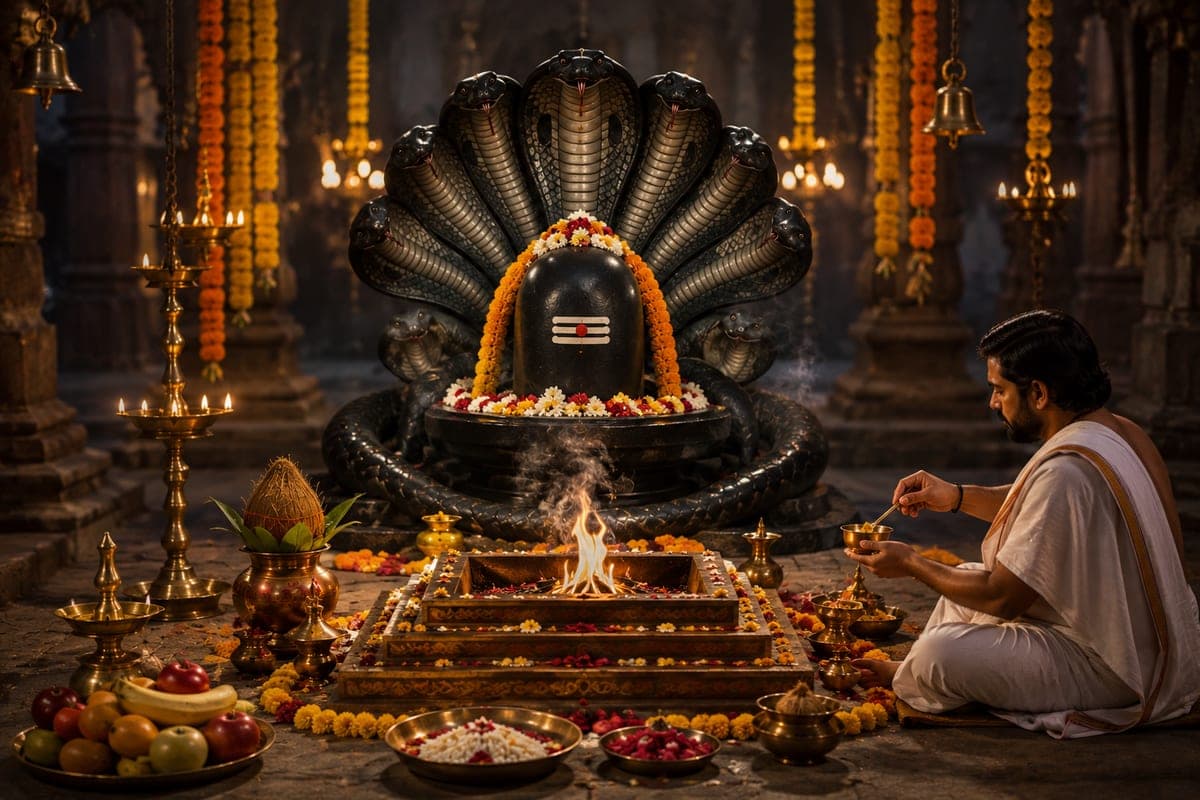
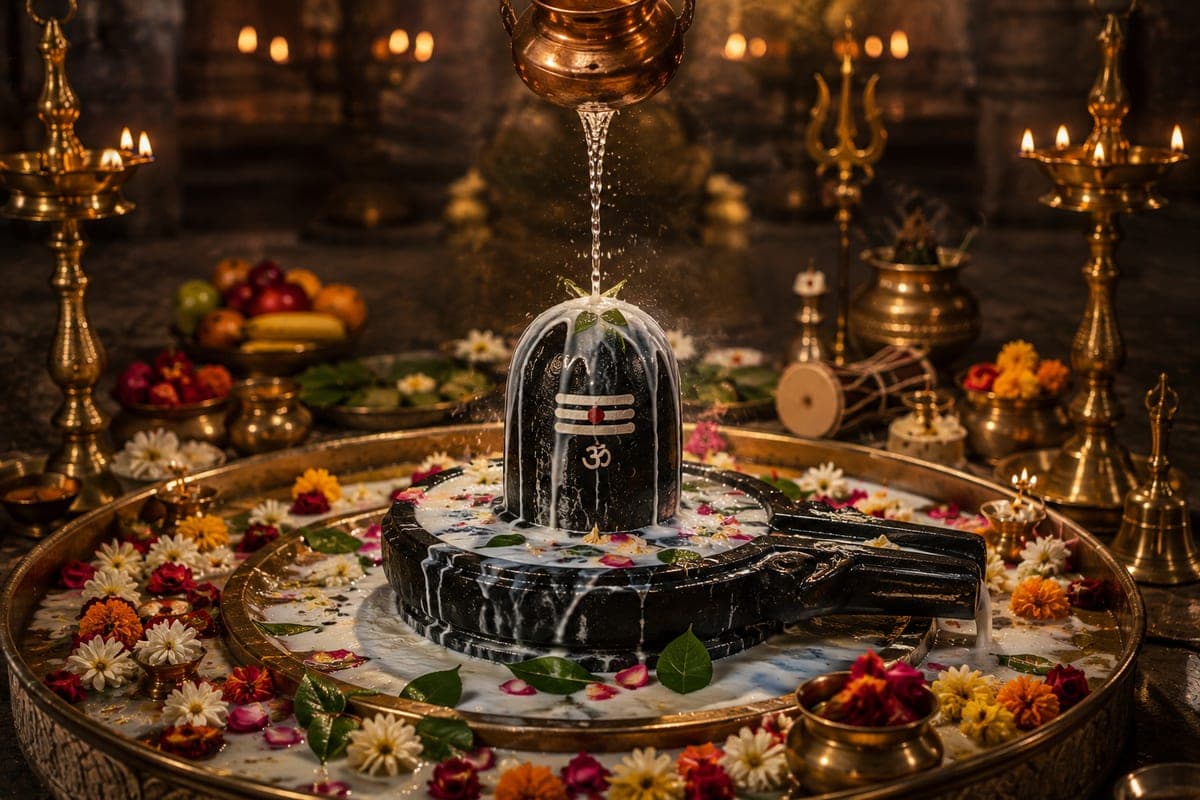
A garland, typically made by stringing together flowers such as marigold, jasmine, or lotus, is one of the most common offerings placed around a deity's neck or idol as part of daily temple worship. The choice of flower can vary by region, season, and specific deity being honoured, with some temples maintaining strong local traditions around garland-making that have been passed down through generations of local flower vendors. Local artisans near many pilgrimage sites continue to produce items connected to Garland using techniques passed down through generations, adding a further layer of tradition to the object itself.
Symbolic Significance of Floral Offerings
Offering a garland is considered an act of devotion and respect, with the flowers symbolising beauty, purity, and the devotee's willingness to offer something valuable to the deity. Garlands are also used more broadly in Hindu culture to honour respected guests, religious figures, or gurus, extending their symbolic use beyond temple idols alone into everyday social and religious customs across the country. Pilgrims often ask temple staff for guidance on authentic sourcing when purchasing items related to Garland, given the number of vendors operating near busier pilgrimage destinations.
Garlands During Pilgrimage
Pilgrims often purchase garlands from vendors near temple entrances to offer personally during their visit, sometimes choosing flowers specifically associated with the temple's main deity. At major festivals, temples may be elaborately decorated with large-scale floral garlands, adding to the visual and devotional atmosphere experienced by visiting pilgrims, occasionally requiring thousands of flowers sourced specially for a single day's celebration. The symbolism attached to Garland is often explained to visiting pilgrims by temple priests, particularly for those encountering the object or practice for the first time during their Yatra.