At the very heart of every Hindu temple lies the garbhagriha, the innermost sanctum housing the main deity, toward which every pilgrim's darshan is ultimately directed. Understanding this core architectural and spiritual concept helps pilgrims appreciate the deliberate design guiding their entire temple experience.
What Is the Garbhagriha?
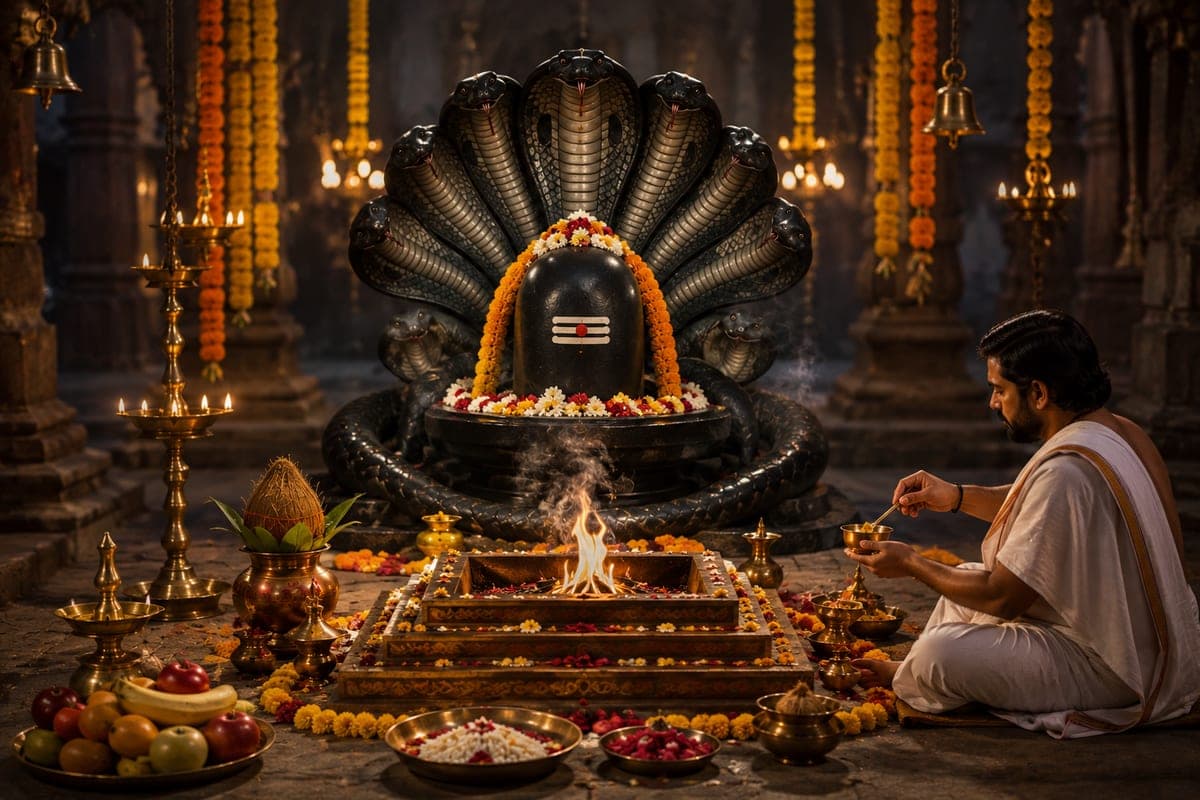
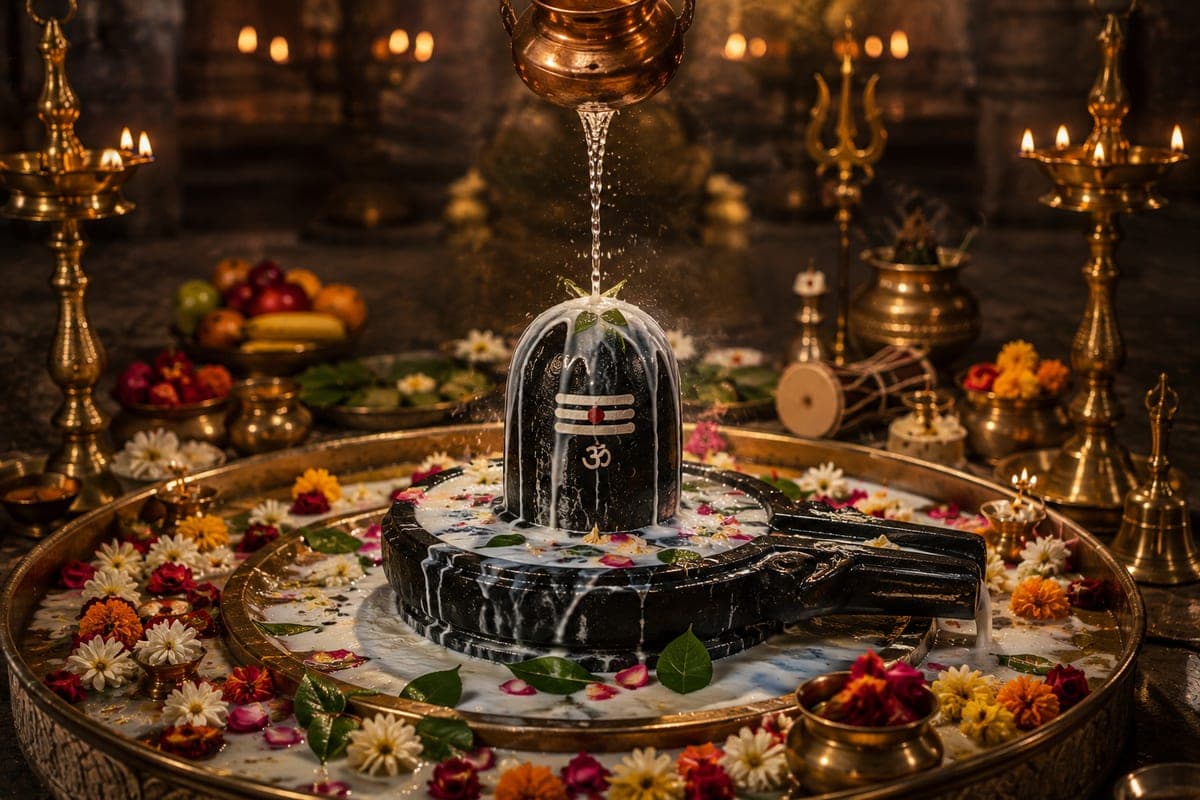
The garbhagriha, literally meaning 'womb chamber', is the innermost sanctum of a Hindu temple, typically a small, unadorned chamber housing the main consecrated deity, considered the most sacred space within the entire complex. Pilgrims interested in temple architecture sometimes specifically seek out well-preserved examples connected to Garbhagriha during their Yatra.
Why the Garbhagriha Is Central to Temple Design
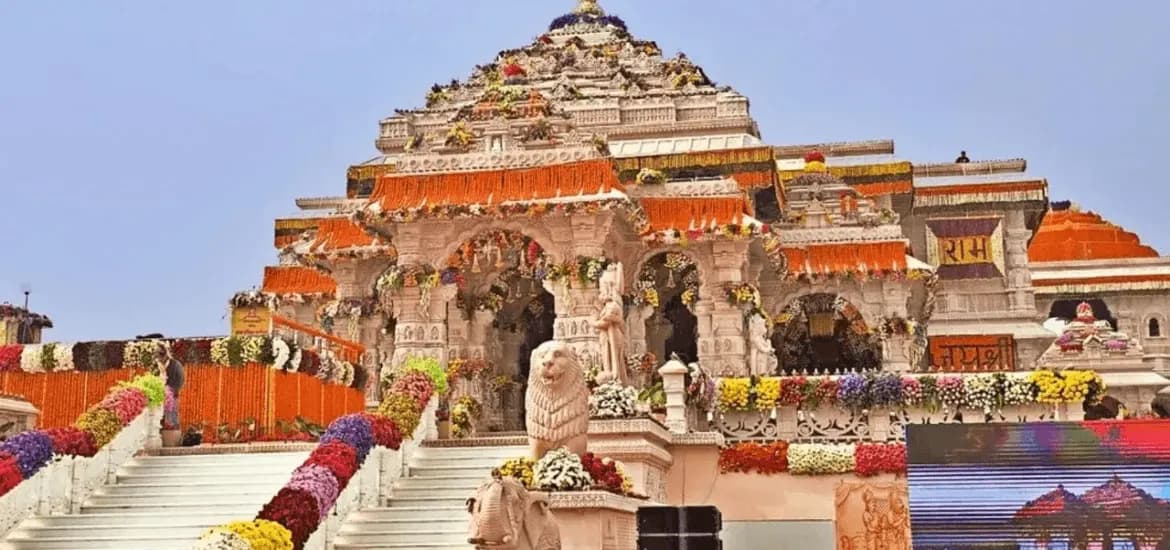
Nearly every element of temple architecture, from the surrounding mandapa to the towering shikhara or vimana above, is designed around and oriented toward the garbhagriha, reflecting its status as the spiritual and structural heart of the building. Regional variations in Garbhagriha are common across India, reflecting centuries of distinct local building traditions and craftsmanship.
The Garbhagriha and the Darshan Experience
Pilgrims moving through a temple's queue and courtyards are ultimately working their way toward the garbhagriha, where the brief moment of darshan before the deity represents the culmination of their entire temple visit. Architectural historians and temple guides often point to Garbhagriha as an example of the careful planning behind traditional Hindu temple design.