Few substances are as widely valued in Hindu ritual as Ganga Jal, water drawn from the sacred Ganges river. Pilgrims travelling to Haridwar, Varanasi, or other riverside pilgrimage towns often carry this water home, extending the significance of their Yatra into daily worship long after returning.
What Is Ganga Jal?
Ganga Jal refers specifically to water taken from the Ganges river, considered one of the most sacred rivers in Hindu tradition. It is collected by pilgrims visiting the river's banks and used in various rituals due to its believed purifying properties. Vendors near many temples sell Ganga Jal to pilgrims, and priests can usually explain the correct way to use it during a visit.
Religious Significance of Ganga Jal
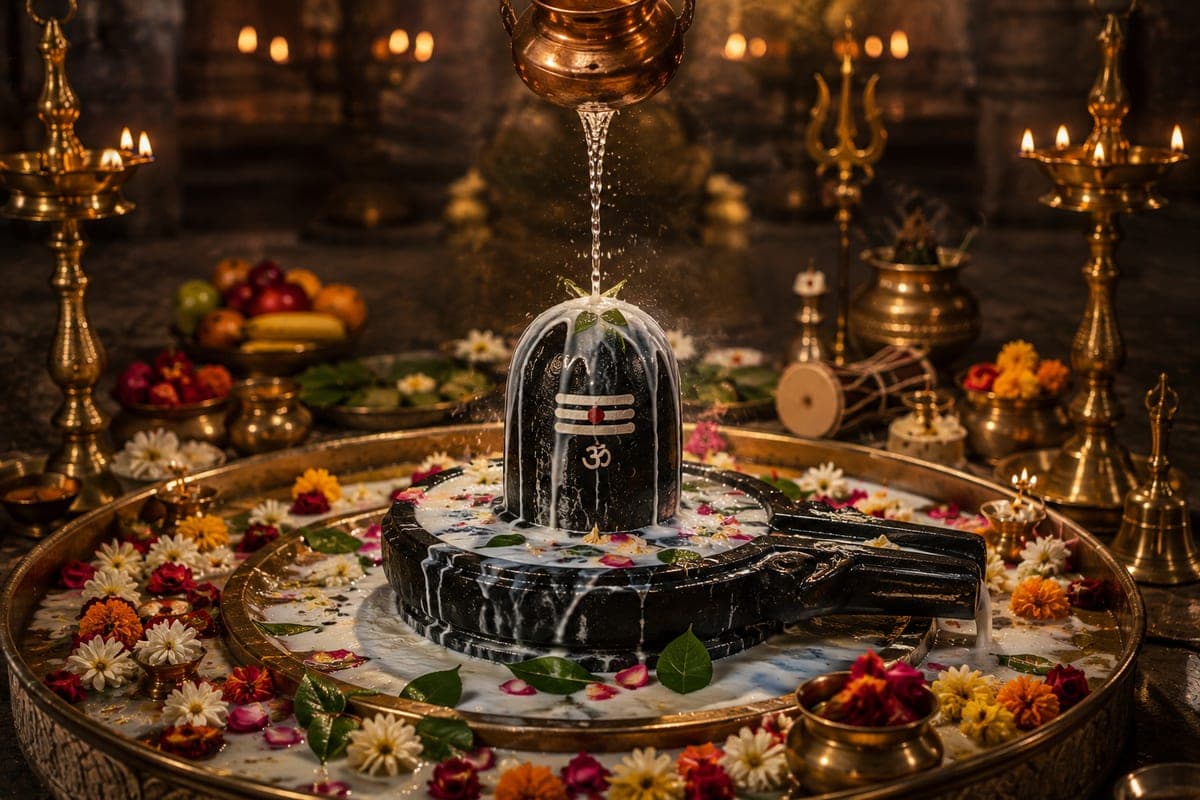
Ganga Jal is used in temple rituals, home worship, and specific ceremonies such as abhishek, valued for its association with purification and blessing. Many households keep a small container of Ganga Jal for use during important occasions. Regional practices around Ganga Jal vary somewhat across India, though its core devotional purpose remains widely recognised among Hindu pilgrims.
Collecting Ganga Jal During a Yatra
Pilgrims visiting Haridwar, Varanasi, or other locations along the Ganges often collect water directly from the river to carry home, sometimes purchasing sealed containers of Ganga Jal from vendors near the ghats as a convenient alternative. Many pilgrims keep a small amount of Ganga Jal from a significant Yatra as a lasting reminder of that particular temple visit.