Fasting, known in Hindi as vrat, is a common practice among Indian pilgrims, often undertaken in the days leading up to a Yatra or on specific auspicious dates such as Ekadashi. Far from being purely about food restriction, fasting is treated as a form of spiritual discipline meant to purify the mind and body before approaching a deity. Understanding this practice helps explain why many pilgrims follow specific dietary rules while travelling to a temple, sometimes adjusting their entire trip itinerary around fasting requirements.
What Is Fasting in Hindu Tradition?
Fasting, or vrat, involves voluntarily abstaining from certain foods, or sometimes all food, for a specific period as an act of religious discipline or devotion. Rules can vary widely, from avoiding grains and salt to consuming only fruits, depending on the tradition, deity being worshipped, or specific occasion such as Ekadashi or Navratri, with some fasts observed for a single day and others extending across several weeks. Regional variations in how Fasting is performed are common across India, reflecting local customs that have developed independently over centuries within different temple traditions.
Why Pilgrims Observe Fasting Before a Yatra
Many pilgrims choose to fast in the days before undertaking a Yatra, viewing it as a way to purify themselves physically and mentally before seeking darshan of a deity. This discipline is also seen as a demonstration of devotion and self-control, aligning the pilgrim's body and mind with the spiritual purpose of the journey ahead, and some pilgrims report feeling a heightened sense of focus and calm as a result of this preparatory discipline. Many families maintain their own personal traditions around Fasting, passed down from grandparents and adapted slightly for each generation while keeping the core practice intact.
Common Fasting Practices During Pilgrimage
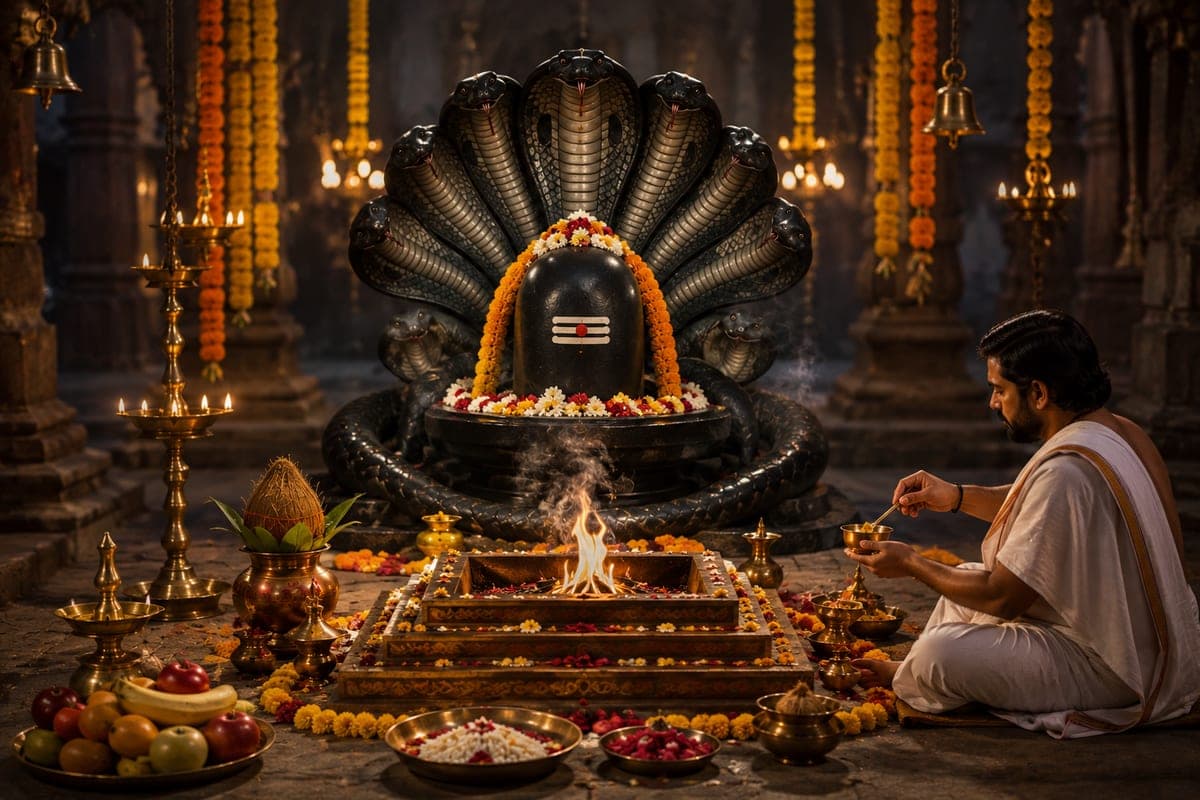
Specific pilgrimage traditions, such as the Ayyappa Yatra to Sabarimala, involve strict multi-week fasting and lifestyle discipline before the journey even begins. Other pilgrims may observe shorter fasts limited to the day of darshan itself. Regardless of duration, fasting during pilgrimage is generally treated as a personal vow, and pilgrims are advised to plan their travel schedule around their specific fasting requirements, particularly if the fast involves restrictions on food or water intake during physically demanding parts of the trek. Priests performing rituals connected to Fasting are generally happy to briefly explain the steps involved to curious pilgrims, particularly at quieter temples with fewer visitors during the day.