The general term dravya covers the various substances and materials used across Hindu ritual, from water and ghee to specific herbs offered during a havan. Understanding this broader category helps pilgrims connect the many individual items they encounter to a shared underlying concept.
What Does Dravya Mean?
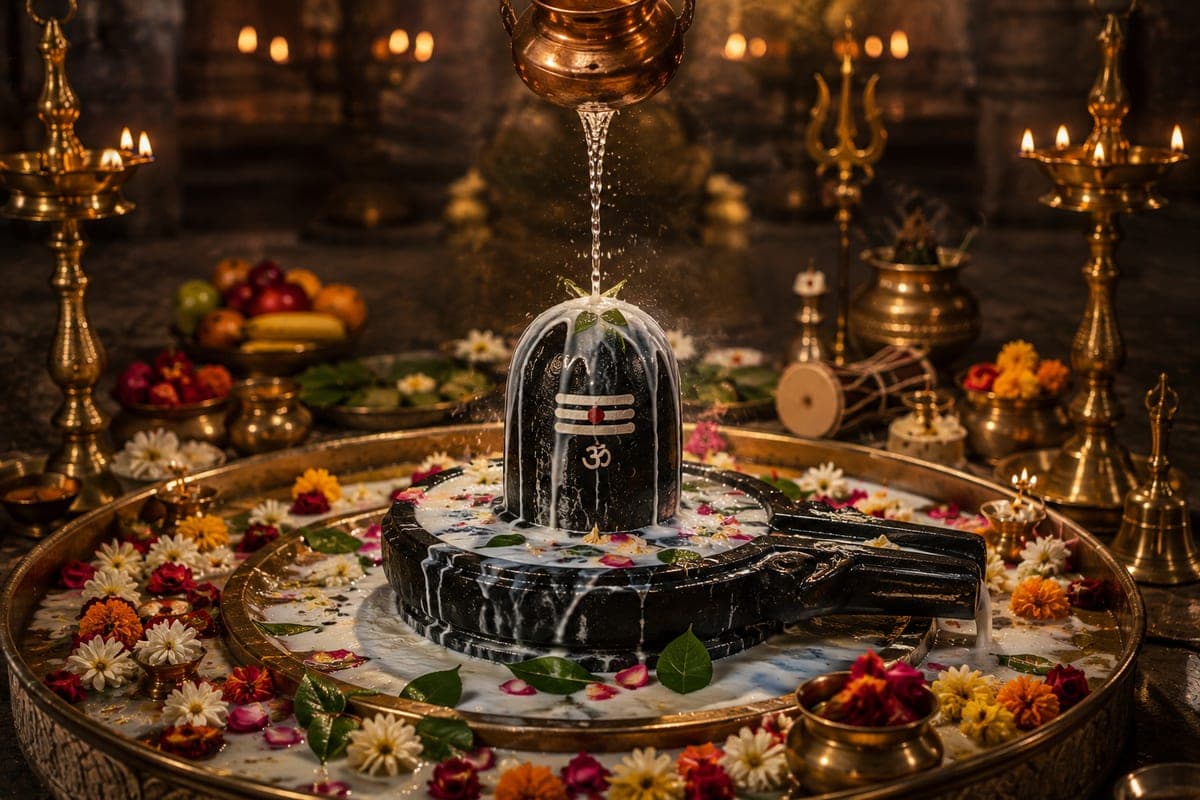
Dravya refers broadly to a substance or material, used within Hindu ritual contexts to describe the various physical items, such as water, ghee, flowers, or specific herbs, offered or used during worship and ceremonies. Many pilgrims keep a small amount of Dravya from a significant Yatra as a lasting reminder of that particular temple visit.
Dravya in Puja and Havan
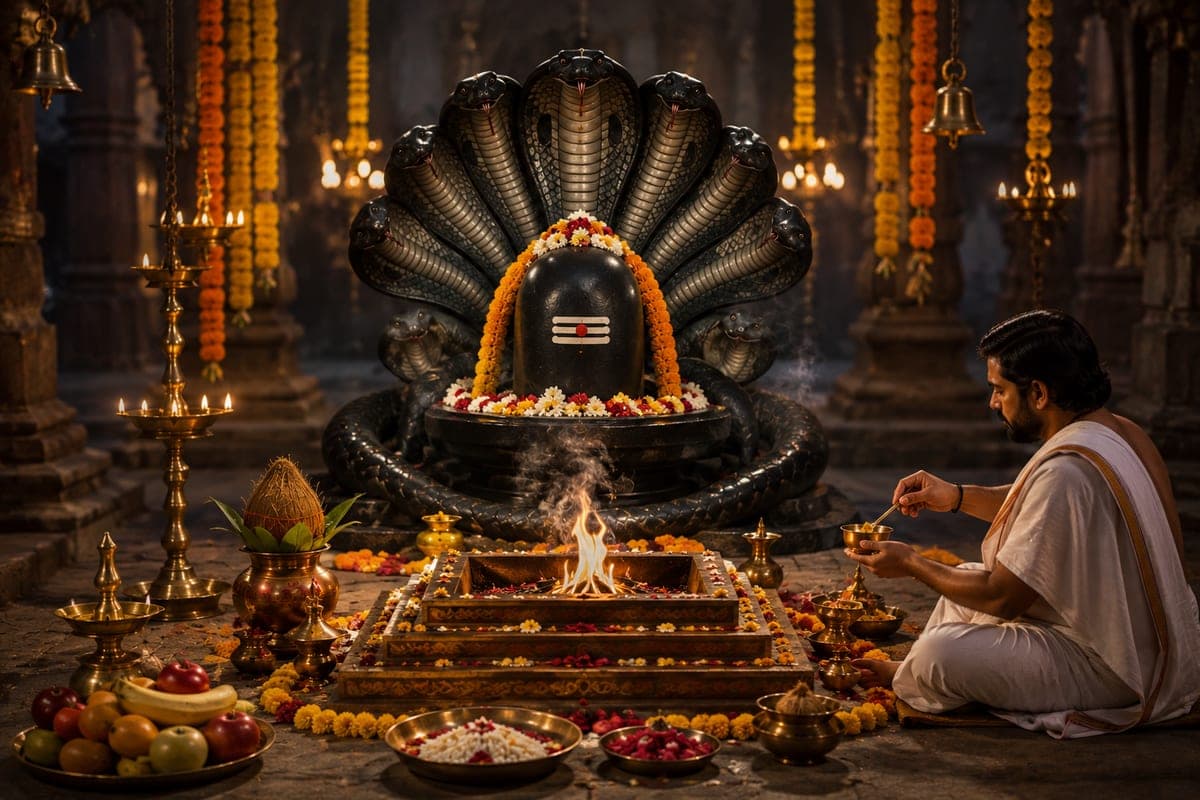
Nearly every ritual, from a simple puja to an elaborate havan, involves specific dravya prescribed for that particular ceremony, with priests trained to know which substances are required for different occasions and purposes. Regional practices around Dravya vary somewhat across India, though its core devotional purpose remains widely recognised among Hindu pilgrims.
Dravya and Pilgrimage Rituals
Pilgrims sponsoring a specific ritual during their Yatra generally rely on the temple priest's knowledge of the correct dravya required, though understanding this general term helps clarify why particular items are used for specific ceremonies. Vendors near many temples sell Dravya to pilgrims, and priests can usually explain the correct way to use it during a visit.