Alongside agarbatti, many temples also use dhoop, a resin-based incense burned to create fragrant smoke during rituals. Understanding the difference between these two similar offerings helps pilgrims appreciate the range of items involved in a typical temple aarti.
What Is Dhoop?
Dhoop is a resin-based incense, made from natural ingredients such as tree resins and herbs, burned as loose granules over charcoal or shaped into a solid cone or stick, producing a dense, fragrant smoke used in worship. Regional practices around Dhoop vary somewhat across India, though its core devotional purpose remains widely recognised among Hindu pilgrims.
Dhoop Versus Agarbatti
While agarbatti refers specifically to a fragrant paste applied to a thin bamboo stick, dhoop is typically a solid resin-based substance burned without a stick, often producing a thicker, more intense fragrance used during more elaborate rituals. Vendors near many temples sell Dhoop to pilgrims, and priests can usually explain the correct way to use it during a visit.
Dhoop During Temple Rituals
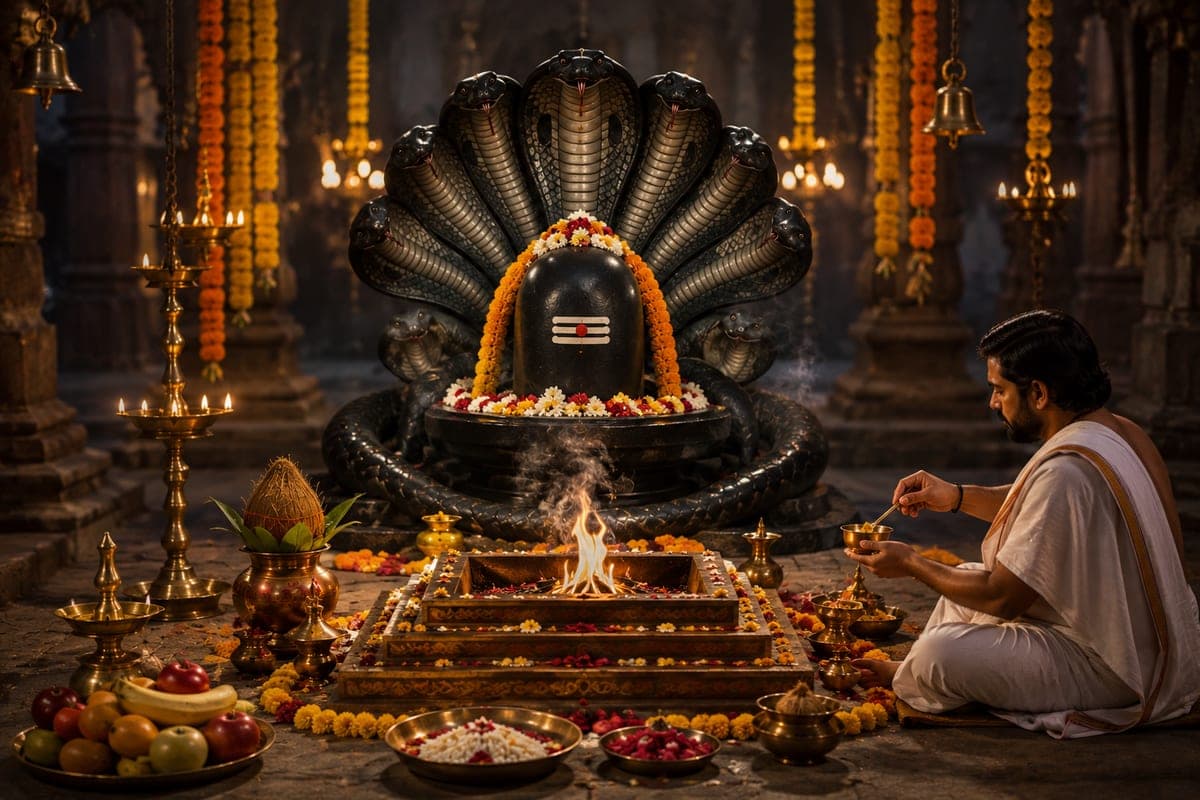
Dhoop is commonly used alongside diya and agarbatti during aarti, with priests sometimes carrying a dhoop burner around the temple as part of the ritual, filling the space with fragrant smoke as an offering to the deity. Many pilgrims keep a small amount of Dhoop from a significant Yatra as a lasting reminder of that particular temple visit.