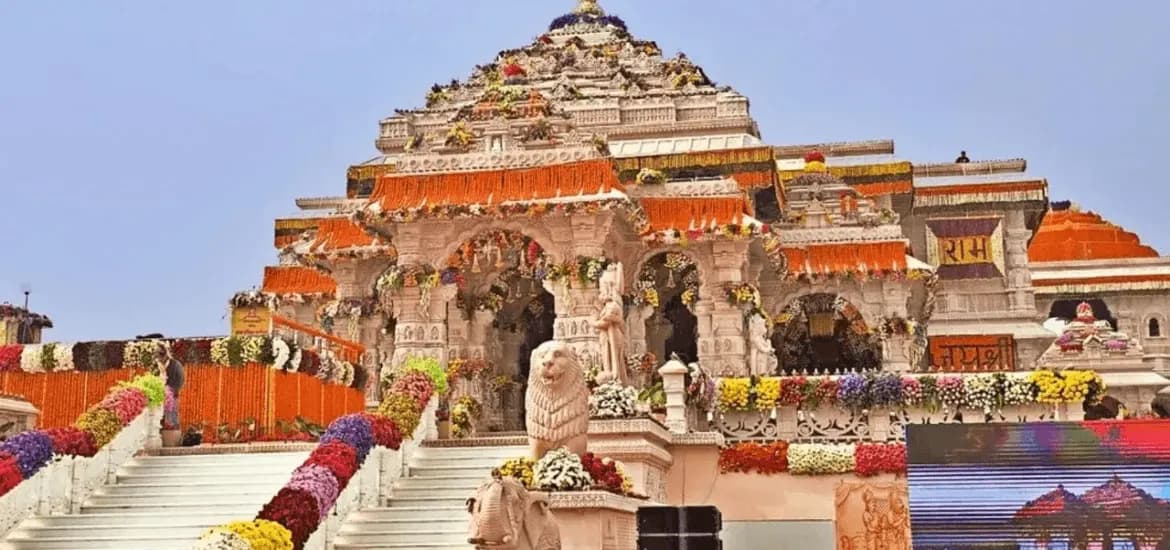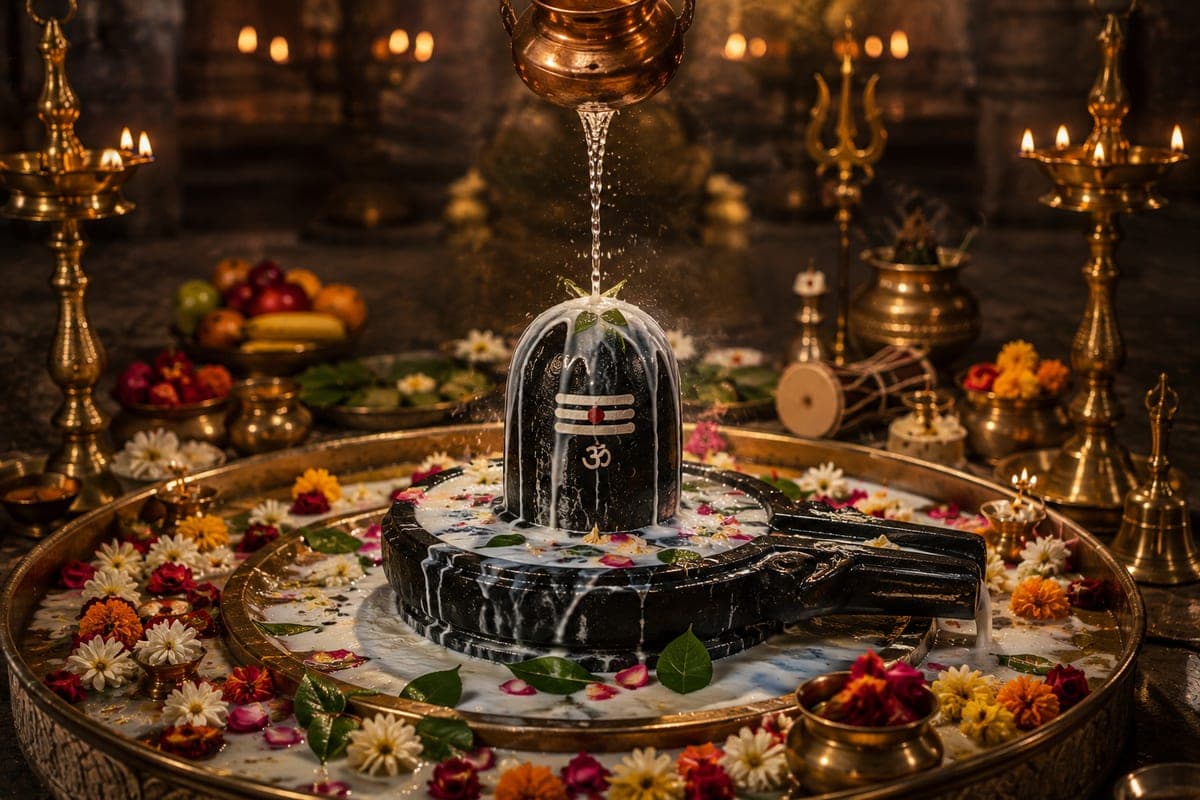
The term devsthan, or devasthanam, literally meaning 'abode of the divine', is used across India both as a general word for temple and within the formal names of temple administrative bodies. Understanding this term helps pilgrims recognise its appearance in official trust names encountered during their Yatra.
What Does Devsthan Mean?
Devsthan, or devasthanam, translates literally to 'abode of the divine', used broadly across Indian languages as a general term for a temple or sacred site where a deity is believed to reside. Local trusts overseeing sites connected to Devsthan often publish visiting hours and seasonal guidance useful for pilgrims planning ahead.
Devsthan in Temple Trust Names
This term appears formally in the names of several major temple administrative bodies, most notably Tirumala Tirupati Devasthanams, reflecting its established use as an institutional as well as general descriptive term. The atmosphere around Devsthan is often considered part of its appeal, drawing pilgrims seeking a quieter, more reflective stop on their journey.
Devsthan and Everyday Pilgrimage Language
Pilgrims across many regions use devsthan or devasthanam interchangeably with temple or mandir in everyday conversation, making it a useful term to recognise when researching or discussing pilgrimage destinations during a Yatra. Pilgrims often combine a visit to Devsthan with darshan at a nearby temple as part of a single day's Yatra itinerary.