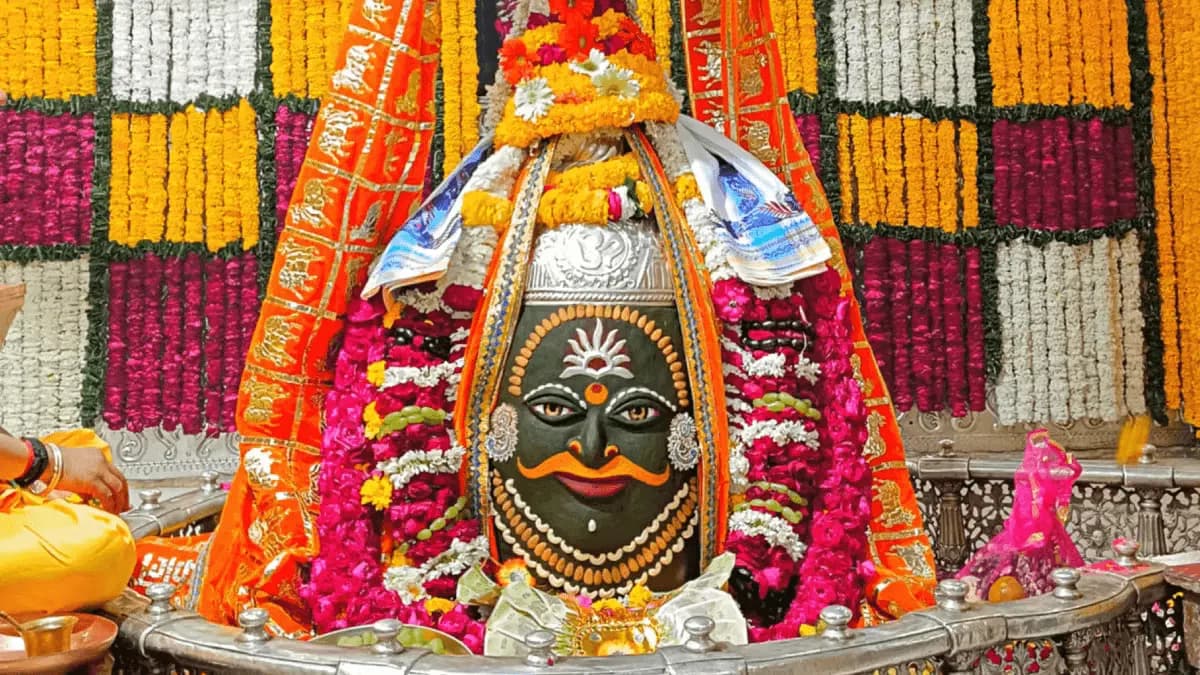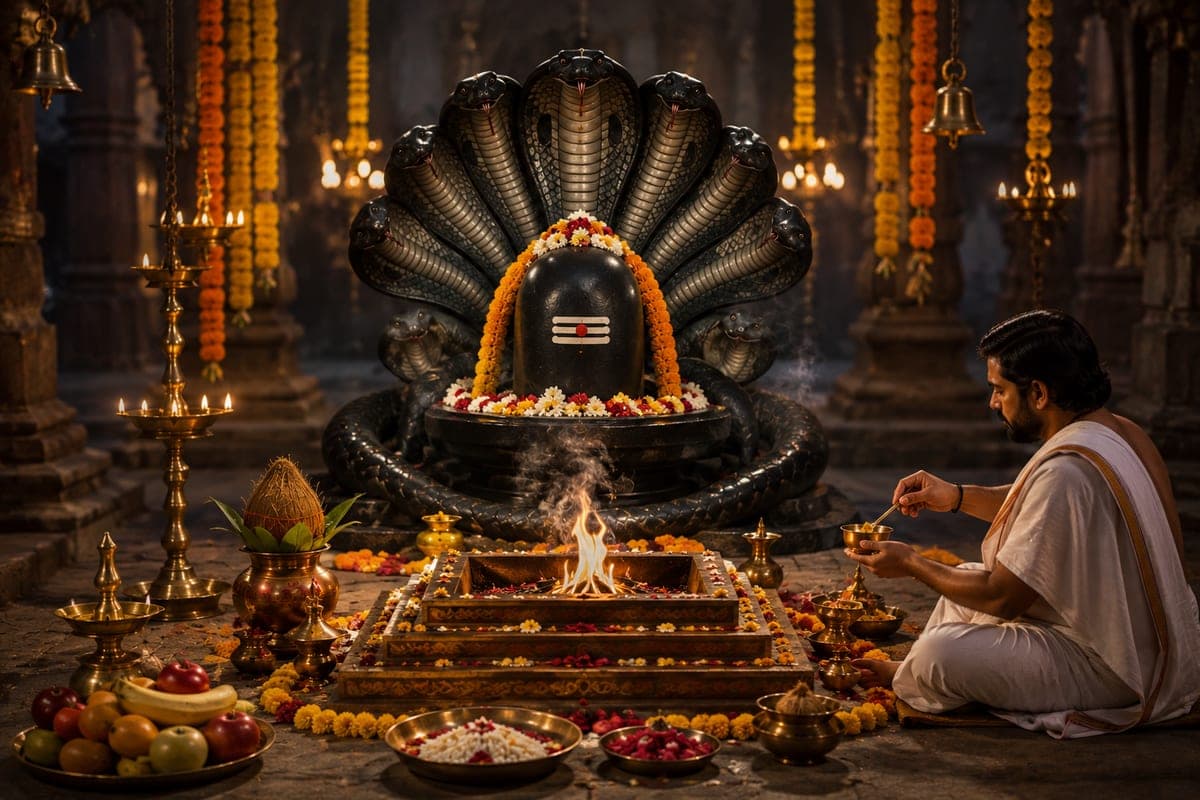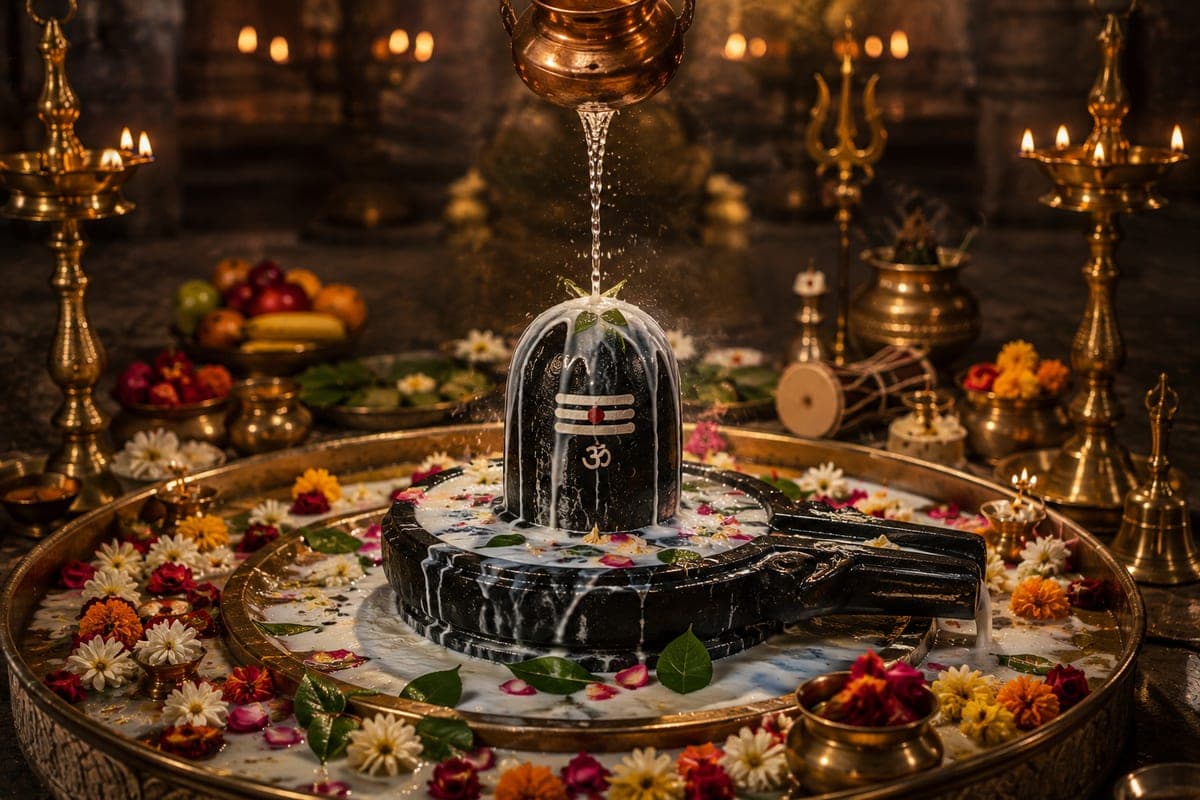
Ask any pilgrim why they travelled to a particular temple, and the answer often comes down to darshan. This term describes the act of seeing, and being seen by, the deity enshrined within the sanctum. Far more than simple sightseeing, darshan is considered a spiritually significant moment that many pilgrims travel long distances and wait in queues for hours to experience, making it the emotional core of most Yatra journeys and often the single moment a pilgrim remembers most vividly long after the trip has ended.
What Does Darshan Mean?
Darshan translates roughly to 'sight' or 'viewing', but in a religious context it refers specifically to the devotee's opportunity to view the deity's image within the temple sanctum. Hindu tradition holds that this viewing is mutual, meaning the deity also sees and blesses the devotee in that moment. This belief is central to why darshan is treated as a deeply personal and significant part of temple worship, rather than a passive visual experience, and why pilgrims often describe a strong emotional reaction upon finally reaching the sanctum after a long wait. The concept extends beyond temples too, with respected saints, gurus, and even sacred rivers or mountains sometimes described as offering their own form of darshan to devotees. Temple staff overseeing Darshan generally appreciate pilgrims who ask questions politely rather than assuming procedures, since rules can differ meaningfully from one temple to the next.
Why Darshan Is Central to Temple Visits
For most pilgrims, reaching the sanctum for darshan is the primary goal of visiting a temple, often outweighing interest in the surrounding architecture or history. Major pilgrimage sites can see darshan queues lasting several hours, especially during festivals or auspicious days, reflecting how central this moment is considered to be. Many temples also offer special darshan timings for specific rituals, such as early morning or late evening aarti, which some pilgrims specifically plan their arrival around to experience a particularly significant version of the ritual. Some devotees also believe that darshan received during a specific festival or planetary alignment carries added spiritual significance, which explains the especially large crowds seen at certain temples on particular dates each year. Many pilgrims find that keeping a flexible schedule around Darshan helps absorb unexpected delays without disrupting the rest of their planned Yatra itinerary.
Types of Darshan Available to Pilgrims
Temples often provide multiple darshan options, including free general darshan, paid special darshan with shorter queues, and VIP darshan for faster access. Some temples also offer online darshan slot booking to manage crowds, particularly at high-traffic pilgrimage sites such as Tirupati or Vaishno Devi. Understanding these options in advance can help pilgrims plan their visit according to time constraints, budget, and physical ability to stand in long queues, especially when travelling with elderly family members or young children. Some pilgrimage destinations also offer a live video darshan option for devotees unable to travel in person, streamed directly from the sanctum, though most pilgrims still consider an in-person visit an essential part of completing their Yatra. Regular devotees who have experienced Darshan many times often advise first-time pilgrims to remain patient, since crowd levels and wait times can vary considerably depending on the day and season.
What to Expect During Darshan
During darshan, pilgrims typically move through a queue system before briefly standing before the deity's image, often for only a few seconds due to crowd volume. Photography is commonly restricted inside the sanctum, and pilgrims are expected to maintain quiet, respectful behaviour throughout. After darshan, many temples distribute prasad, marking the completion of this central ritual before pilgrims move on to other parts of their Yatra. Some pilgrims choose to pause briefly just outside the sanctum to say a personal prayer before rejoining the flow of the crowd, treating that final moment as an extension of the darshan experience itself.