Among the natural materials used in Hindu ritual, darbha grass holds particular significance, especially in ceremonies connected to ancestral rites. Pilgrims performing shraddha or similar rituals during their Yatra may encounter this specific grass as part of the prescribed ritual materials.
What Is Darbha?
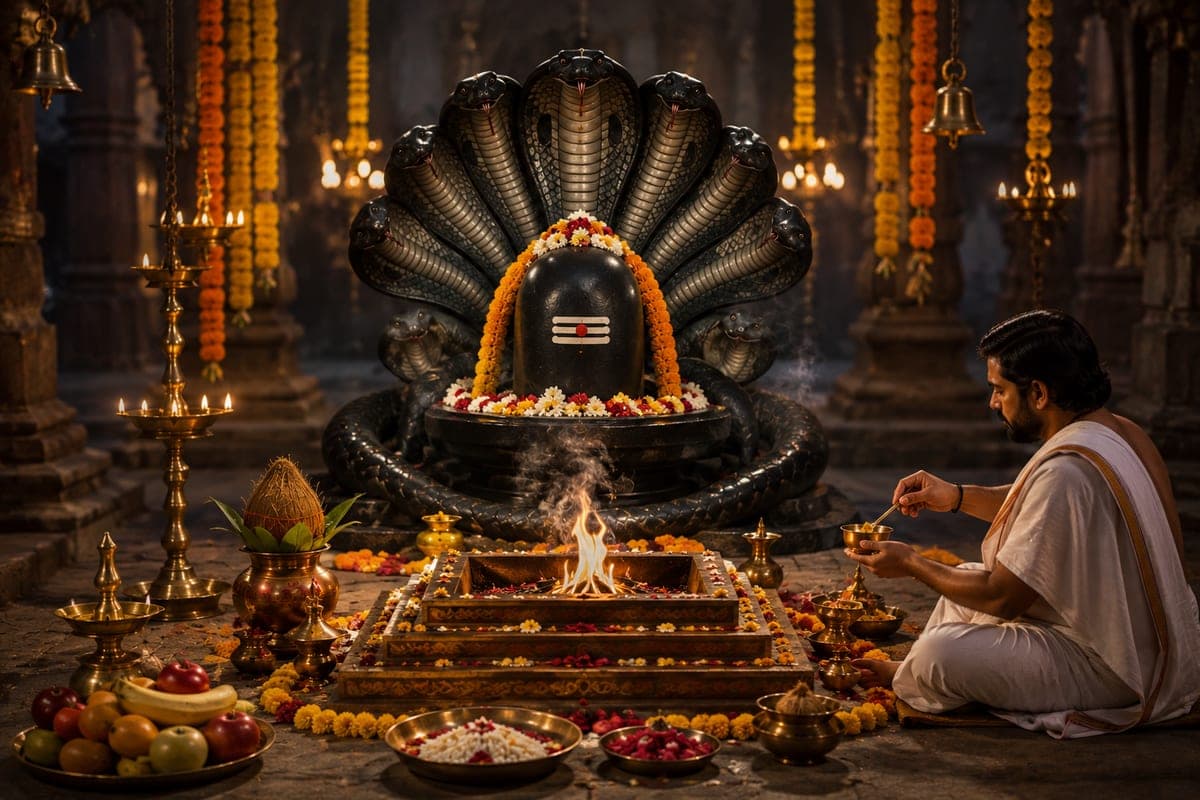
Darbha is a specific type of grass considered sacred and ritually pure in Hindu tradition, used in various ceremonies including ancestral rites, havan, and certain forms of puja, often worn as a ring on the finger during rituals. Regional practices around Darbha vary somewhat across India, though its core devotional purpose remains widely recognised among Hindu pilgrims.
Darbha in Ancestral Rites
This grass is particularly associated with shraddha and other ceremonies honouring deceased ancestors, where it is used both as a ritual object and worn by the person performing the ceremony as a mark of ritual purity. Vendors near many temples sell Darbha to pilgrims, and priests can usually explain the correct way to use it during a visit.
Darbha During Pilgrimage Rituals
Pilgrims performing shraddha at sites such as Gaya typically have darbha provided by the officiating priest as part of the standard ritual materials required, following the specific procedure passed down for this particular ceremony. Many pilgrims keep a small amount of Darbha from a significant Yatra as a lasting reminder of that particular temple visit.