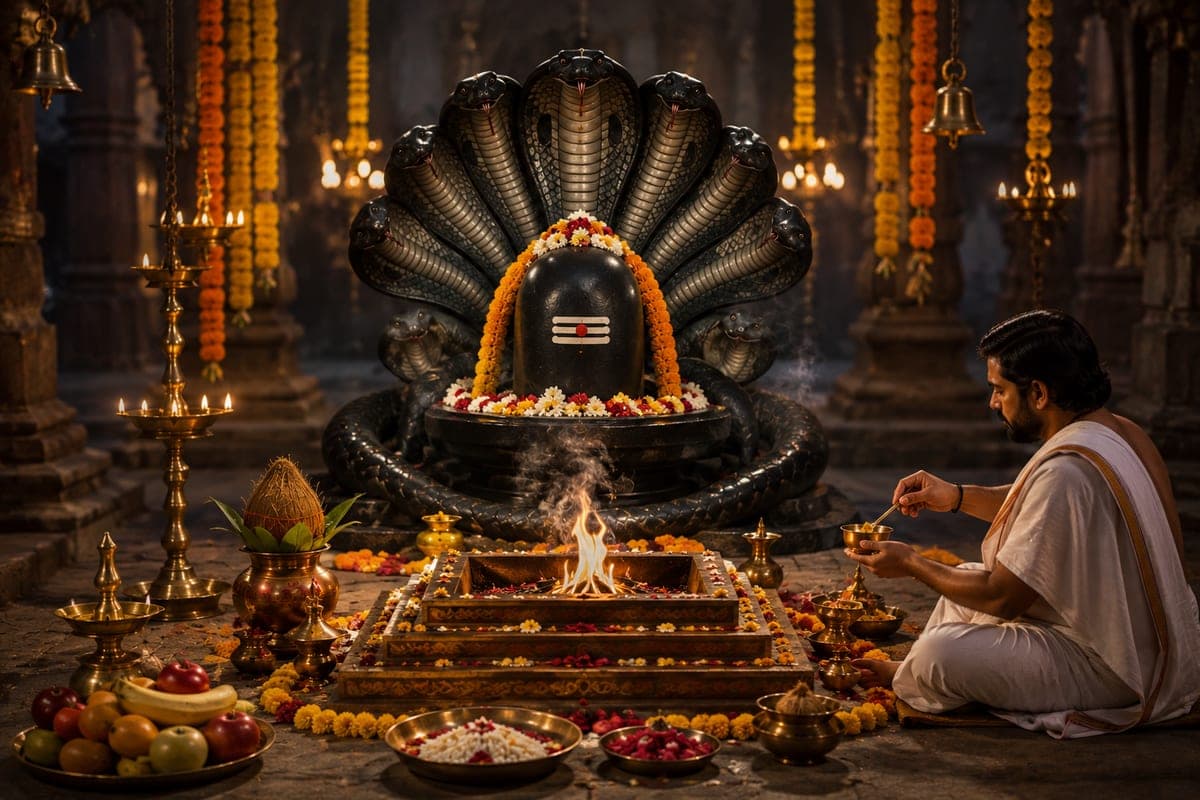
After a priest completes a ritual, it is customary for the sponsoring devotee to offer dakshina, a gesture of gratitude distinct from any formal temple donation. Pilgrims sponsoring a puja or ceremony during their Yatra generally follow this tradition to properly conclude the ritual.
What Is Dakshina?
Dakshina refers to a monetary or material offering given directly to a priest as a gesture of gratitude for performing a ritual, considered distinct from a formal donation made to the temple's general funds. Many pilgrims specifically arrange Dakshina during their Yatra to mark a personal intention, vow, or family occasion.
Why Dakshina Is Given
Offering dakshina reflects a tradition of honouring the priest's role and expertise in correctly performing the ritual, with the amount typically left to the devotee's discretion based on their means and the ritual's significance. The exact steps involved in Dakshina can vary somewhat between temples, though the underlying devotional purpose remains broadly consistent across India.
Giving Dakshina During a Yatra
Pilgrims sponsoring a personalised ritual such as archana or a havan generally offer dakshina directly to the officiating priest upon completion, and temple staff can usually advise on a reasonable customary amount if a pilgrim is uncertain. Priests performing Dakshina are generally willing to briefly explain the ritual to curious pilgrims, particularly at quieter, less crowded temples.