Every Hindu temple follows a structured schedule of daily rituals, treating the deity much like a revered guest requiring care throughout the day. For pilgrims, understanding this rhythm helps explain why darshan is available only at certain hours during a Yatra.
What Do Daily Rituals Involve?
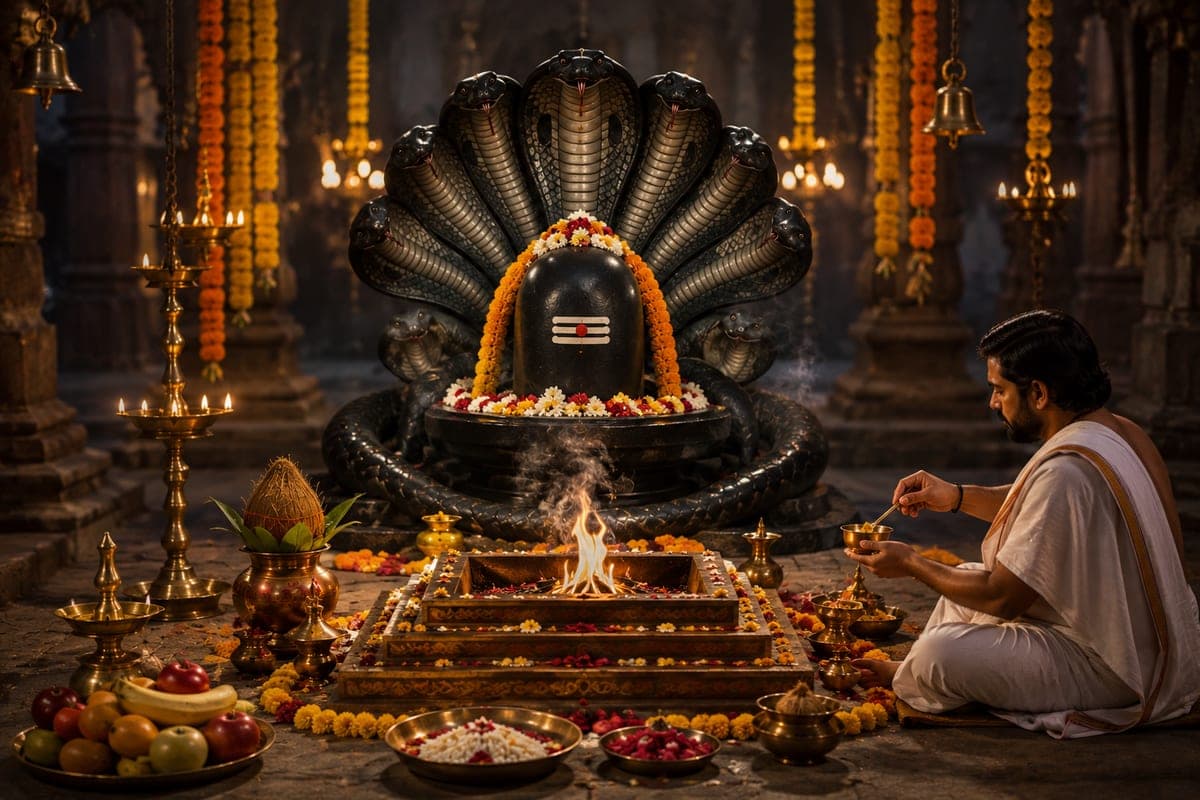
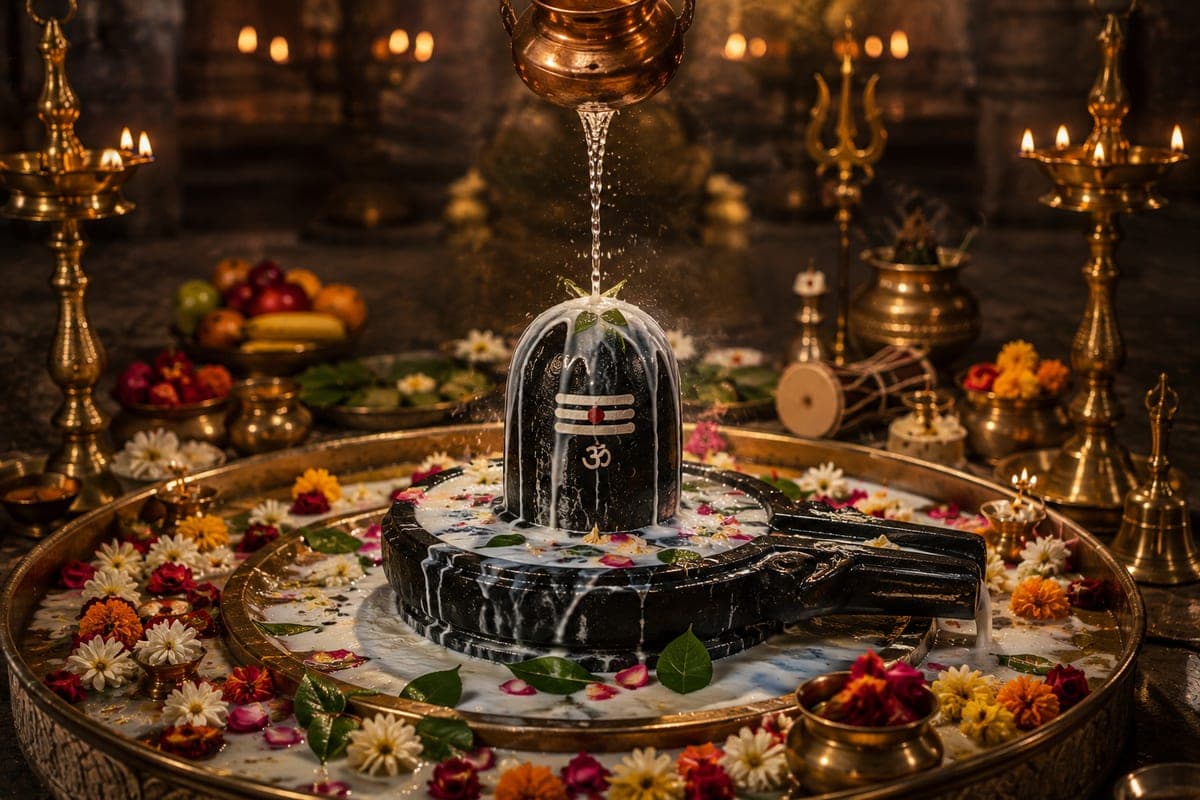
Daily rituals at a temple typically include waking the deity in the morning, ritual bathing, dressing and decorating the idol, offering food as naivedyam, and performing aarti at set times throughout the day, following a sequence maintained by temple priests. Priests performing Daily Rituals are generally willing to briefly explain the ritual to curious pilgrims, particularly at quieter, less crowded temples.
Why Daily Rituals Shape Darshan Timings
Because these rituals require dedicated time, temples typically close briefly between sessions, meaning darshan is only available during specific windows. Pilgrims planning a Yatra should check a temple's specific daily schedule to avoid arriving during a closed period. The exact steps involved in Daily Rituals can vary somewhat between temples, though the underlying devotional purpose remains broadly consistent across India.
Daily Rituals and the Pilgrim Experience
Some pilgrims specifically plan their visit to coincide with a particular daily ritual, such as the morning waking ceremony or evening aarti, considering these moments especially significant. Understanding the daily rhythm helps pilgrims get the most out of their temple visit. Many pilgrims specifically arrange Daily Rituals during their Yatra to mark a personal intention, vow, or family occasion.