Among the practical yet symbolically significant items used in Hindu ritual, the copper lota holds a distinctive place, valued both for its function and the traditional belief in copper's purifying properties. Pilgrims frequently purchase this item during their Yatra as a lasting piece for home worship.
What Is a Copper Lota?
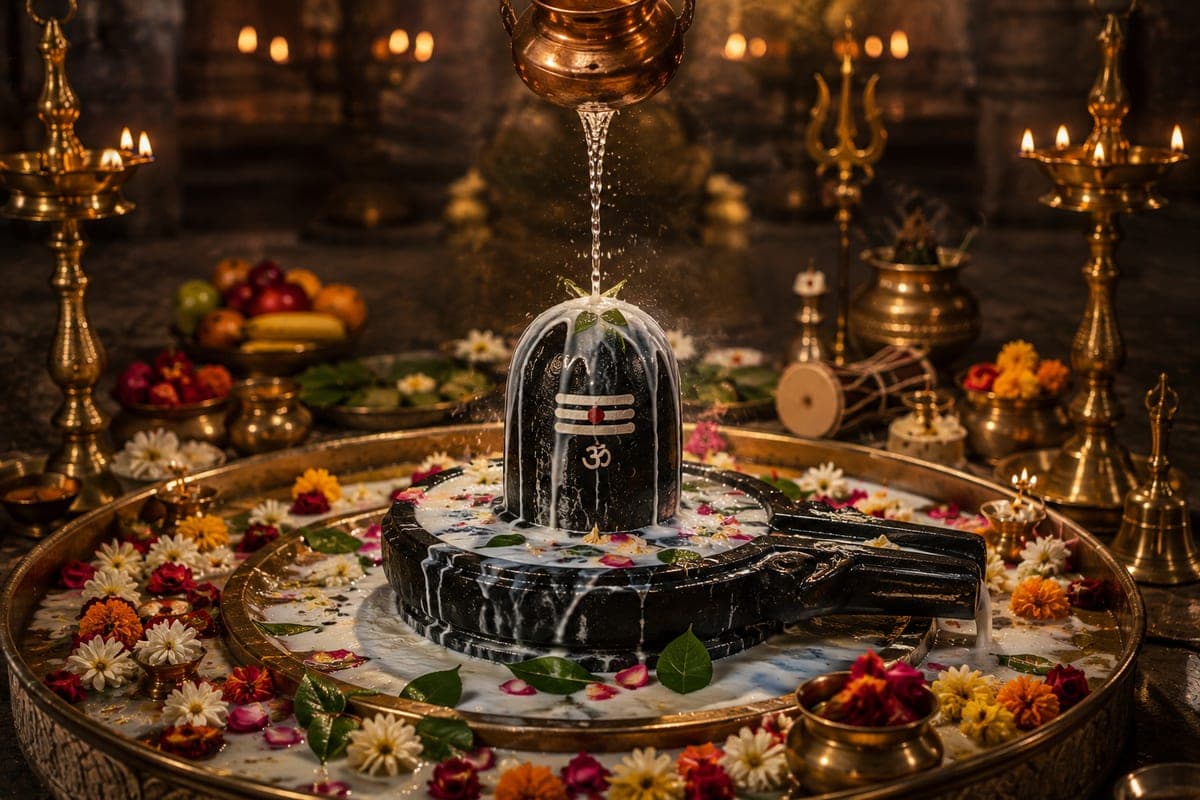
A copper lota is a small, rounded vessel made of copper, traditionally used to hold and pour water during Hindu rituals, valued for its durability and the traditional significance attributed to copper as a ritually pure metal. Regional practices around Copper Lota vary somewhat across India, though its core devotional purpose remains widely recognised among Hindu pilgrims.
Why Copper Is Used in Ritual Vessels
Copper is traditionally considered to have purifying properties within Hindu practice, making it a preferred material for ritual water vessels compared to other metals, particularly for daily worship and specific ceremonial uses. Vendors near many temples sell Copper Lota to pilgrims, and priests can usually explain the correct way to use it during a visit.
Buying a Copper Lota During a Yatra
Many pilgrims purchase a copper lota as a practical and meaningful item during their Yatra, intending to use it for daily puja at home, extending the significance of their pilgrimage into ongoing personal worship. Many pilgrims keep a small amount of Copper Lota from a significant Yatra as a lasting reminder of that particular temple visit.