The cooling fragrance of chandan, or sandalwood paste, is closely associated with Hindu temple rituals, applied both to deities as an offering and to devotees as a mark of blessing. Pilgrims frequently encounter this practice during darshan, when a priest applies a small mark of chandan to their forehead as part of the temple visit, a gesture many pilgrims come to associate strongly with the completion of their darshan.
What Is Chandan?
Chandan refers to sandalwood paste, made by grinding sandalwood into a fine paste, often mixed with water or other substances, and used extensively in Hindu religious rituals. Its natural fragrance and cooling properties have made it a valued offering material for centuries, used both in temple worship and personal puja practices, and considered one of the more premium items used in ritual offerings due to the cost of genuine sandalwood. The symbolism attached to Chandan is often explained to visiting pilgrims by temple priests, particularly for those encountering the object or practice for the first time during their Yatra.
Use of Chandan in Rituals
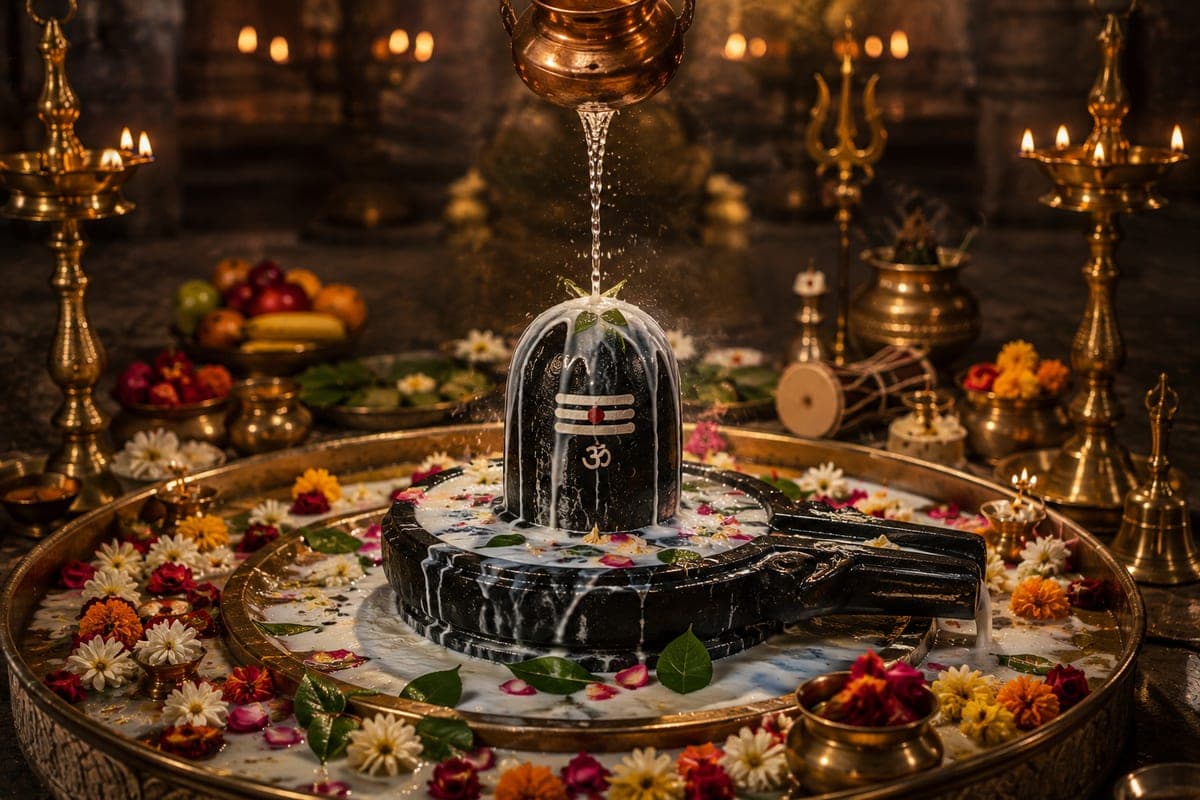
During puja and abhishek, chandan is commonly applied directly to a deity's image as an offering, alongside other items like flowers and incense. It is also frequently used to create a tilak, a mark applied to the forehead, which can indicate sectarian affiliation or simply serve as a blessing received during darshan, with the specific style of tilak sometimes varying noticeably between different temple traditions. Pilgrims often ask temple staff for guidance on authentic sourcing when purchasing items related to Chandan, given the number of vendors operating near busier pilgrimage destinations.
Chandan During Temple Visits
Pilgrims visiting many temples will have chandan applied to their forehead by a priest as part of the darshan process, considered both a blessing and a mark of having completed the temple ritual. Some pilgrimage regions known for sandalwood, such as parts of South India, also see chandan used more elaborately in temple decoration and festival rituals, sometimes covering an entire deity's image during a special festival occasion. Local artisans near many pilgrimage sites continue to produce items connected to Chandan using techniques passed down through generations, adding a further layer of tradition to the object itself.