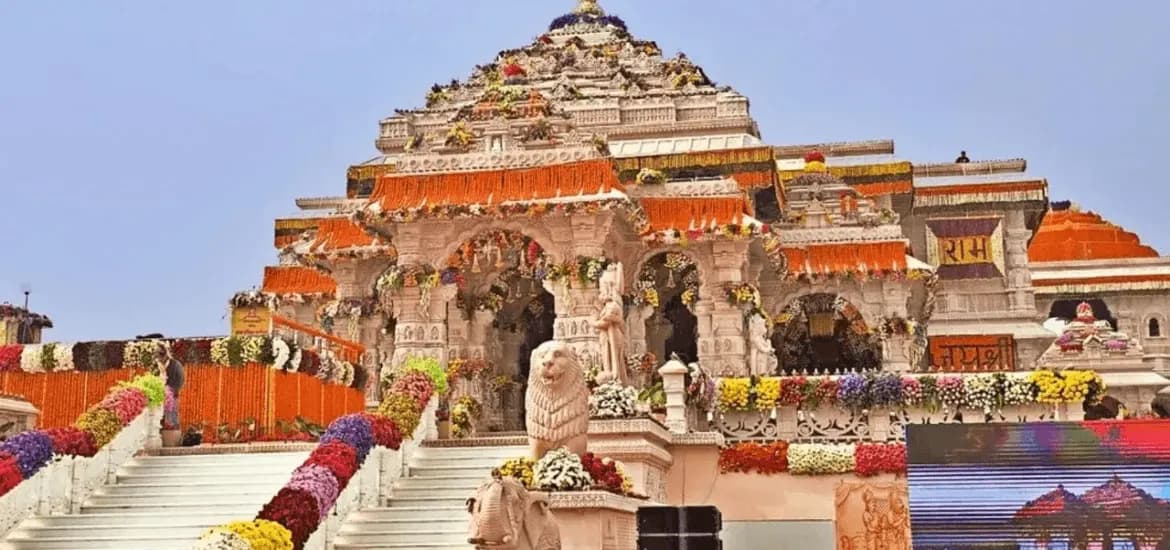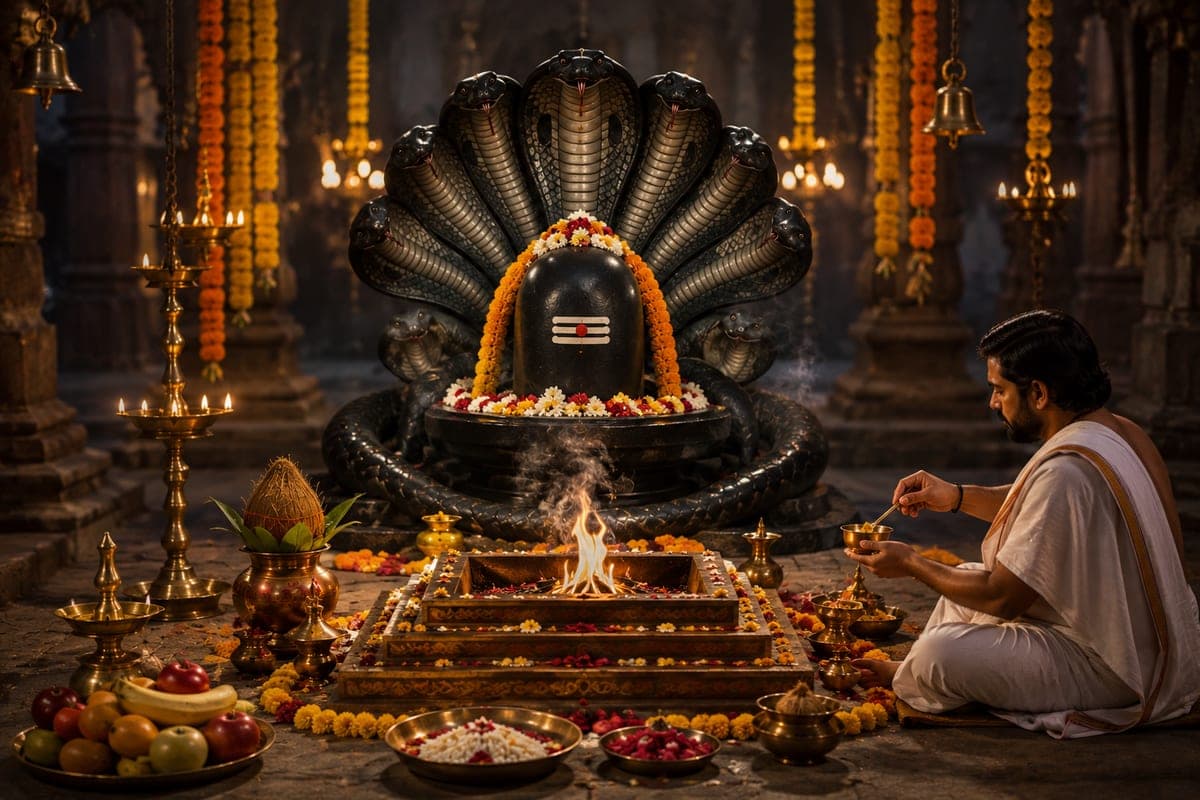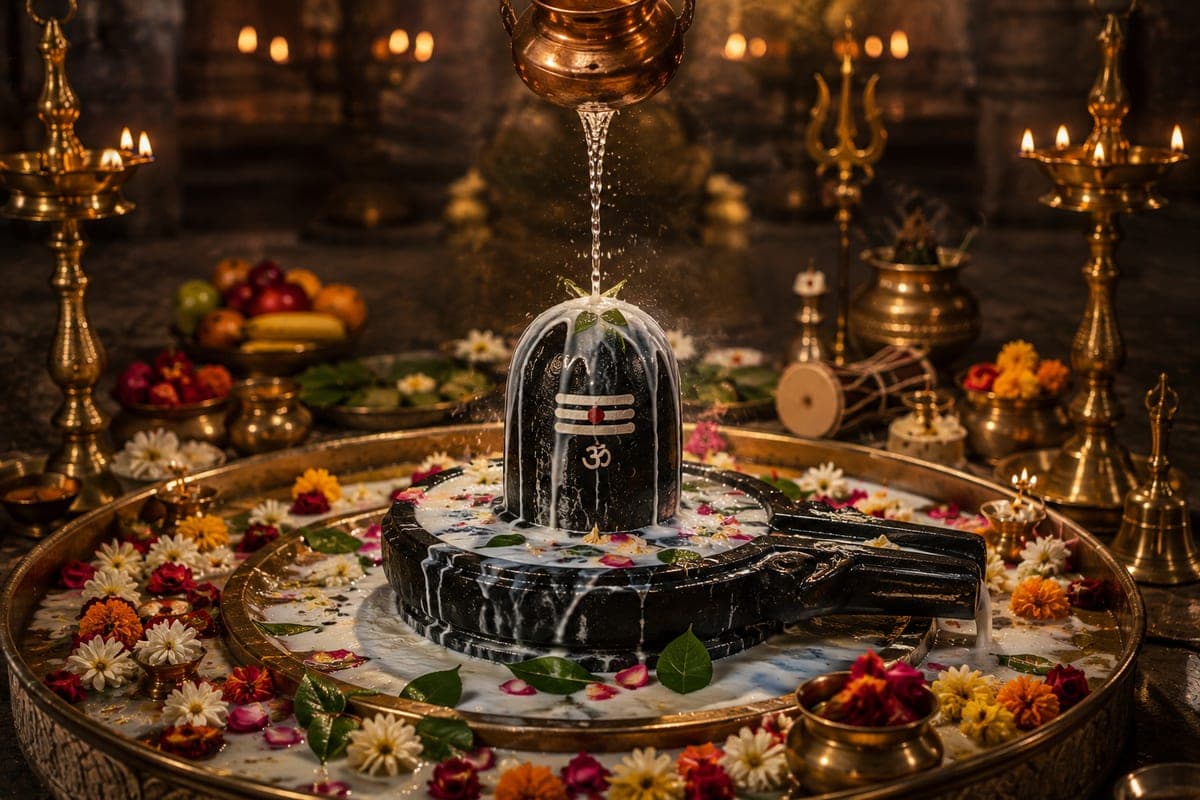
Walking through any major temple, it's common to see stalls selling garlands, cloth, and sweets meant specifically as chadhava — offerings pilgrims present to the deity as part of their visit. Knowing what chadhava is and when it's typically given makes the practice easier to follow at any temple.
What is Chadhava?
Chadhava (literally, "that which is offered") refers to anything a devotee places before a deity at a temple — garlands, cloth, coconut, sweets, or money — as an act of devotion.
When Chadhava is offered
It's commonly offered as thanksgiving after a mannat (a vow or wish) is fulfilled, though many devotees offer it simply as a routine part of darshan.
What pilgrims typically offer
The specific chadhava offered often depends on the deity and the local tradition of the temple — a red chunari (cloth) and bangles at a Devi temple, a coconut and betel leaves at a Vishnu temple, or bel leaves at a Shiva temple. Most temples have shops just outside selling ready chadhava sets, so pilgrims rarely need to bring items from home.