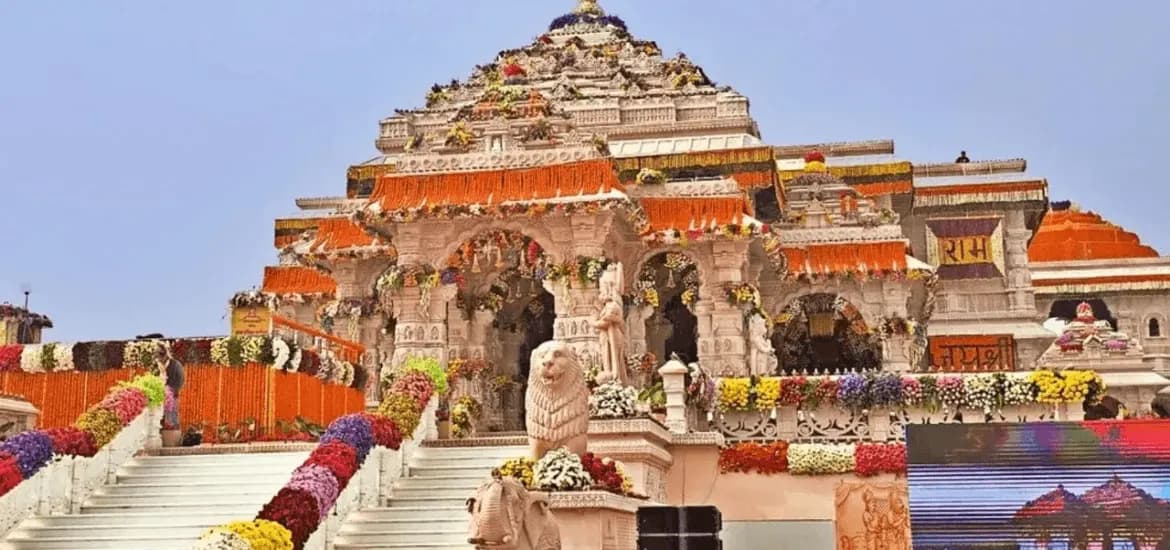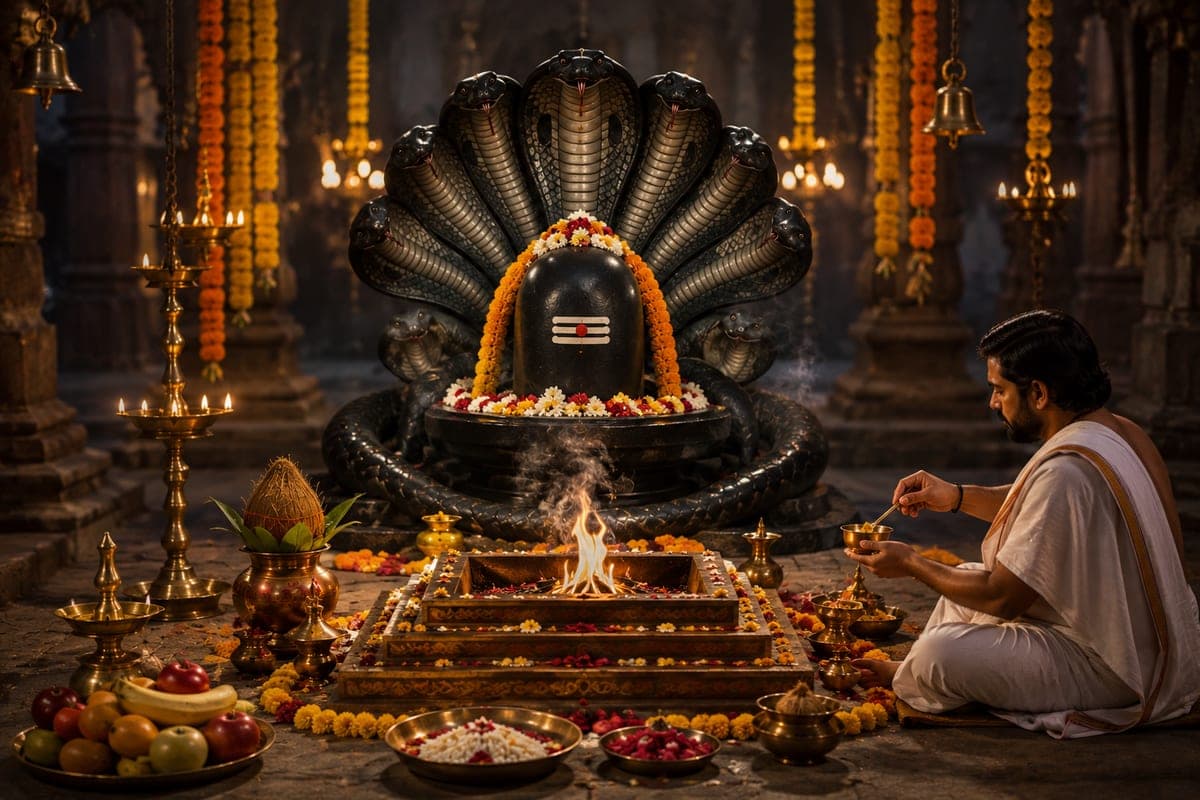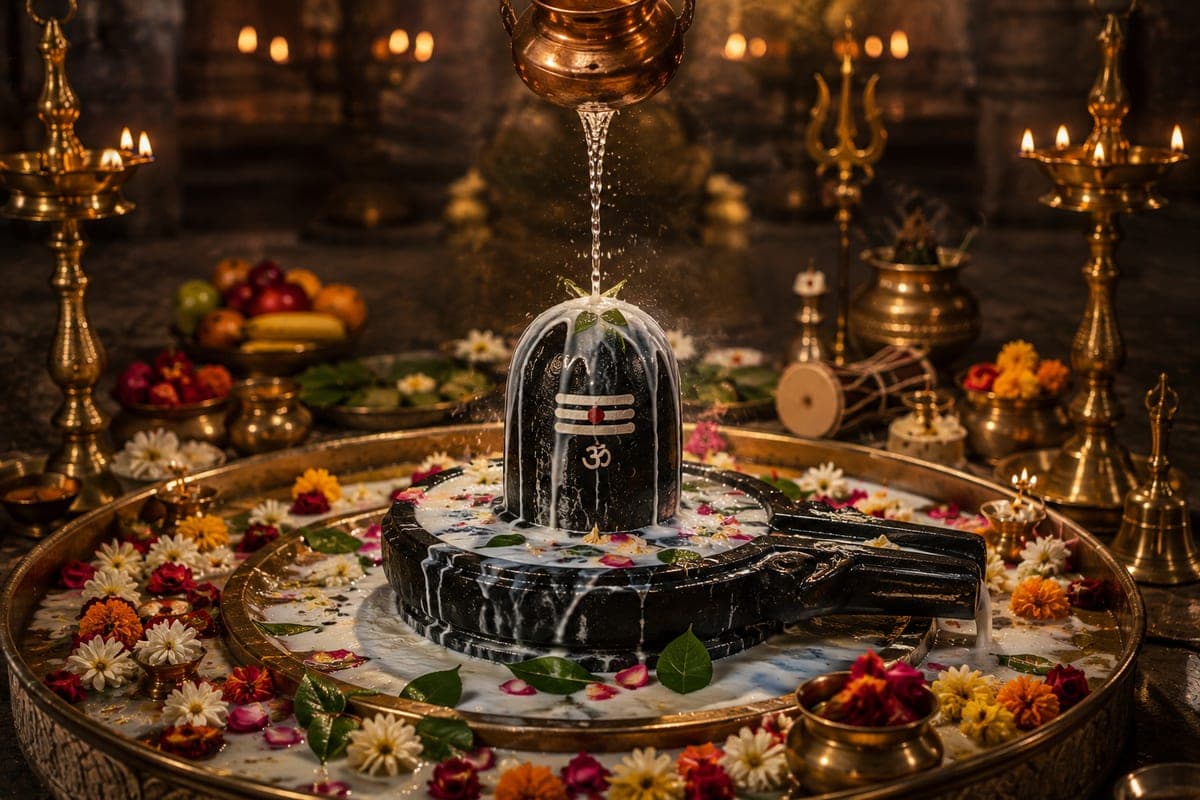
Across much of India, the general term bhog is used to describe food offered to a deity, forming a routine yet significant part of daily temple worship. Understanding this broad term helps pilgrims connect it to more specific practices like naivedyam and rajbhog encountered during their Yatra.
What Does Bhog Mean?
Bhog is a general term referring to food offered to a deity as part of worship, ranging from a simple daily offering to more elaborate spreads prepared for festivals, later distributed to devotees as prasad. The exact steps involved in Bhog can vary somewhat between temples, though the underlying devotional purpose remains broadly consistent across India.
Bhog as a Daily Temple Practice
Most temples offer bhog to their main deity at set times each day, following a schedule that shapes the temple's overall daily rhythm and determines when darshan may be temporarily paused for this ritual. Priests performing Bhog are generally willing to briefly explain the ritual to curious pilgrims, particularly at quieter, less crowded temples.
Bhog and Prasad for Pilgrims
After being offered as bhog, food is distributed to pilgrims as prasad, extending the significance of this daily ritual beyond the temple itself and into the hands of visiting devotees completing their darshan. Many pilgrims specifically arrange Bhog during their Yatra to mark a personal intention, vow, or family occasion.