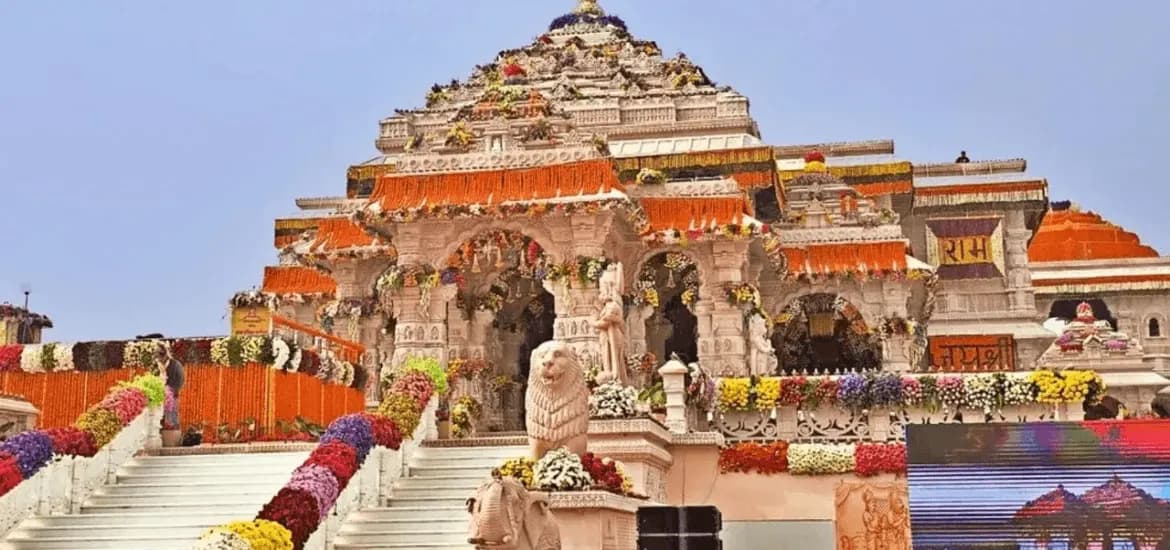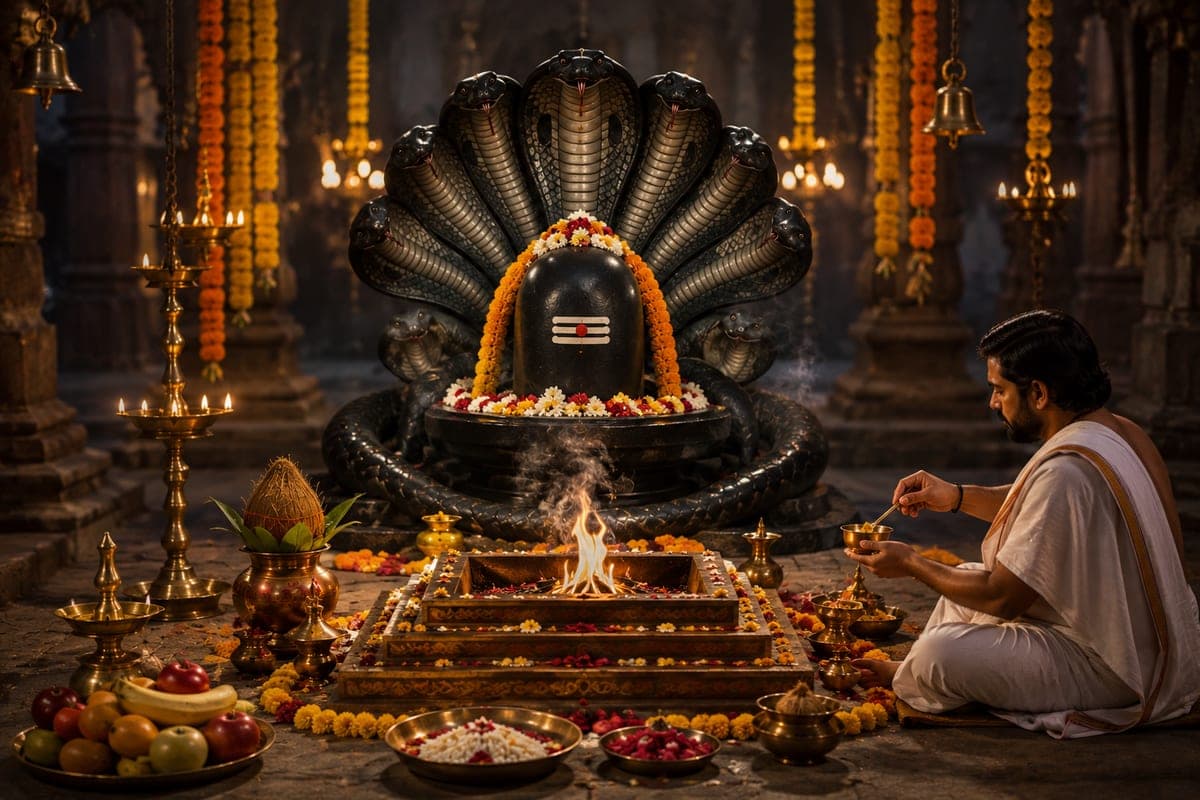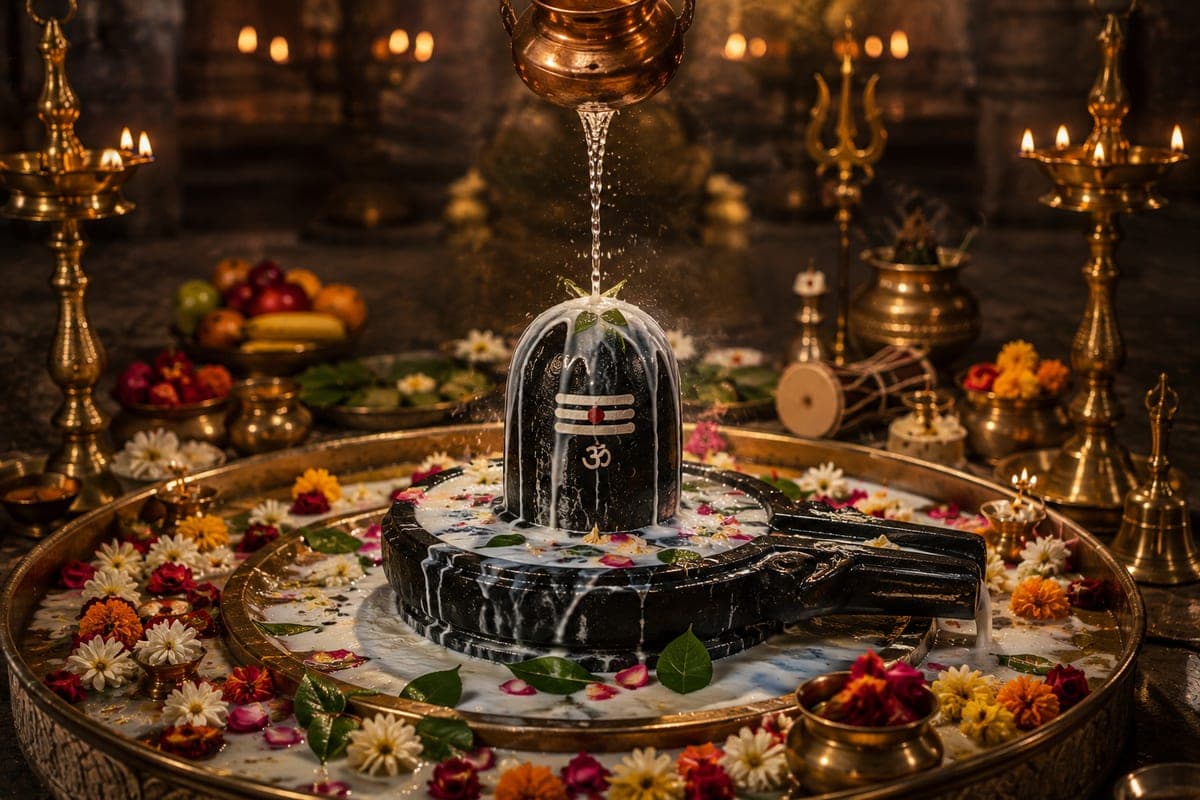
Hindu tradition places significant emphasis on bhav, the inner emotional and devotional state accompanying worship, considered just as important as correctly performing external ritual. Many pilgrims describe a powerful sense of bhav during darshan, particularly at temples holding deep personal significance.
What Does Bhav Mean?
Bhav refers to an inner emotional or devotional state, mood, or feeling accompanying an act of worship, considered by many traditions to be at least as important as the outward correctness of ritual performance. Teachers at ashrams and ancient texts alike continue to explore Bhav, reflecting its lasting relevance in Hindu spiritual thought.
Bhav and Meaningful Worship
Many spiritual teachers emphasise that ritual performed without genuine bhav lacks true spiritual value, encouraging devotees to cultivate sincere emotional engagement rather than merely following prescribed steps mechanically. Pilgrims interested in Bhav often deepen their understanding gradually through ashram visits or discussion with a guru during their Yatra.
Experiencing Bhav During a Yatra
Pilgrims often describe reaching a temple after a long or difficult journey as producing a particularly strong sense of bhav during darshan, with the physical effort of the Yatra itself sometimes deepening this emotional and devotional experience. Interpretations of Bhav can differ somewhat between spiritual traditions, though its broad significance is recognised across most schools of Hindu thought.