Among the recognised paths to spiritual realisation, Bhakti Yoga, or Bhakti Marg, the path of devotion, has arguably shaped Hindu pilgrimage culture more than any other. Understanding this foundational approach helps pilgrims appreciate why emotional, devotional worship remains so central to their Yatra experience.
What Is Bhakti Yoga?
Bhakti Yoga, also called Bhakti Marg, refers to the spiritual path emphasising loving devotion and surrender toward a chosen deity, considered one of the primary routes to spiritual realisation within Hindu philosophy. Pilgrims interested in Bhakti Yoga often deepen their understanding gradually through ashram visits or discussion with a guru during their Yatra.
Bhakti Yoga's Influence on Temple Worship
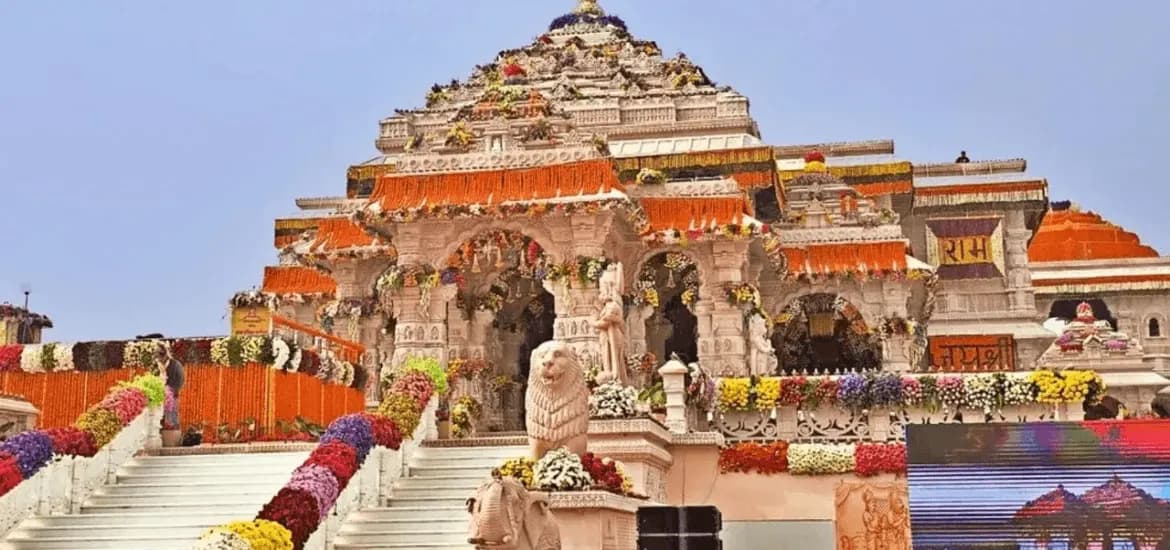
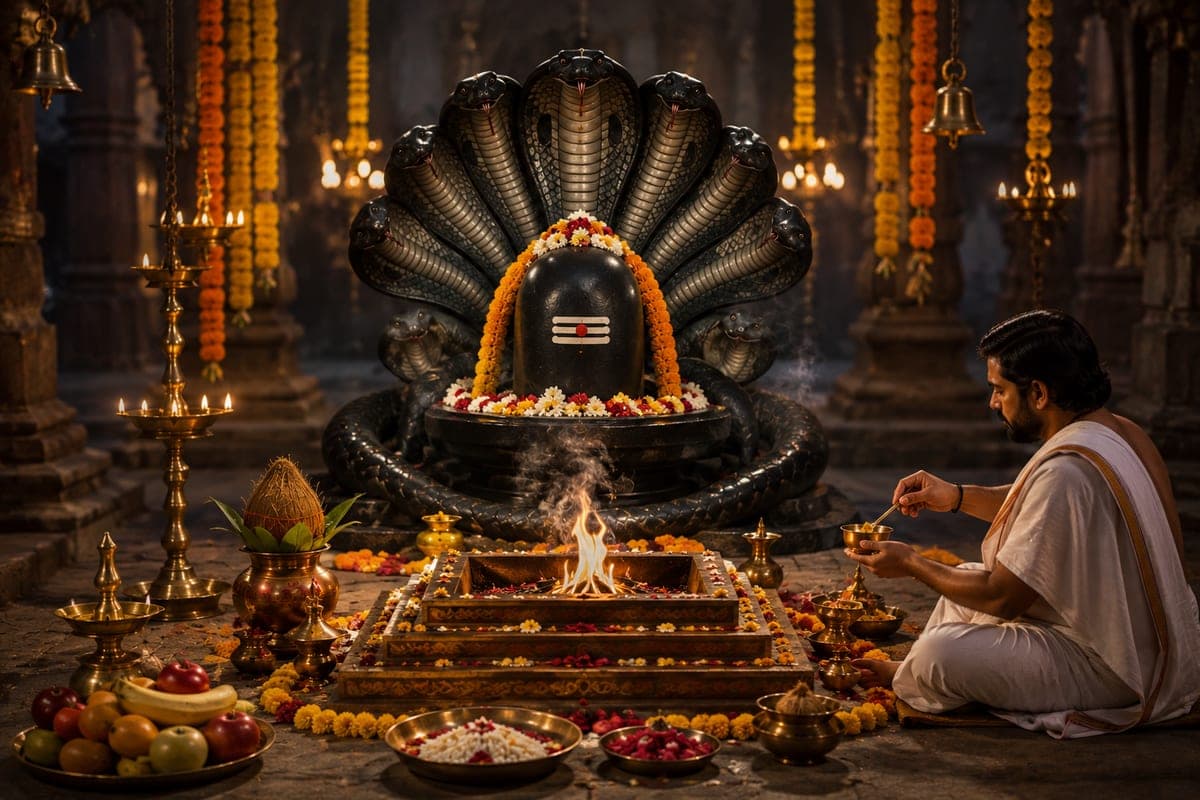
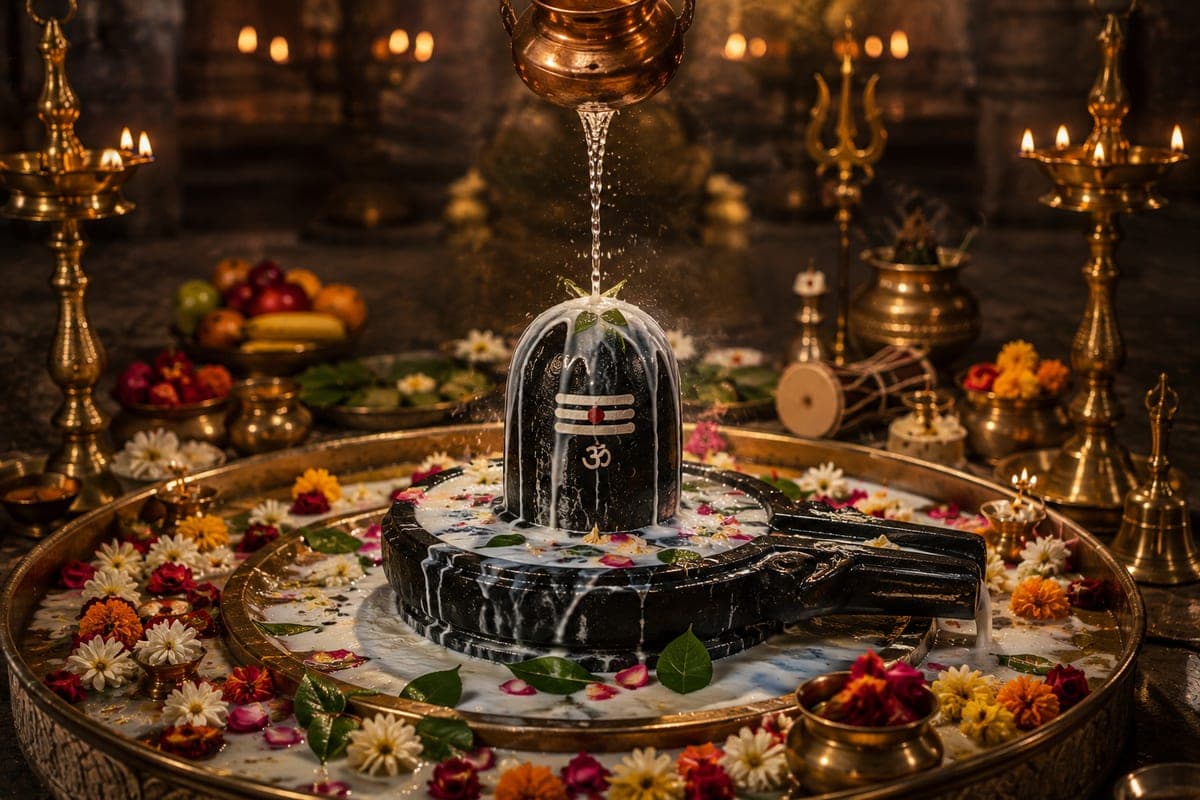
Much of the ritual activity encountered during a temple visit, including kirtan, bhajan, and aarti, reflects the emotional, expressive worship style central to Bhakti Yoga, distinguishing it from more austere or philosophical approaches. Interpretations of Bhakti Yoga can differ somewhat between spiritual traditions, though its broad significance is recognised across most schools of Hindu thought.
Bhakti Yoga and Pilgrimage Culture
Historical bhakti movements across different regions of India significantly shaped pilgrimage practices still followed today, encouraging accessible, emotionally engaged devotion that welcomes participation from all devotees regardless of background. Teachers at ashrams and ancient texts alike continue to explore Bhakti Yoga, reflecting its lasting relevance in Hindu spiritual thought.