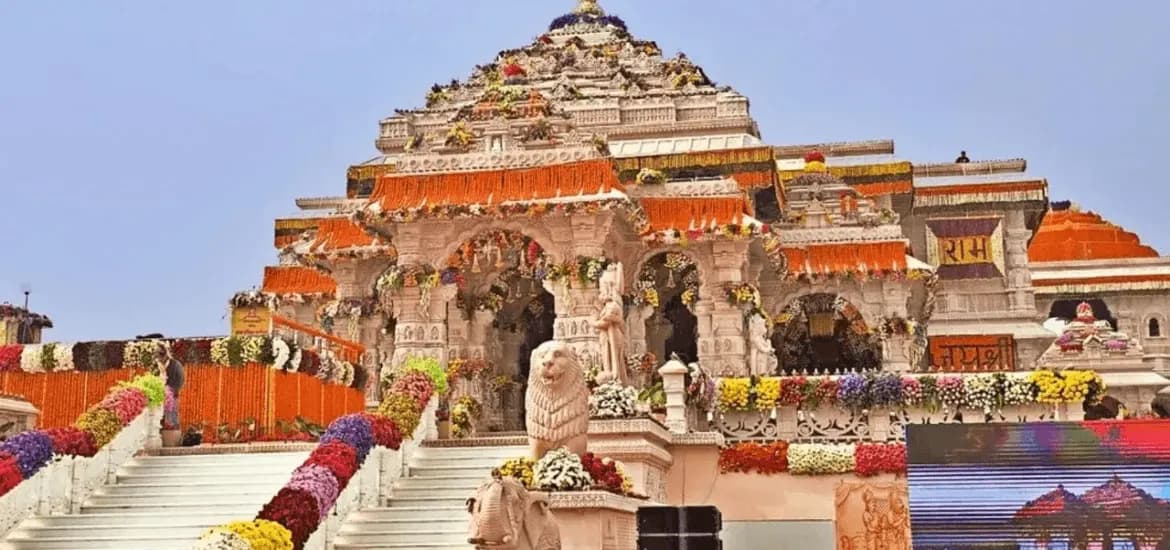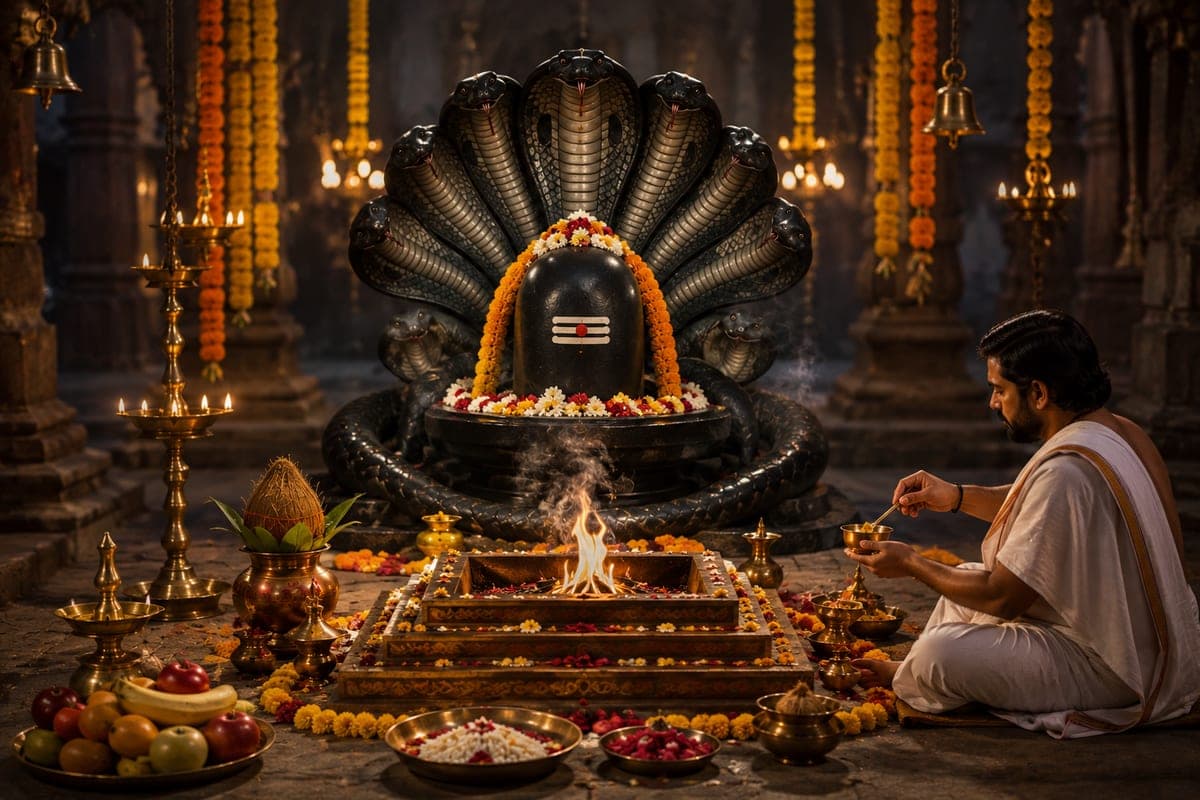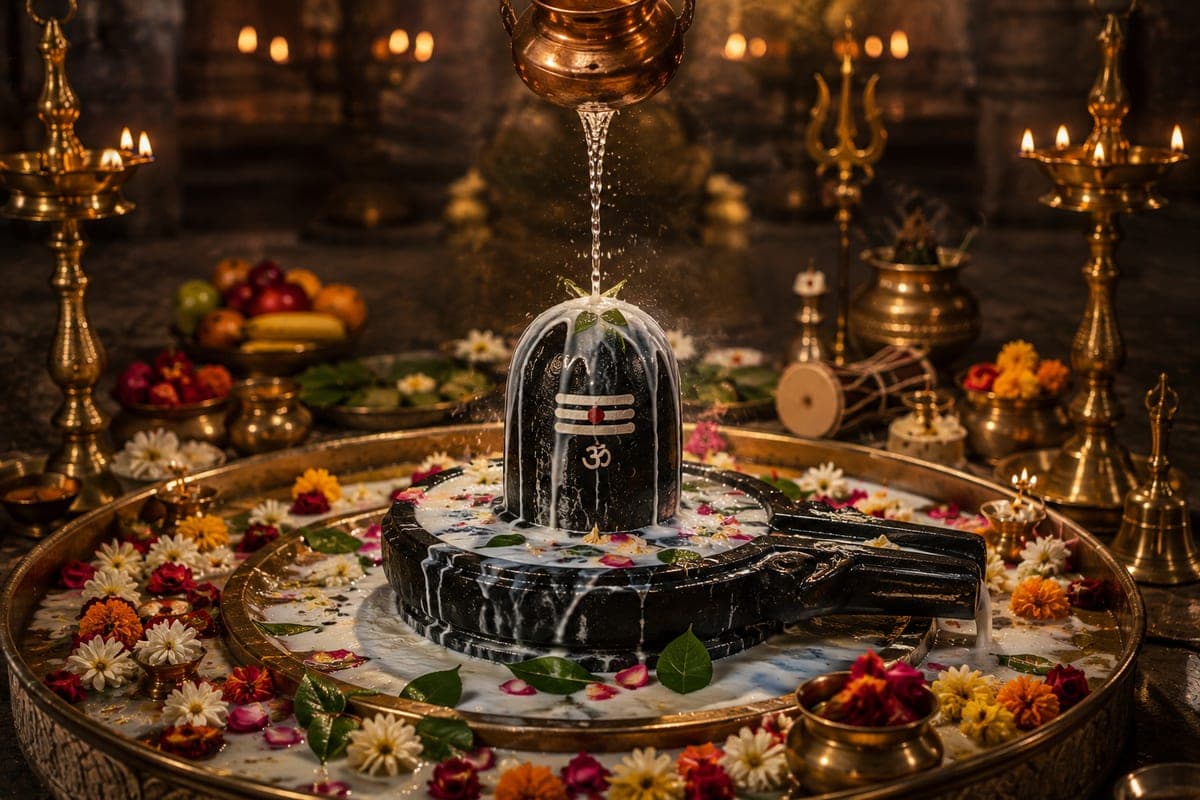
At the heart of most temple worship encountered during a Yatra lies the spirit of bhakti, a path of loving devotion toward a chosen deity. This approach to spirituality, expressed through practices like singing, prayer, and ritual, shapes much of what pilgrims experience at temples across India, making it a foundational concept for understanding Hindu pilgrimage culture as a whole, from the smallest village shrine to the grandest temple complex.
What Is Bhakti?
Bhakti refers to a path of spiritual practice centred on loving devotion toward a personal deity, considered one of several recognised approaches to spiritual realisation within Hindu philosophy, alongside paths of knowledge and action. This devotional approach emphasises emotional connection and surrender to the divine rather than purely intellectual or ritualistic engagement, making it accessible to devotees regardless of their level of formal religious education. Books and recorded discourses on Bhakti are widely available at ashrams and pilgrimage towns, offering interested travellers a way to continue learning after their Yatra has ended.
Bhakti and Temple Worship
Much of the ritual activity pilgrims witness or participate in during temple visits, including aarti, kirtan, and bhajan singing, is rooted in the bhakti tradition, reflecting its emphasis on expressive, emotional devotion. Historical bhakti movements across different regions of India also gave rise to many of the devotional songs and practices still followed today, with saint-poets from centuries past continuing to shape modern temple worship. Teachers and guides at ashrams often encourage newcomers to approach Bhakti gradually, rather than expecting immediate results, treating it as a long-term practice rather than a single pilgrimage event.
Bhakti's Influence on Pilgrimage Culture
The bhakti tradition has significantly shaped Indian pilgrimage culture, encouraging accessible, emotionally engaged worship practices that welcome participation from all devotees regardless of formal religious training. Pilgrimage sites associated with important bhakti saints and movements, such as Vrindavan for Krishna devotion, remain especially significant destinations for devotees following this particular spiritual path, drawing pilgrims specifically interested in this devotional approach to worship. Spiritual travellers frequently describe their understanding of Bhakti deepening significantly after spending extended time at an ashram or retreat, compared to briefer exposure during a standard temple visit.