Walking through any Indian pilgrimage town, visitors will constantly hear the words Bhagwan and Prabhu used interchangeably to refer to God or a specific deity. These simple yet deeply respectful terms form the everyday vocabulary of devotion, appearing in prayers, temple announcements, and casual conversation among pilgrims throughout their Yatra, regardless of which specific deity's temple they happen to be visiting at the time.
What Do Bhagwan and Prabhu Mean?
Bhagwan translates to 'God' and is commonly used as a general term of reverence for the divine, while Prabhu translates to 'Lord' or 'Master', often used similarly to address a deity directly. Both terms are used across regions and languages influenced by Hindi and Sanskrit, appearing frequently in prayers, hymns, and everyday religious speech across most of North and Central India in particular. Many devotees first encounter Bhagwan through family elders or school textbooks long before fully appreciating its deeper significance during an actual pilgrimage visit.
Usage in Temple and Pilgrimage Context
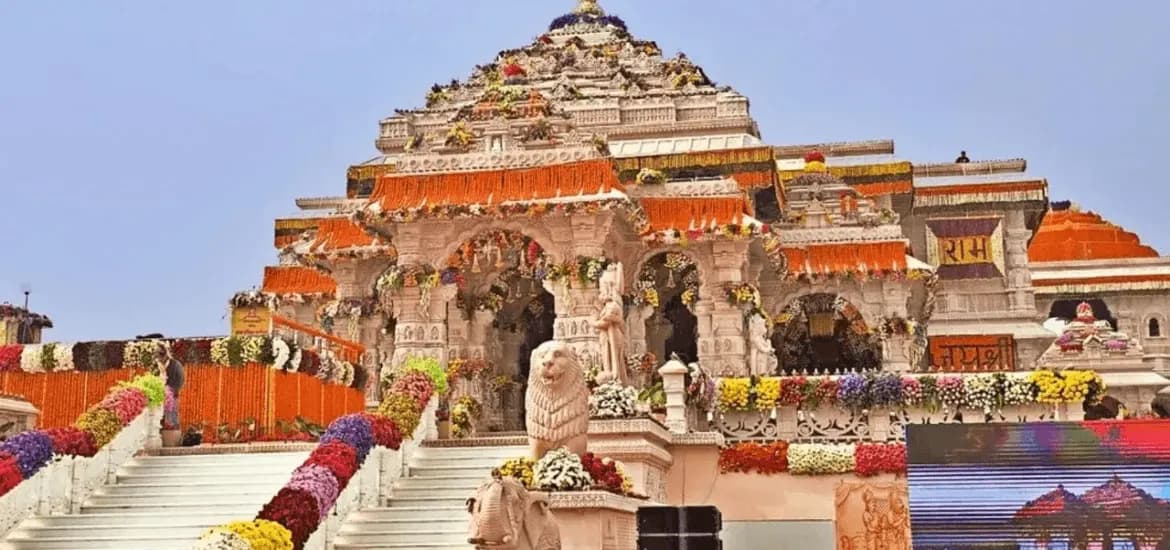
Pilgrims commonly use Bhagwan or Prabhu when referring to the specific deity of a temple they are visiting, such as saying they are going for the darshan of Bhagwan or praying to Prabhu for blessings during their Yatra. These terms are used respectfully regardless of which specific deity is being addressed, reflecting their general nature as titles of reverence rather than names tied to one particular god. Scholars and religious teachers continue to write and lecture extensively on Bhagwan, reflecting its lasting relevance within contemporary Hindu religious life and study.
Why These Terms Matter for Pilgrims
Understanding common address terms like Bhagwan and Prabhu can help visitors, especially those less familiar with Hindi, follow conversations, prayers, and temple announcements more easily during their pilgrimage. These words often appear in devotional songs and mantras encountered throughout a Yatra, making basic familiarity useful for a more engaged and comfortable pilgrimage experience overall. Regional interpretations of Bhagwan can vary somewhat across India, though the core religious significance generally remains recognisable across different linguistic and cultural communities.