The concept of avatara, a divine incarnation, particularly associated with Vishnu, underlies much of India's most significant pilgrimage geography. Understanding this term helps pilgrims connect destinations linked to figures like Rama and Krishna to a broader, unified theological framework.
What Does Avatara Mean?
Avatara refers to a divine incarnation, describing the belief that a deity, most notably Vishnu, takes physical form on earth during times of significant need to restore balance and righteousness. Devotees often seek guidance connected to Avatara at specific points during their Yatra, particularly before major rituals or life decisions.
The Dashavatara and Vishnu
Vishnu is traditionally described as having ten major avataras, known as the Dashavatara, including Rama and Krishna, each associated with distinct legends, teachings, and pilgrimage sites connected to their earthly life. Pilgrims unfamiliar with the specific role of Avatara are generally welcome to ask temple staff for a brief, respectful explanation.
Avatara and Pilgrimage Destinations
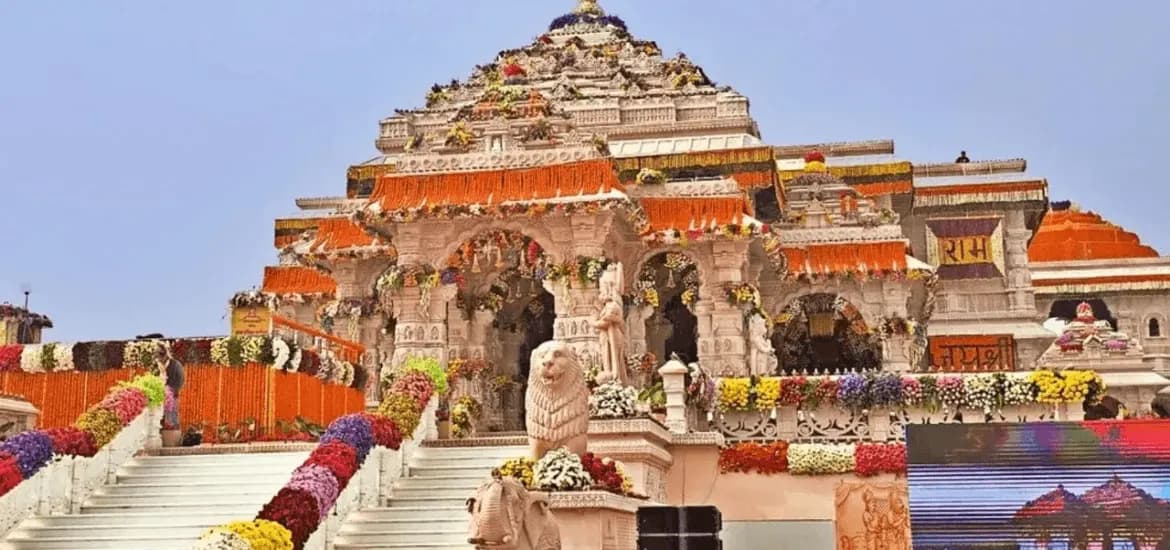
Many of India's most significant pilgrimage sites, including Ayodhya and Vrindavan, are directly connected to the specific avataras of Rama and Krishna, giving pilgrims visiting these locations a direct connection to particular episodes within this broader theological narrative. Many temples maintain their own local tradition regarding Avatara, shaped by regional custom as much as broader scriptural reference.