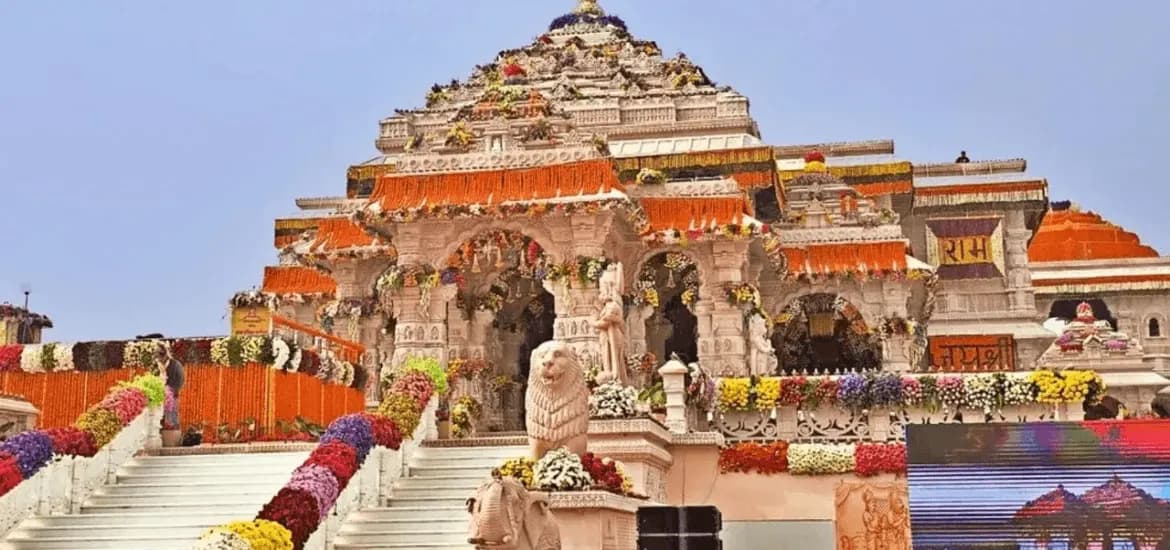
Many of India's oldest and most architecturally significant temples fall under the care of the Archaeological Survey of India, commonly known as ASI. While pilgrims usually visit these temples for darshan and worship, ASI's role in preserving the structure shapes what visitors can and cannot do on site. Knowing what ASI protection means helps pilgrims understand rules around photography, restoration barricades, or restricted areas at certain historic temples, particularly those that combine active worship with recognised national heritage status.
What Is the Archaeological Survey of India?
The Archaeological Survey of India is the central government agency responsible for the research, conservation, and protection of historic monuments and archaeological sites across the country. This includes many ancient temples that hold both religious and historical importance, some dating back well over a thousand years. When a temple is declared an ASI-protected monument, its structure and surroundings are legally safeguarded from unauthorised alteration or damage, and any renovation work typically requires formal approval from the agency before proceeding. The organisation also conducts ongoing archaeological research at many of these sites, occasionally uncovering additional historical details about a temple's origins that add further context for pilgrims interested in the deeper history behind their Yatra destination. Photography enthusiasts and architecture students sometimes visit sites connected to ASI specifically to study design elements that have influenced temple construction across different regions of India.
Why Some Pilgrimage Temples Are ASI-Protected
Several temples central to Indian pilgrimage circuits, particularly ancient stone temples built centuries ago, are protected due to their historical and architectural value. This status helps preserve intricate carvings, inscriptions, and structural elements that might otherwise deteriorate due to weather, pollution, or heavy footfall from pilgrim traffic. For pilgrims, this means the temple is maintained not just as an active place of worship but also as a heritage site of national importance, sometimes requiring a careful balance between religious activity and conservation needs. This dual status can occasionally lead to visible conservation work, such as scaffolding around a section of the structure, which pilgrims may notice during their visit but which reflects long-term efforts to keep the monument standing for centuries to come. Temple committees overseeing ASI often publish periodic updates about renovation work or special events, which pilgrims planning a visit may find useful to check in advance.
How ASI Status Affects Pilgrim Visits
ASI-protected temples may have specific rules such as restrictions on flash photography, limits on touching certain carvings, or designated pathways to prevent structural wear over time. In some cases, active worship continues exactly as before, while in others, only limited ritual activity is permitted to preserve the monument's original condition. Pilgrims should look out for signage or trust notices explaining any additional rules at ASI sites, and being mindful of these restrictions helps ensure such historic temples remain accessible for future generations of devotees and visitors alike. Local historians and temple guides can often provide additional context on ASI that goes beyond what is available in standard tourist literature, enriching a pilgrim's overall visit.
Visiting an ASI-Protected Temple Respectfully
Pilgrims visiting ASI-protected temples are generally encouraged to treat the structure with additional care, avoiding actions such as climbing on carved surfaces, writing or scratching on stone walls, or removing small pieces of the structure as souvenirs, all of which can cause lasting damage. Some sites also employ ASI-appointed staff or guards separate from temple personnel, whose role is specifically to protect the monument rather than manage religious rituals. Understanding this dual oversight, religious administration alongside heritage protection, helps pilgrims appreciate why certain areas of an otherwise active temple may occasionally be roped off for conservation work, and why patience with such restrictions ultimately benefits the long-term preservation of these historically significant pilgrimage sites for future generations.