A collection of eight auspicious symbols, known as Ashtamangala, holds particular significance in South Indian, especially Kerala, religious tradition. Understanding this concept helps pilgrims appreciate both its symbolic meaning and its connection to a specific temple consultation practice.
What Is Ashtamangala?
Ashtamangala refers to a set of eight auspicious symbols or objects, varying somewhat by tradition, considered to bring good fortune and often depicted in temple art, decorations, and specific ceremonial contexts. Interpretations of Ashtamangala can differ somewhat between spiritual traditions, though its broad significance is recognised across most schools of Hindu thought.
Ashtamangala Devaprasnam
In Kerala temple tradition, Ashtamangala Devaprasnam refers to a specific astrological consultation process used to diagnose issues affecting a temple, such as declining prosperity or ritual irregularities, guiding subsequent corrective rituals. Pilgrims interested in Ashtamangala often deepen their understanding gradually through ashram visits or discussion with a guru during their Yatra.
Ashtamangala in Temple Art and Tradition
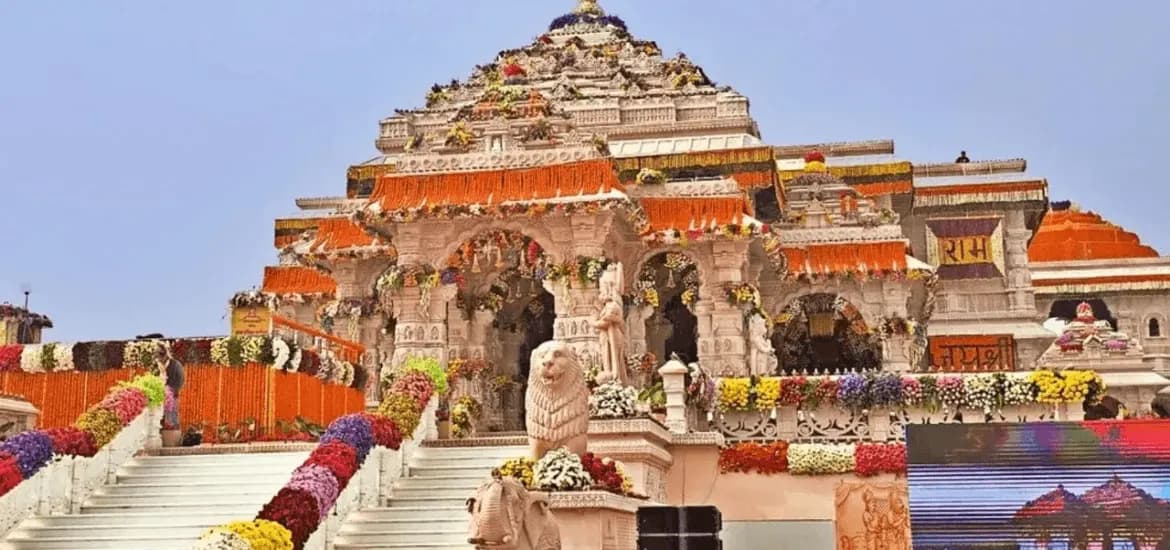
Pilgrims visiting South Indian temples, particularly in Kerala, may notice Ashtamangala symbols incorporated into temple decoration or hear references to this concept in the context of temple maintenance and ritual planning. Teachers at ashrams and ancient texts alike continue to explore Ashtamangala, reflecting its lasting relevance in Hindu spiritual thought.