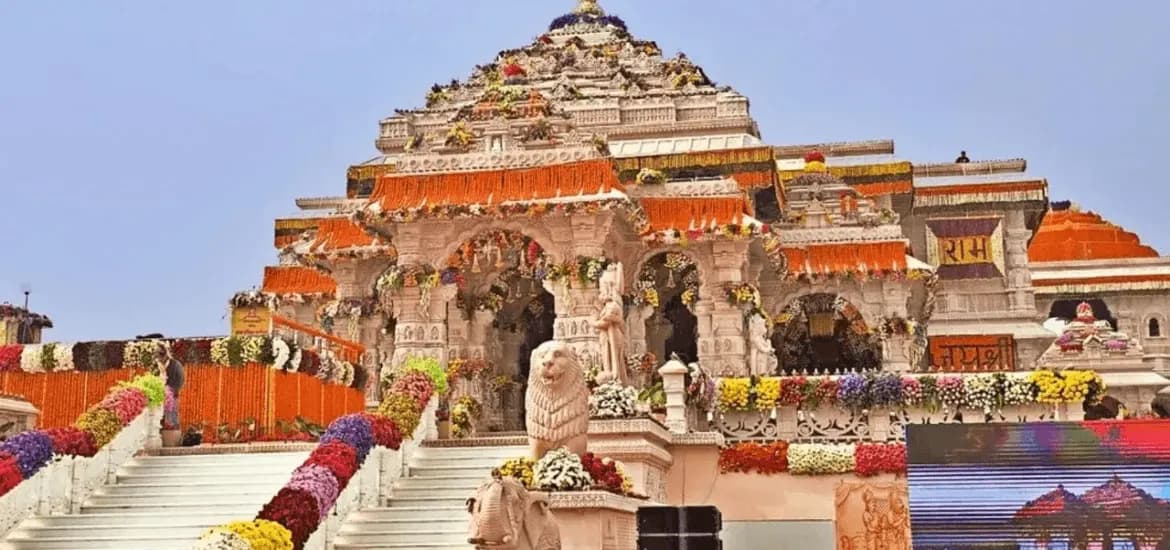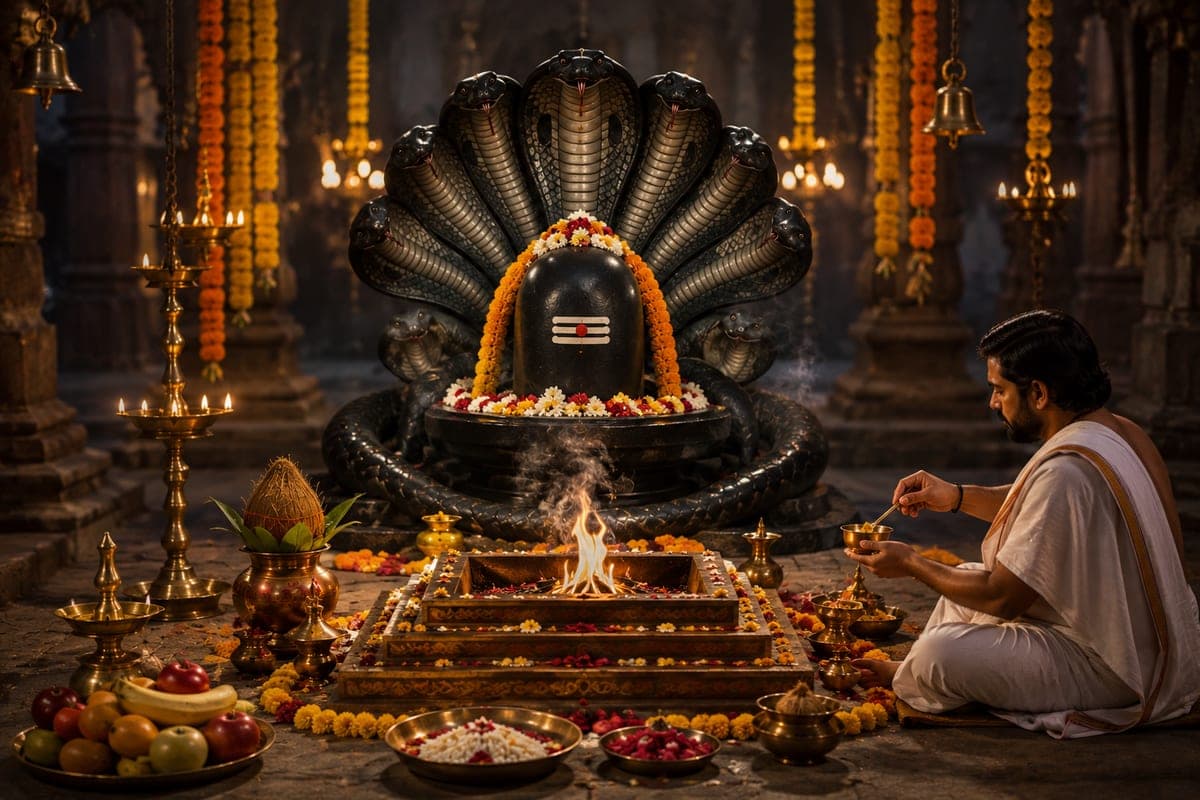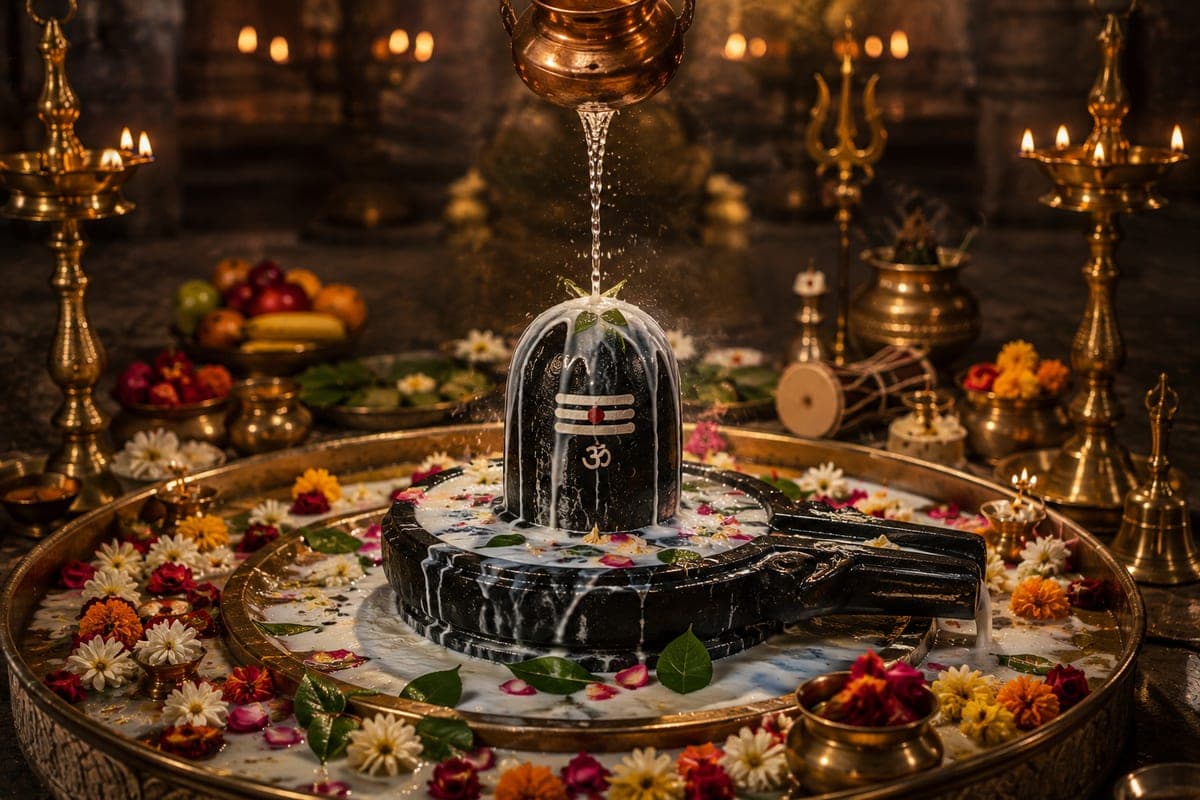
Seeking ashirvad, a blessing, is one of the most common motivations behind a temple visit, whether from the deity itself, a priest, or a respected guru encountered along the way. Understanding this concept helps frame the deeply personal hopes many pilgrims carry into their Yatra.
What Does Ashirvad Mean?
Ashirvad refers to a blessing, expressing goodwill, protection, or spiritual favour, given by a deity, priest, guru, or elder to a devotee, often accompanied by a specific gesture such as touching the head or applying tilak. Priests performing Ashirvad are generally willing to briefly explain the ritual to curious pilgrims, particularly at quieter, less crowded temples.
Seeking Ashirvad During Darshan
Many pilgrims describe their primary motivation for visiting a temple as seeking the deity's ashirvad, treating this blessing as the central spiritual purpose behind the entire journey and effort involved in their Yatra. Many pilgrims specifically arrange Ashirvad during their Yatra to mark a personal intention, vow, or family occasion.
Ashirvad From Elders and Gurus
Beyond temple deities, seeking ashirvad from elders, gurus, or respected spiritual figures encountered during a Yatra is also considered significant, reflecting a broader cultural value placed on receiving blessings from those considered spiritually or socially senior. The exact steps involved in Ashirvad can vary somewhat between temples, though the underlying devotional purpose remains broadly consistent across India.