Cupping water in both hands and offering it, a gesture known as arghya, forms a simple yet significant part of both daily worship and specific temple rituals. Understanding this practice helps pilgrims recognise a gesture performed frequently during their Yatra, from morning prayers to riverside rituals.
What Is Arghya?
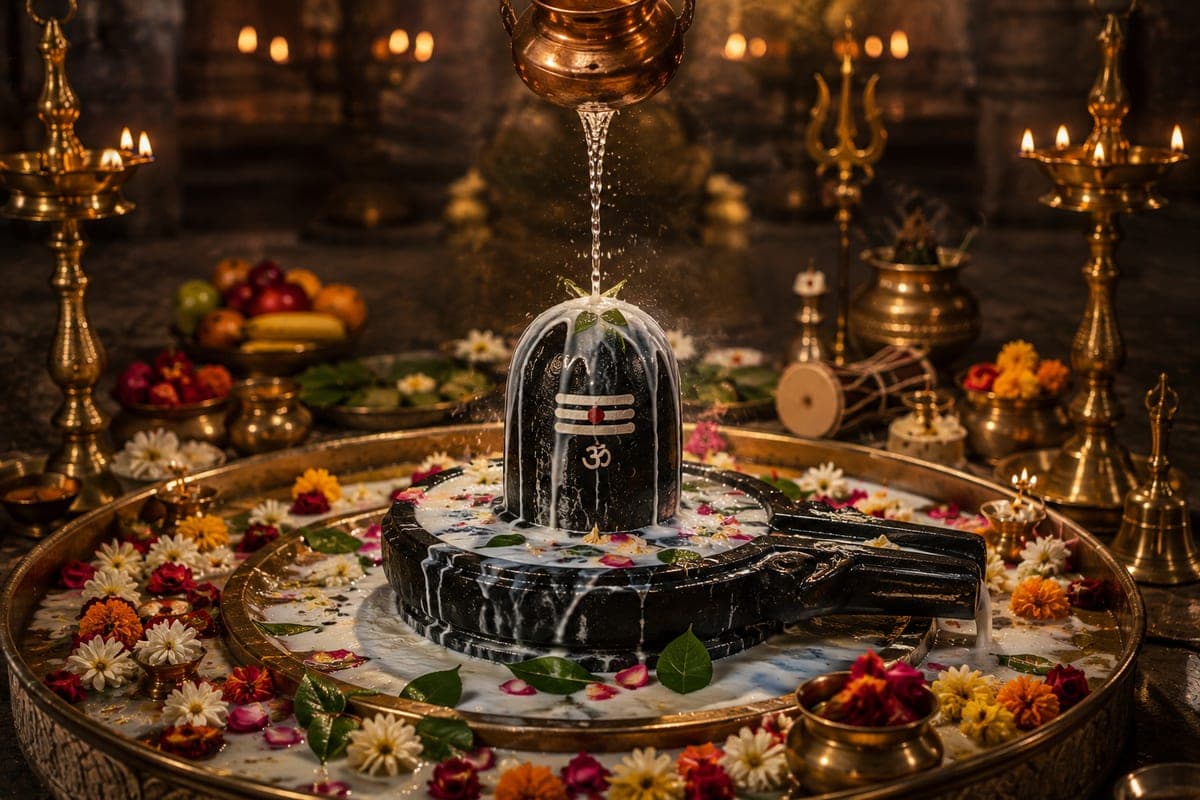
Arghya refers to a ritual offering of water, typically cupped in both hands and poured out toward the sun, a deity, or a respected guest, as an expression of respect, devotion, or hospitality. Many pilgrims specifically arrange Arghya during their Yatra to mark a personal intention, vow, or family occasion.
Arghya in Daily Worship
Many devotees offer arghya to the rising sun as part of their morning prayers, a practice closely connected to broader Vedic traditions of sun worship performed at the start of each day. The exact steps involved in Arghya can vary somewhat between temples, though the underlying devotional purpose remains broadly consistent across India.
Arghya During Temple and River Rituals
Pilgrims performing rituals at a sacred river or temple tank often include arghya as part of the broader sequence of worship, offering water as a gesture of respect before proceeding with further prayers or ceremonies during their Yatra. Priests performing Arghya are generally willing to briefly explain the ritual to curious pilgrims, particularly at quieter, less crowded temples.